 Main menu

Legal
Tribal Casinos Subject to US Labor Law, Rules Federal Court
Posted on: April 28, 2018, 10:30h.
Last updated on: April 27, 2018, 04:45h.


Tribal operators cannot disrupt unionizing on casino properties, said a federal court Thursday, the culmination of a case that pitted the scope of tribal sovereignty head-on against the federal National Labor Relations Act (NLRA).
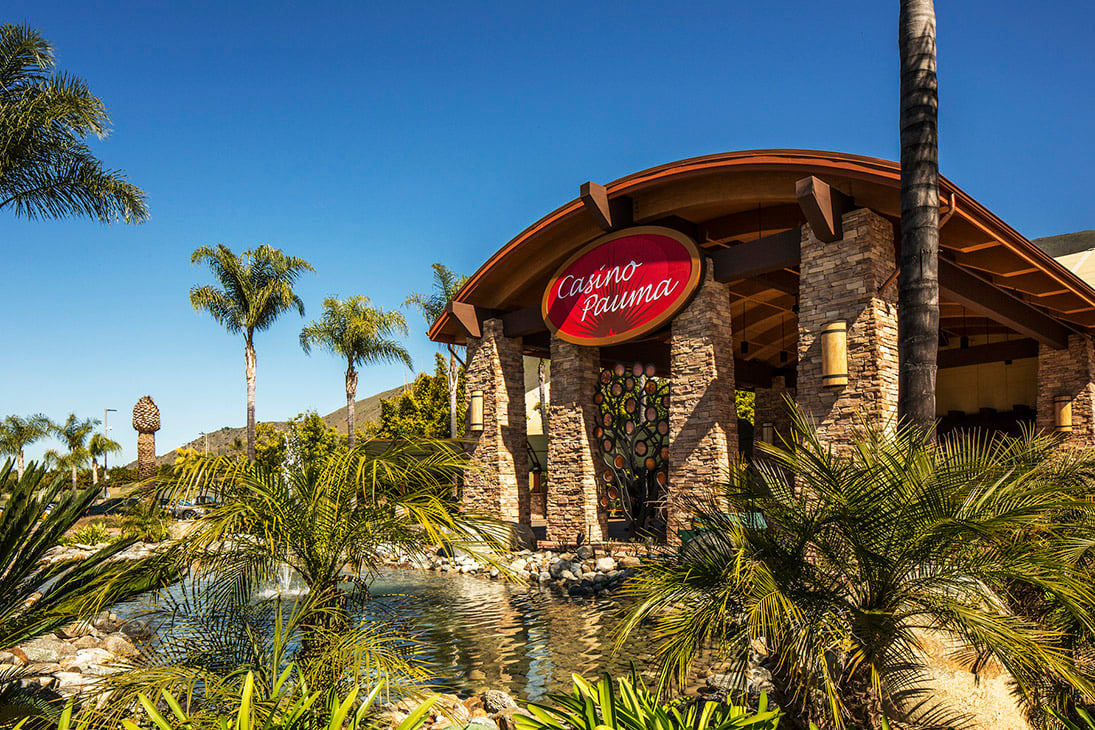
The US Court of Appeals for the Ninth Circuit ruled the National Labor Relations Board (NLRB) had acted correctly when it censured the Pauma Band of Mission Indians, of San Diego County, for disciplining employees for engaging in union activity.
NLRB said the tribal casino used unfair labor practices when it put a stop to union organizing in front of the casino and banned workers from wearing small buttons in support of Unite Here.
UniteHere, which represents food and service hotel workers, began organizing workers at Casino Pauma in 2013 after they complained they hadn’t received salary increases in several years. The casino employs about 462 people, only five of whom are tribal members.
Reinterpretation was a ‘Seismic Shift’
The Pauma Band had argued that the NLRB was wrong when it reinterpreted the meaning of the NLRA in 2004. The Act was established in 1935 to prevent private industry from blocking unionization and strikes. As public bodies, federal and state governments are exempt, and until 2004, that included tribal governments too.
From 2004, NLRB began look at tribes as private “employers” rather than public bodies. The Pauma Band argued that this represented a “seismic shift” in how the board operates under federal law.
The tribe was backed by four federally recognized tribes from Montana and Washington who filed an amicius brief, asserting, “as government employers, [we] have a powerful interest in maintaining authority to govern [our] own communities and those who work for [our] governments.”
While the Ninth Circuit acknowledged that the NLRA is “ambiguous as its application to tribal employers,” it considered the board’s interpretation to be “reasonable defensible.”
Tribal Labor Sovereignty Act Hits the Skids
UniteHere International Union said it welcomed the decision: “The NLRA provides essential workplace protections that would leave tribal gaming enterprises critically vulnerable if the tribal-owned enterprise lobby had succeeded in stripping them away,” said the union in an official statement.
“Unite Here is thrilled that the courts have upheld the rights of all American workers and will continue organizing and winning for all hospitality workers, no matter who their employer is,” it added.
Just days before the court ruling, a federal bill that would have exempted tribal sovereign territories from the NLRA – thus shrinking the power of the NLRB and blocking unions from organizing – was defeated in the Senate.
The failure of the Tribal Labor Sovereignty Act highlights the delicate political balance between respecting tribal sovereign rights and safeguarding employee protections in the workplace.

 Most Read
Another Shooting Near Las Vegas Strip Casino Injures Man
 972,746 views

Vintners Oppose Napa Valley Casino
556,350 views


Conversation (0)
Be the first to comment on this article.