 Main menu


Prediction Markets
Brennan Center Study Finds Prediction Markets Sway Voters
Posted on: October 20, 2026, 05:34h.
Last updated on: October 21, 2026, 04:30h.


Key Points
- A market-favored candidate gains a 10-to-20 percentage point boost in perceived victory, regardless of polling
- Low market odds (16%–33%) reduce perceived candidate viability by 11 to 19 points—outweighing candidate background or demographics
- Over 80% favor stricter rules or bans on political event contracts, with 39% supporting targeted halts or full prohibitions


With Election Day two weeks away, voters are being inundated with polling information and prediction market data is increasingly part of that landscape, but voters don’t like that.
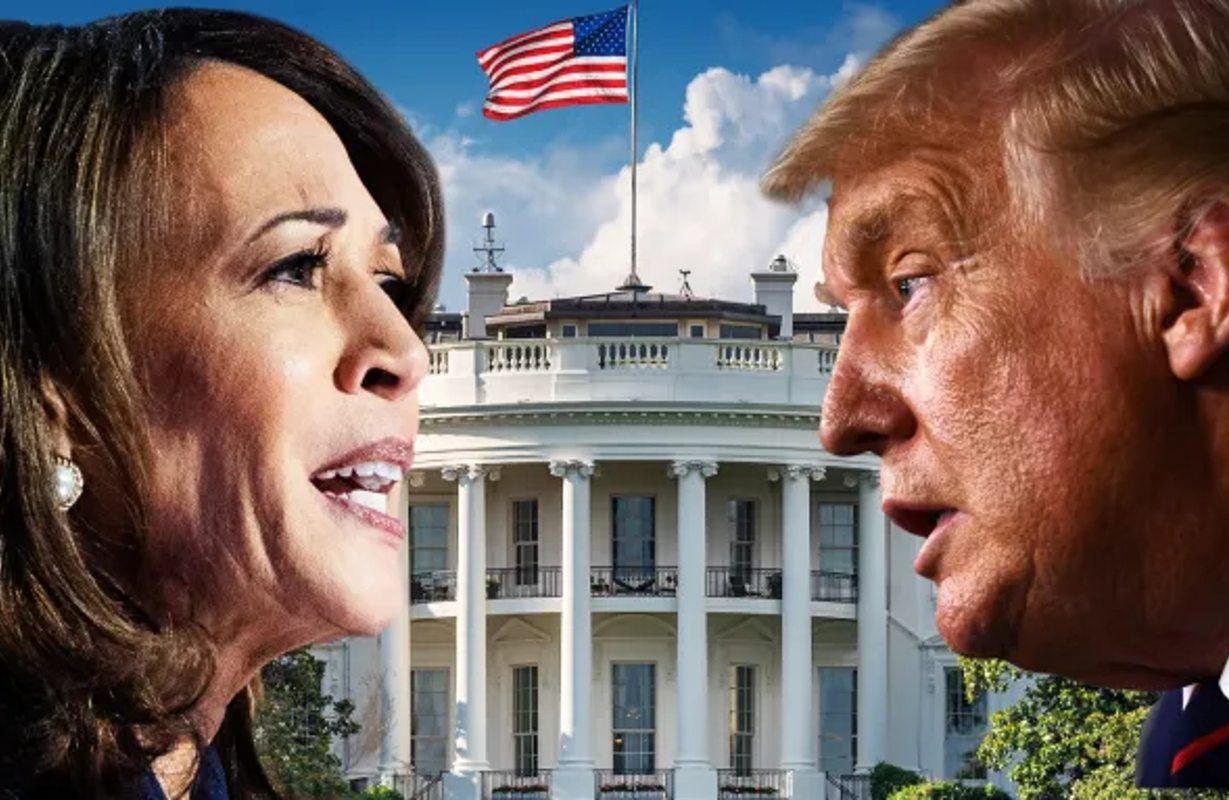
A new study by the Brennan Center for Justice indicates that prediction market data shapes voters’ views in a fashion comparable to traditional polling.
The study also found that more than 80% of respondents favor tighter regulations on political event contracts or support banning them outright. Part of the issue, researchers noted, is that many voters fail to distinguish between the methodology behind a standard poll and active prediction market trading.
Election prediction market odds are often shown alongside, or even in place of, traditional polling numbers, but they are produced very differently,” notes the Brennan Center. “A poll number comes from asking a sample of American voters, intended to represent the electorate, who they intend to vote for. Prediction market odds, on the other hand, are based on the prices at which bettors buy and sell contracts on a particular outcome.”
Concerns over prediction markets skewing voter perception come as exchanges forge high-profile partnerships with legacy media organizations across digital, print, and television formats.
How Odds Shift Voter Perception
Skepticism surrounding the accuracy of political prediction markets remains high. The Brennan Center report revealed that only 20% of respondents view these markets as accurate, while just one-third believe election-based event contracts reflect broader public sentiment. Nevertheless, the trading data exerts notable influence over voter expectations.
“If a candidate was favored by prediction markets, voters were between 10 and 20 percentage points more likely to believe that the candidate would win, regardless of what the polls said,” according to the study.
That metric underscores growing concerns that wagering odds—much like narrative-driven polling—can be weaponized to shape public sentiment or suppress turnout by framing races as foregone conclusions.
However, there are instances of predictions getting it right with major elections, including the 2024 presidential election. Likewise, major all-or-nothing exchanges showed Assemblyman Zohran Mamdani cruising to victory in advance of Election Day in the 2025 New York City mayoral election.
Power of Dissuasion
While polls and prediction market odds may compel some voters to get involved, those data points can also have the opposite effect, thus acting as voter suppression avenues.
“Prediction market odds can also dissuade voters from believing in a candidate’s electability. Voters were 11 percentage points less likely to say a candidate with 33 percent odds (on a leading prediction market) would win and 19 percentage points less likely to say a candidate with 16 percent odds would win,” according to the Brennan Center.
“Prediction market odds had a similar effect on perceived electability as traditional polls, and a stronger effect than any of the candidates’ background traits, including demographics, occupation, or previous experience.”
Overall, 23% of survey respondents urged regulators to halt specific political market contracts, while 16% called for a complete prohibition of the industry.


 Most Read

Another Shooting Near Las Vegas Strip Casino Injures Man
 973,073 views

Vintners Oppose Napa Valley Casino
556,664 views


Conversation (0)
Be the first to comment on this article.