 Main menu


Prediction Markets
Could Polymarket Cause a Bank Run? Failure Bets Raise Systemic Risk Concerns
Posted on: October 5, 2026, 02:26h.
Last updated on: October 6, 2026, 04:22h.


Key Points
- More than $77,000 has been traded on Polymarket contracts asking whether major global banks will fail before the end of 2026
- UK lawmaker Bobby Dean warned rapidly moving prediction markets could amplify rumors, undermine confidence, and potentially contribute to bank runs
- The FCA says financial prediction markets can amount to banned binary options, while the Bank of England is monitoring developments


Prediction market Polymarket is allowing users to bet on whether some of the world’s biggest banks will collapse this year, sparking warnings that such activity could potentially help fuel the financial panic it predicts.
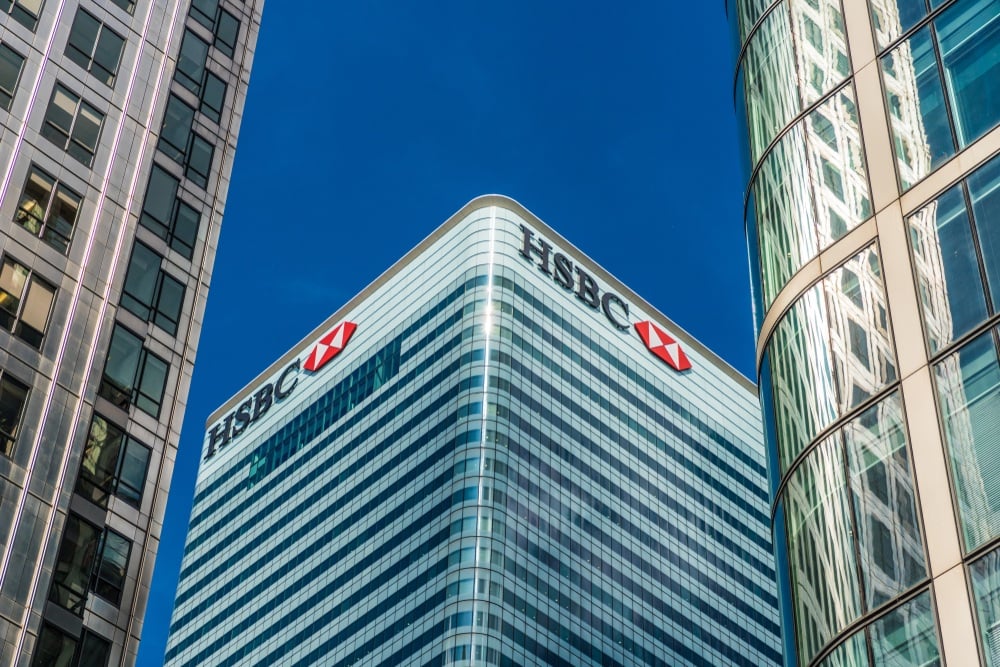
More than $77,000 has been traded on a Polymarket contract asking which major banks will fail before the end of 2026, according to The Guardian.
The list of listed institutions includes British banking giants HSBC and Lloyds, alongside JPMorgan Chase, BNP Paribas, Bank of America, Goldman Sachs, and others.
While the amounts traded remain small by financial market standards, Liberal Democrat lawmaker Bobby Dean, a member of the UK Parliament’s Treasury Committee, has warned regulators not to dismiss potential collateral consequences.
He is concerned that a rapidly moving prediction market could amplify existing rumors or fears about an institution, potentially prompting anxious depositors to pull their funds.
That dynamic matters because banks are uniquely vulnerable to crises of confidence: Even a solvent institution can come under severe liquidity pressure if enough customers suddenly demand their deposits back simultaneously.
Could Betting Help Cause the Outcome?
Bank regulators have grown increasingly alert to the speed at which panic spreads online following the 2023 collapse of Silicon Valley Bank, where social media accelerated withdrawals as customers rapidly shared concerns about the bank’s balance sheet.
Dean told The Guardian that regulators should raise the issue with their U.S. counterparts, warning that a sharp swing in a bank-failure market could potentially contribute to a run.
There is no suggestion that HSBC or Lloyds is in imminent danger of collapse, and implied probabilities for such an event have remained in the low single digits on Polymarket.
Polymarket itself argues that its platforms simply make information already available to institutional investors more accessible to the general public. Banks and hedge funds, for example, have long traded credit default swaps—derivatives used to hedge or speculate on a borrower’s creditworthiness.
Regulators Watching Prediction Markets
The UK Financial Conduct Authority (FCA) has noted that financial prediction-market products it has examined function similarly to binary options. The sale of binary options to British retail consumers has been banned since 2019 due to their speculative nature and high risk of consumer harm.
Polymarket’s offshore platform officially prohibits residents of the UK, United States, European Union, Canada, and select other jurisdictions from trading, though critics note geographic restrictions can often be circumvented using virtual private networks (VPNs).
The FCA stated it is actively discussing prediction markets with overseas regulators to protect market integrity, while the Bank of England is also monitoring developments, according to The Guardian.

 Most Read

Another Shooting Near Las Vegas Strip Casino Injures Man
 972,788 views

Vintners Oppose Napa Valley Casino
556,391 views


Conversation (0)
Be the first to comment on this article.