 Main menu

Canadian Gaming
Ontario Drugs Gang Washed $3M Through Local Casinos, Say Mounties
Posted on: July 6, 2022, 06:59h.
Last updated on: July 6, 2022, 10:07h.


Canadian federal police said Tuesday they had busted a drug trafficking and money laundering scheme that allegedly washed at least $3 million through casinos in the Greater Toronto Area (GTA).
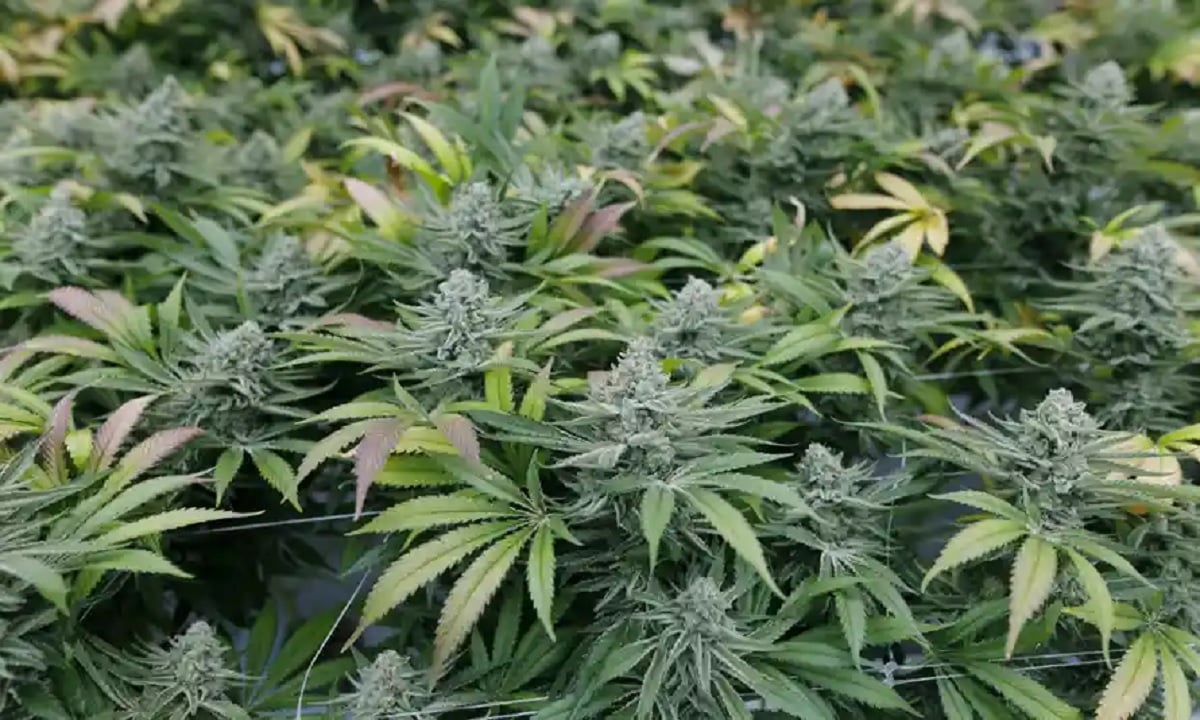
The Royal Canadian Mounted Police (RCMP) announced they had charged five people with a combined 29 offenses related to the “sophisticated” operation. Charges include possession for the purpose of selling, cultivation of marijuana, conspiracy to produce cannabis, and laundering the proceeds of crime.
RCMP launched its investigation in 2017. That was after a tip-off by FINTRAC, Canada’s financial intelligence agency, about suspected money laundering in casinos in Ontario’s GTA and Niagara regions.
As a result of its inquiries, the RCMP discovered this activity was related to the illegal sale of more than 8,000 pounds of cannabis.
Massive Cannabis Farms
Police executed search warrants on five residences and six massive marijuana farms. This resulted in the seizure of nearly 30,000 marijuana plants, 7,926 pounds of dried cannabis, and around $1 million in cash. The goods are worth an estimated $24,282,112, the RCMP said.
The five individuals charged are Zu Wen Chang, Lin Li, Bo Hai Chen, En Quan Chen and Jian Hua Toa.
This investigation, conducted with the assistance of the OPP [Ontario Provincial Police] and FINTRAC, serves as a great example of how a coordinated enforcement effort can contribute to safer communities by disrupting the illegal drug trade and confiscating money laundering proceeds,” RCMP Supt. Jeff Cooper said in a statement.
Police did not elaborate on how the money laundering scheme worked, nor did they name any specific casinos because the investigation is ongoing.
Lessons from Vancouver?
It’s possible the operation employed a technique known as the “Vancouver model,” named for its popularity among Chinese Canadian criminals in the British Columbia capital.
This system involves money from drug sales being used as capital to lend to high rollers visiting Canada from China. It allows the gamblers to circumvent strict controls on the movement of money out of their homeland.
Typically, gamblers make payments into Chinese bank accounts, controlled by criminal gangs in Canada, before they depart. On arriving, they receive an equivalent sum in dirty cash, which is then converted into chips at local casinos. It can later be cashed out, usually in the form of a check.
The $3 million allegedly laundered by the Ontario gang pales in comparison with the estimated $250 million a year washed through British Columbia’s casino sector using this model by an organization known as Silver International.

 Most Read

Another Shooting Near Las Vegas Strip Casino Injures Man
 972,716 views
Vintners Oppose Napa Valley Casino
556,322 views


Conversation (0)
Be the first to comment on this article.