 Main menu

Tribal Gaming
Oklahoma AG Hires Michigan Law Firm to Advise on Controversial Tribal Compact Renegotiation
Posted on: September 17, 2019, 06:41h.
Last updated on: September 17, 2019, 01:14h.


Oklahoma’s attorney general Mike Hunter has hired the services of Michigan-based law firm Dykema as the state prepares to begin a hugely complex — and controversial — compact renegotiation process with its Native American casino operators.
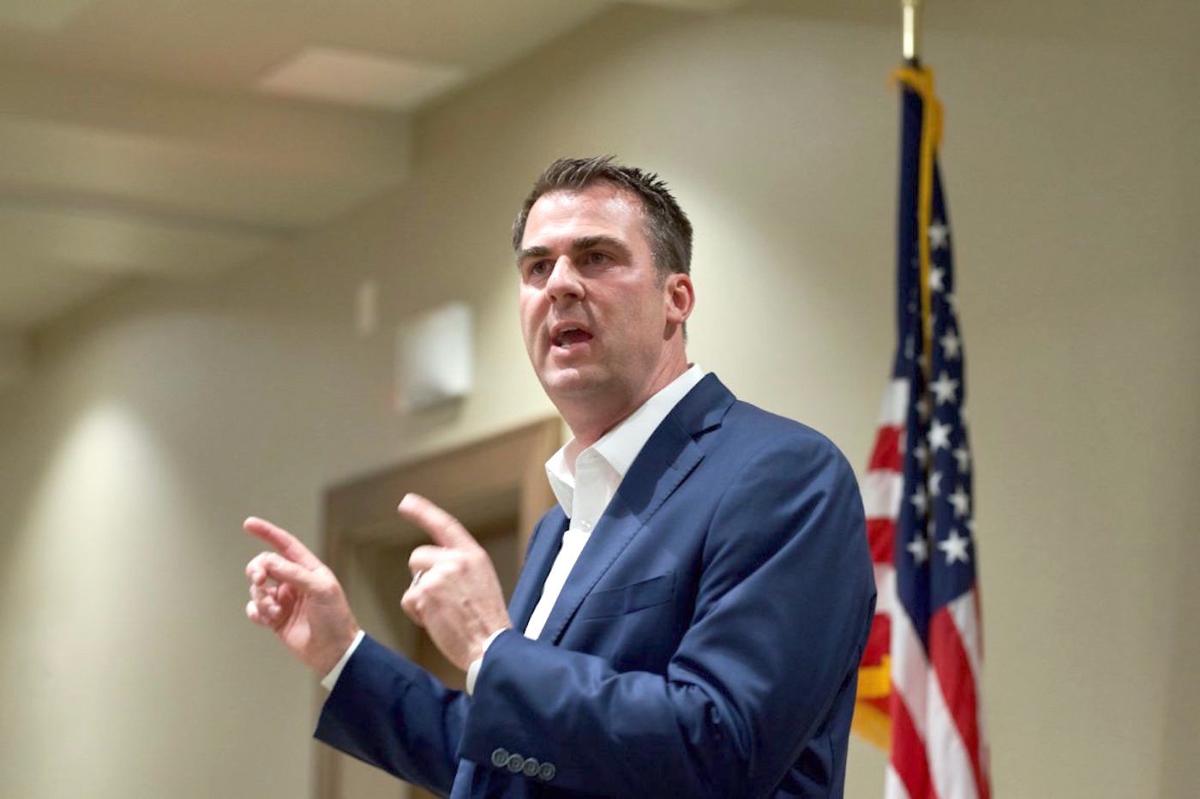
The firm will be paid up to $250,000 for its advice during sensitive talks between the state’s Republican Governor Kevin Stitt and the tribes, for which the stakes could be hundreds of millions.
Oklahoma has 143 tribal casinos, more than any other state, owned by 35 federally recognized tribes. Together, they’re the second-biggest revenue-generator of any tribal casino market, after California’s.
Per 2004 compacts, tribal operators share between 4 and 10 percent of revenues from class III electronic games and table games, based on a sliding scale of performance.
In return, the state promises to safeguard regional exclusivity and to prevent the establishment and expansion of commercial casinos in Oklahoma.
Last year was a record, with tribes sharing $139 million with the state on roughly $2.3 billion in revenue from games covered under the compacts.
Drastic Option
But Stitt, himself a member of the Cherokee Nation, wants more.
The compacts are due to come to end in January 2020. The tribes have said they are prepared to renegotiate some of the terms. But, if consensus can’t be reached, the compacts should automatically renew.
But writing an op-ed in Tulsa World in July, Stitt said the compacts must be redrawn to “reflect market conditions” and claimed that operators in Oklahoma pay the lowest rev-share percentages in America.
The last point is inaccurate. Tribal operators in Arizona, for example, pay between 1 percent and 8 percent. In Minnesota, they pay nothing.
Nevertheless, if the governor is prepared to pay hardball and agreement cannot be reached, the state could declare the tribes to be in breach of their compacts, which means they would be offering class III gaming illegally. They would still be permitted to offer class II bingo-style electronic games, which is their right to do under the Indian Gaming Regulation Act (1988) without permission from the state.
But this would decimate a multibillion-dollar industry that provides jobs and tourism, and invests in housing, hospitals, and infrastructure, largely in small poor rural communities, surely a drastic option.
Proven Record
“When dealing with issues as complex as compact negotiations, it is important to have experts with experience in this area,” said AG’s Office spokesman Alex Gerszewski of the state’s new adviser in an official statement.
“Dykema has a proven record of success in tribal compact and gaming negotiations. We believe, with their help, we can achieve a successful outcome for both the state and our tribal partners,” he added.
Dykema’s website says its “compacting and governmental negotiations experience extends beyond just initial compacts, and also encompasses evaluating the interplay between existing compacts and new proposals, and navigating disputes that arise under compacts.”
As well as working directly for tribes, the firm has advised state governments on the impact of exclusivity clauses, and “permissible arrangements for structuring tribal revenue sharing.”

 Most Read
Another Shooting Near Las Vegas Strip Casino Injures Man
 972,197 views

Vintners Oppose Napa Valley Casino
555,845 views


Conversation (1 comment)