 Main menu


NBA
NBA Expert Eric Pincus: Thunder’s Luxury-Tax Bill Jumps $11.8M Following Nique Clifford Trade
Posted on: November 9, 2026, 07:10h.
Last updated on: November 9, 2026, 07:10h.

Key Points
- Thunder's luxury-tax bill jumps by $11.8 million following the Nique Clifford trade, increasing their projected tax payment from $19.7 million to $31.5 million despite summer cost-cutting.
- NBA league source raises doubts over Thunder's injury exceptions, explaining that the league could reject applications for Jalen Williams and Cason Wallace if either player has a chance of returning for the playoffs.
- NBA executive backs Thunder's aggressive use of draft picks, insisting Oklahoma City “never has to panic” because it has enough draft capital to strengthen its roster despite mounting injuries.


The Oklahoma City Thunder’s trade for Nique Clifford has added $11.8 million to their projected luxury-tax bill.
The move also raises fresh questions about the franchise’s spending strategy and its options for strengthening an injury-hit roster.
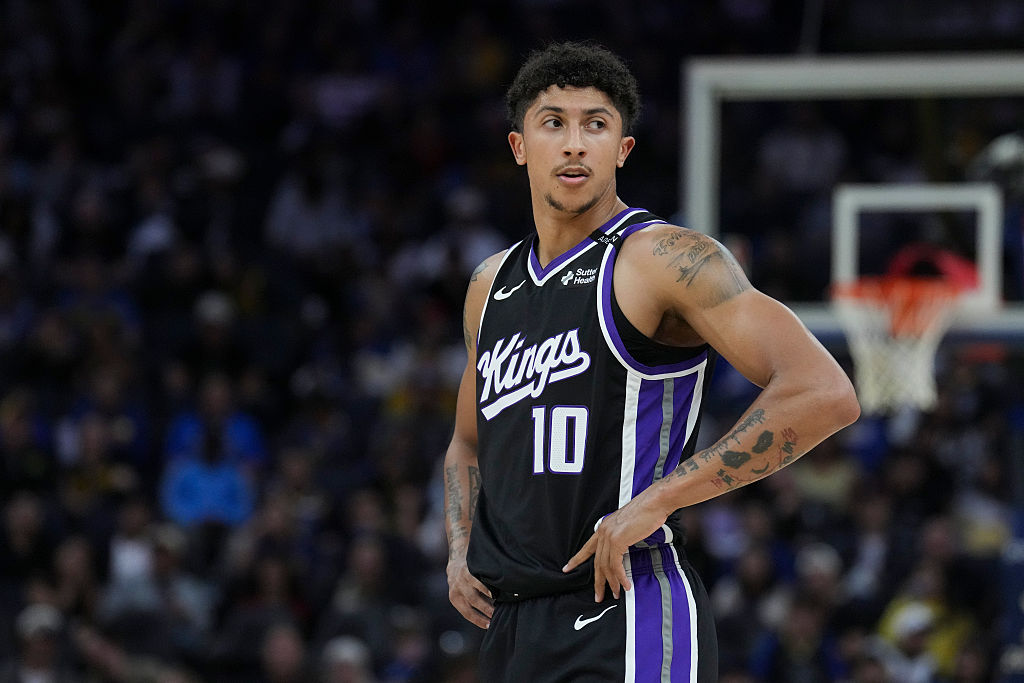
Thunder Turn to Nique Clifford Trade Amid Injury Crisis
The Oklahoma City Thunder lost three key players in a week, with Jalen Williams and Cason Wallace sidelined for months.
Days later, the Thunder announced center Chet Holmgren would miss eight to 10 weeks.
With a projected $19.7 million luxury tax bill, the Thunder faced a decision over their remaining roster spot.
We asked, “Will Devastating Injuries Force Thunder to Rethink Their Financial Stance?”
The answer appears to be a measured “Yes.”
On Sunday, the franchise took action by acquiring Nique Clifford from the Sacramento Kings.
As with February’s Jared McCain acquisition, the Thunder used draft capital to add another promising, inexpensive young player in Clifford.
“OKC never has to panic. They still have enough draft capital to restock, whatever happens,” quipped an Eastern Conference executive.
McCain cost a first-rounder that was projected to be low (ultimately No. 22, used by the Sixers on Labaron Philon Jr.) and three seconds.
Clifford cost the Thunder a 2028 Utah Jazz second and a 2030 second via the Minnesota Timberwolves.
The Kings (1-9), facing tax issues of their own, parted with a very recent draft pick to open a roster spot.
“That’s what the Thunder do with their picks; they don’t use most of them to draft players, but to add depth [by trade] and flip for more picks,” the executive continued.
Clifford Trade Increases Thunder’s Luxury-Tax Bill by $11.8 Million
While Clifford cost just two second-round picks, the financial implications of the trade are considerably greater.
Before the Clifford deal, the franchise added veteran Dalen Terry to a non-guaranteed contract. The Thunder waived on Sunday, leaving almost $106,000 on the team’s cap sheet.
With Clifford’s $3.3 million salary for 2026-27, Oklahoma City’s tax bill jumps by $11.8 million to nearly $31.5 million.
After shedding significant salary over the summer to cut the tax bill, that’s a reasonable investment to restore the team’s depth.
Time will tell whether Clifford is enough.
Why Thunder May Not Qualify for Injury Exceptions
Beyond the Clifford trade, Williams and Wallace underwent surgery that may knock them out for the entire year.
The team’s open-ended language on the injury timelines heavily suggests it won’t pursue disabled player exceptions (DPE).
“[Jalen] Williams will be re-evaluated prior to the end of the 2026-27 regular season,” the Thunder said, with identical language on Wallace.
That phrasing, which leaves the door open to a return, at least for the postseason, is the issue.
The NBA requires doctors to expect an injury to sideline a player until at least June 15.
How Thunder Can Make Further Trades Without Injury Exceptions
The Thunder would need a doctor to re-evaluate either player before then.
However, according to a league source, the NBA looks closely at the medicals.
If a player wasn’t initially ruled out for the season and may be back for the playoffs, the league is likely to reject the request.
The NBA approves most applications, but the Thunder have left the door open for either player’s return.
A DPE is a spending tool, worth half an injured player’s salary for the season, but it can’t exceed the non-taxpayer mid-level exception ($15 million).
The 76ers recently applied for a $1.7 million exception after Ariel Hukporti tore his Achilles in preseason.
Williams’ would be worth $15 million, and Wallace’s would be $3.7 million. The latter looks like enough to take in Clifford, but his multi-year contract rules it out.
Once the NBA grants a DPE, a team can use it to sign a player through the rest of the season.
Teams can also use a DPE in trades or waiver claims, provided the player’s contract expires on June 30.
However, Clifford would not qualify because his contract extends beyond this season.
He is set to earn $3.4 million for 2027-28, with an additional team option year.
Did Oklahoma City Make a Wording mistake in its Press Releases?
For any further additions before the February trade deadline, the franchise already has three trade exceptions to work with.
The Thunder created these through the departures of Lu Dort (17.7million), IsaiahJoe (11.3 million), and Aaron Wiggins ($9 million), with all three set to expire in July 2027.
The Wiggins exception is believed to be the tool used to acquire Clifford, with a $5.8 million remainder.
Since trade exceptions can take on players with multi-year deals, Oklahoma City doesn’t need to add two restrictive DPEs that expire in March.
After the trade with Sacramento, the squad is full at 15 players. Any further additions will require corresponding subtractions.
Clifford’s inexperience may suggest he’s a half-measure, but the Thunder’s success with McCain hints he’ll be yet another steal for OKC.

 Most Read

Another Shooting Near Las Vegas Strip Casino Injures Man
 973,027 views

Vintners Oppose Napa Valley Casino
556,617 views


Conversation (0)
Be the first to comment on this article.