 Main menu


Gaming Business
Why US Gambling Giants Are Betting on the $2B Pokémon Card Market
Posted on: November 27, 2026, 04:45h.
Last updated on: November 27, 2026, 04:45h.


Key Points
- Weekly active users of digital trading card platforms have surged from around 50,000 to 1.7 million in a year
- Underdog has introduced casino-style card-opening games alongside responsible play tools, including spending limits and the option to self-exclude
- Pokémon cards have also become a form of alternative currency for illegal Texas gambling dens and European criminal networks


Some of America’s biggest online gambling companies are betting on Pokémon cards as a new source of revenue, as the booming market for collectible trading cards increasingly blurs the line between gambling and shopping.
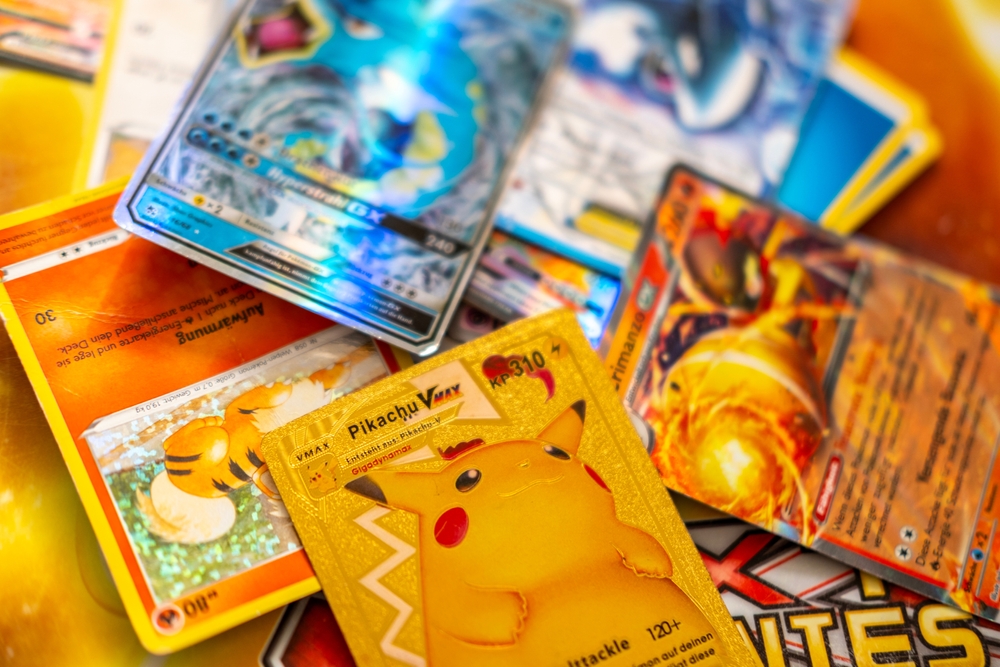
The market for digital trading card packs, known as “rips,” has grown to the point where it is generating an estimated $2 billion in annualized revenue, according to analysts at Bank of America.
The number of weekly active users has soared from around 50,000 to more than 1.7 million in the space of a year, prompting a rush among established gambling operators to get in on the action.
Fanatics, Underdog, and PrizePicks already offer digital rips, while FanDuel is testing the waters through a partnership with collectibles platform Arena Club, which counts baseball legend Derek Jeter among its backers. DraftKings has invested in digital rips platform Rips by Triumph.
Luck of the Draw
Digital rips essentially recreate the experience of tearing open a pack of trading cards in the hope of finding a rare one, but with potentially life-changing sums of money at stake.
Customers pay to open virtual packs containing randomly selected cards that exist in the physical world. They can have their cards shipped to them or sell them straight back to the platform, potentially turning a profit without ever physically handling a card.
When PrizePicks launched its digital collectibles product nationwide last month, its inventory included a rare 1998 Pikachu Illustrator card valued by the company at $2.8 million.
The economics of the business are similar to those of a slot machine. Bank of America estimates that operators retain between 5% and 10% of the money customers spend on packs.
While digital rips are marketed as retail purchases rather than gambling transactions, at least one operator appears to recognize that the products carry some of the same risks as traditional gambling.
On Tuesday, Underdog introduced four new ways to open packs, including games inspired by pinball and miniature golf. It also unveiled responsible play tools that enable customers to set spending limits, track their profits and losses, and self-exclude.
Criminal Currency
The extraordinary sums now changing hands in the Pokémon card market have also attracted the attention of organized crime groups.
On Thursday, three people were remanded in custody in Denmark following an armed robbery at a collectibles store outside Copenhagen in which Pokémon cards worth around $155,000 were stolen.
Danish police say valuable cards are increasingly being used by criminals to launder money or as an alternative currency, while their Swedish counterparts have identified cases in which gangs have paid young recruits in Pokémon cards.
Earlier this month, authorities raided seven suspected illegal gambling dens in San Antonio, Texas, where operators allegedly paid winners in Pokémon and sports trading cards in an attempt to circumvent state gambling laws.
At one location, a business buying and selling trading cards operated conveniently next door.
They may be small enough to slip into your pocket, but the rarest Pokémon cards could buy you a house and have become financial assets in their own right – something that would have been difficult to imagine when the Pokémon craze first swept American school playgrounds in the late 1990s.


 Most Read

Another Shooting Near Las Vegas Strip Casino Injures Man
 973,208 views

Vintners Oppose Napa Valley Casino
556,781 views


Conversation (0)
Be the first to comment on this article.