 Main menu

Crime & Scandals
Levo Chan: Macau Casino Junket Boss Gets 14 Years for Illegal Gambling
Posted on: April 21, 2023, 01:57h.
Last updated on: April 24, 2023, 10:20h.


Macau junket kingpin Levo Chan was sentenced to 14 years in prison on Friday for unlawful gambling, running criminal syndicates, fraud, and money laundering.
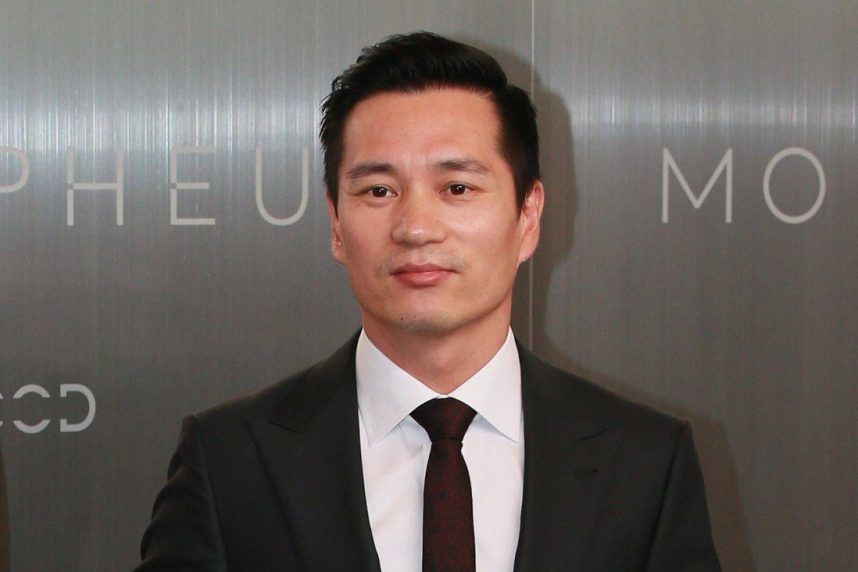
Earlier, in a final statement to the court, a tearful Chan apologized to workers at the now-defunct Tak Chun Group and denied the company was a “triad” organization.
Until his arrest in January 2022, Chan was the head of Tak Chun, the second-biggest player in Macau’s multibillion-dollar junket sector. That made him one of the most powerful people in the gambling enclave. In January 2023, Alvin Chau, head of Macau’s biggest junket, Suncity, was sentenced to 18 years in prison on similar charges.
Their arrests signified that the politburo in Beijing had finally run out of patience with Macau’s junket industry, which it blames for facilitating cross-border gambling, capital flight, and money laundering,
Secret Betting Industry
Both men were accused of defrauding Macau’s government of millions of dollars by offering illegal, under-the-table gambling to their high-rolling clients.
These were “multiplier bets,” private wagers that involved Tak Chun multiplying the stakes on “official” bets placed at Macau’s casinos. They were settled later, tax-free, according to prosecutors.
Chan was estimated to have earned US$200 million from these bets on a total handle of US$4.5 billion, while denying the government US$62 million in tax revenue.
Chan denied the charges against him. But during the trial, the court heard wiretap evidence from 2018 and 2019 that prosecutors claimed recorded Chan approving multiplier betting to an employee.
Meanwhile, investigators from Macau’s judiciary police testified Tak Chun produced internal training manuals advising staff on how the bets could be arranged.
Planned to Flee
When Chan discovered prosecutors were building a case against him, he made plans to start a new life in Taiwan, which does not have an extradition treaty with Macau or the People’s Republic of China.
Documents that showed he had applied for Taiwanese residency were found among his personal effects at the time of his arrest. Investigators also determined he had wired a large sum of money to Taiwan in the days leading up to his arrest.
As well as Tak Chun, Chan was the chairman and CEO of Macau Legend Development Ltd., which owns the Fisherman’s Wharf entertainment complex on Macau’s harbor. It also operates casinos under the SJM Holdings license.
Chan remains the company’s majority shareholder, with 33%. The charges against Chan were unconnected to Macau Legend’s operations.

 Most Read
Another Shooting Near Las Vegas Strip Casino Injures Man
 972,746 views

Vintners Oppose Napa Valley Casino
556,350 views


Conversation (0)
Be the first to comment on this article.