 Main menu

Financial
Las Vegas Sands, MGM, Wynn, Others Tagged with Negative Credit Outlooks by Standard & Poor’s
Posted on: March 21, 2020, 01:31h.
Last updated on: March 22, 2020, 10:50h.


Las Vegas Sands (NYSE:LVS), MGM Resorts International (NYSE:LVS), and Wynn Resorts (NASDAQ:WYNN) are among the operators vulnerable to credit downgrades, as the coronavirus imperils the domestic gaming industry, according to new research from Standard & Poor’s (S&P).
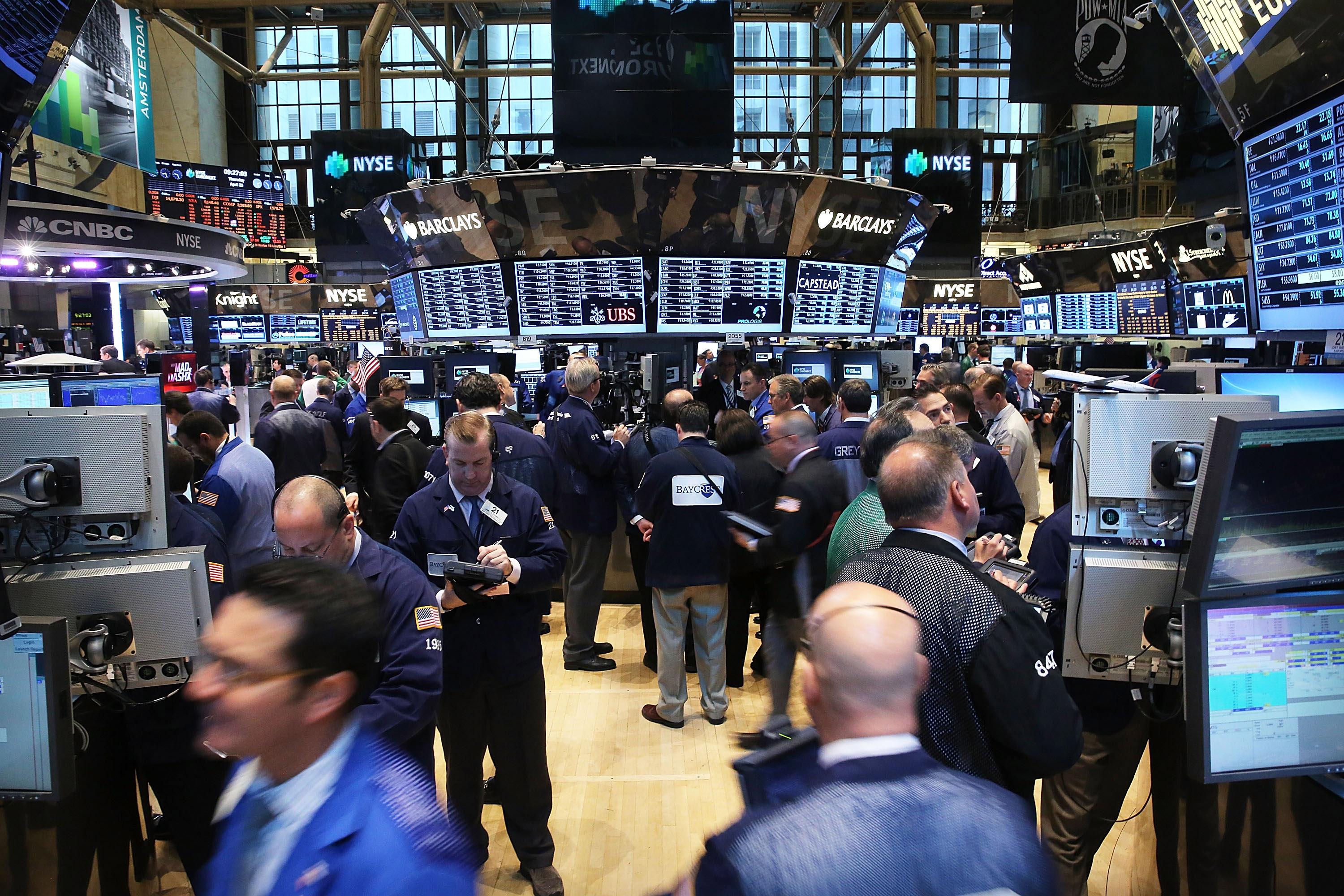
On Friday, S&P shifted the ratings outlooks on those gaming giants and a batch of tribal and regional casino companies to “CreditWatch Negative.” They cited the impact the COVID-19 pandemic is having on the industry and the US economy. Prior to that move, the research firm had “stable” ratings on most of the gaming companies in its coverage universe. But now, many of these firms are in danger of being lowered to non-investment grade status.
The gaming operator and gaming equipment sectors are currently facing an unprecedented decline in revenue resulting from the temporary closures of casinos across the U.S.,” said S&P in a note obtained by Casino.org. “Revenue will fall significantly, essentially to zero, for many operators as long as casinos are closed.”
Recently, ratings agencies have been increasingly vocal about the toll the coronavirus outbreak could take on integrated resort firms. They cited the effects of a 15-day closure in Macau last month and a 30-day governor-mandated suspension imposed in Nevada earlier this week, among other factors.
“Ratings on CreditWatch reflect significant anticipated stress on revenue and cash flow over the next several months, or possibly longer, that could cause us to lower ratings over a short time frame, even if companies have a good level of leverage and liquidity cushion,” said S&P.
Revenue Falling, but Some Costs Aren’t
With nearly all domestic commercial casinos temporarily shuttered, operators are facing a low to zero revenue scenario over the near-term. But that doesn’t mean costs are declining in unison with turnover. As S&P points out, gaming companies are realizing savings on gaming taxes and marketing expenses. But that’s not enough to outweigh lost revenue, labor costs and rent that must still be paid.
“Labor, gaming taxes, and marketing are typically the three largest expense items for all gaming operators,” said the research firm. “While gaming taxes and marketing will be reduced to zero in a no-revenue scenario, operators will bear some labor costs during closures.”
In preparation for what could be an extended closure period, several gaming companies, including MGM and Wynn, are tapping bank credit lines to bring cash onto their balance sheets. They’re also bolstering near-term liquidity at a time when investors are fretting about a recession affecting companies’ access to capital.
Even if gaming properties are soon reopened, operators may have to contend with altered consumer behavior at the hands of a contracting economy.
“Furthermore, it may take time for operators to recover after properties reopen for a few reasons,” said S&P. “First, we believe the U.S. is entering a recession – if not already in one, which would reduce consumer discretionary spending at casinos.”
Regionals a Little Better
The research firm is more optimistic about a recovery for regional gaming companies, though it still placed Boyd Gaming (NYSE:BYD), Penn National Gaming (NASDAQ:PENN), and Twin River Worldwide Holdings (NYSE:TRWH), among others, on “CreditWatch Negative.”
On Friday, TRWH, which has no Las Vegas exposure, said it fully funded a $250 million revolving credit facility and has $360 million in cash on its balance sheet.
“We believe regional gaming markets are more likely to recover faster than destination markets like Las Vegas because most customers are able to drive to those properties instead of fly, which reduces the costs of these trips,” said S&P.


 Most Read

Another Shooting Near Las Vegas Strip Casino Injures Man
 972,800 views

Vintners Oppose Napa Valley Casino
556,403 views


Conversation (0)
Be the first to comment on this article.