 Main menu

Regulation
What Happens When a Self-Excluded Person Hits a Jackpot? It Just Happened in Pennsylvania
Posted on: June 1, 2026, 04:17h.
Last updated on: June 1, 2026, 04:17h.


- An excluded person in Pennsylvania won a slot machine jackpot
- The jackpot was forfeited because the gambler had self-excluded
- Self-excluded winnings are directed to responsible gaming programs
Pennsylvania has one of the largest self-exclusion programs in the country. The problem gambling safeguard doesn’t always keep banned persons away.
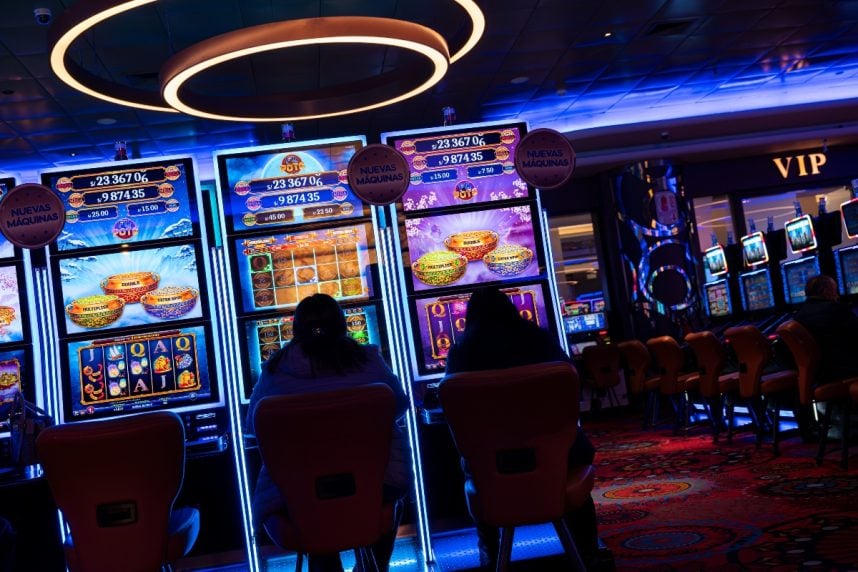
Administered by the Pennsylvania Gaming Control Board, the state allows persons to voluntarily ban themselves from casinos, iGaming, video gaming terminals, and fantasy sports.
The programs, considered the best defense against gambling problems, aren’t foolproof, as made evident by a news story this week near Harrisburg.
On Sunday, officers with the Pennsylvania State Police were called to Hollywood Casino at Penn National Race Course to trespass a person from the premises. Casino security said a woman from New Jersey had won a jackpot on a slot machine, but when an attendant validated her information while issuing her a W-2G tax form, she was determined to have self-excluded in 2019.
The unidentified woman voluntarily revoked her in-person gaming privileges at all casinos in Pennsylvania. Her enrollment, the state said, was made for life.
What Happens to Excluded Persons’ Winnings?
People who are excluded from casinos in Pennsylvania, whether voluntarily or by state order, are prohibited from gambling at the facilities. They’re also not allowed to win.
Casino security personnel are supposed to check the identities of persons trying to enter a casino by scanning their driver’s license or other form of identification. The scan automatically tells the security worker if the person’s gaming privileges have been revoked.
Anyone who’s frequented a Pennsylvania casino knows those security protocols aren’t always followed. For people who are obviously older than 21, security often waves patrons through without checking their IDs against the involuntary and self-excluded lists.
Casino winnings from excluded persons are directed to the PGCB, which uses those monies to support its Compulsive and Problem Gambling programs. Along with self-exclusion, the PGCB offers resources for gambling addiction through its ResponsiblePlay.pa.gov website.
State police did not detail how much the New Jersey woman’s jackpot was worth, but for tax purposes, a handpay is triggered when the prize is $2,000 or more.
Self-Exclusion: By the Numbers
The PGCB says 23,216 people have self-excluded from casinos, with males accounting for 15,027 of the enrollments. Most of the enrollees are aged 55 and older.
Casino security frequently catches self-excluded persons trying to enter a casino. The PGCB says there have been 4,684 self-excluded violations since the self-exclusion program was initiated in December 2006.
The PGCB’s iGaming self-exclusion program has 3,714 enrollees, and 736 individuals have revoked their access to slot-like video gaming terminals at truck stops.
In Pennsylvania, when a person’s self-exclusion period ends for physical casinos, their privileges are not automatically restored. Instead, the person must file a request to be removed from the program; otherwise, they remain banned indefinitely.
For iGaming, VGT, and fantasy sports, self-exclusions simply expire at the conclusion of the initial term, and their privileges are automatically restored.

 Most Read
Another Shooting Near Las Vegas Strip Casino Injures Man
 972,740 views

Vintners Oppose Napa Valley Casino
556,343 views


Conversation (4 comments)