 Main menu

Las Vegas
Las Vegas Residents 7.5 Times More Likely to Be Gambling Addicts — UNLV Study
Posted on: December 11, 2025, 12:05h.
Last updated on: December 15, 2025, 01:53h.


- A new study says 15% of Nevada residents are problem gamblers
- A problem gambler is defined as someone who has suffered repeated harm over the last year because of their gambling
It’s not a surprise that people in the only US state that relies mostly on casinos for its economy would be more at risk of suffering from problem gambling. The surprise is how much more.
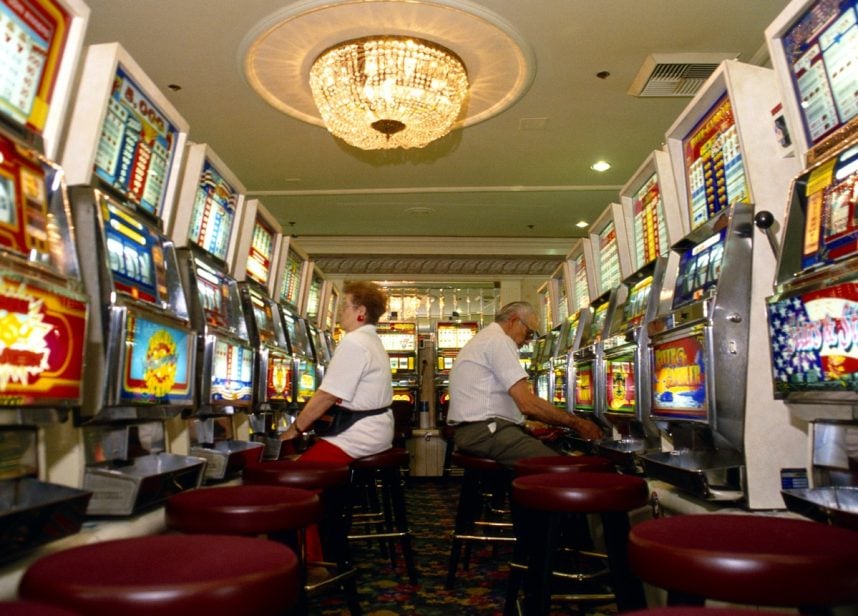
According to a new UNLV study, 15% of the state’s adult population are problem gamblers, defined as individuals experiencing harm from their addiction “many times” in the past year.
That’s 7.5 times the national US average of 2% for a severe gambling disorder (around 2 million adults) reported by the National Council on Problem Gambling.
In addition, of the 65% of Nevadans who reported gambling in the past year, 21% were in the “most severe risk category” for problem gambling. The average person seeking treatment has $32K in gambling debt.
“We’re talking about financial harms, which are everything you can imagine — bankruptcy, loss of savings. foreclosures, using payday loans, not being able to pay your rent, not being able to buy food,” Andrea Dassopoulos, the lead author of “Gambling Behaviors, Perceptions, and Risks Among Nevada Adults,” told the City Cast Las Vegas podcast.
Dassopoulos, project manager for the Nevada Problem Gambling Project at UNLV’s International Gaming Institute, said that Las Vegas, home to 75% of Nevada’s residents, is a more vulnerable population because “we’re immune to it.”
“We don’t even notice it anymore — just this persistent overexposure, this like strain that is just constant,” she told City Cast.
Casino workers were almost twice as likely to end up in the severe risk category, according to the new study, though people under 24 years old, Blacks, and Latinos also had elevated risks.
Why They Gamble
The respondents told Dassopoulos and her cohorts they gamble primarily for the worst reason possible.
The industry way of doing responsible gambling is to say ‘Gambling should be fun, gambling should be entertainment,’” she said. “But the reason (problem gamblers) gamble is to make money. That was a question we asked on the survey.
“That was surprising to me because I would think anybody who lives here, especially people who work in the industry, would know.”
Also surprising is how little research has been conducted on gambling in the gambling capital of the US. It’s been over two decades since a study like this was conducted in Las Vegas.
“I think it should be done every year,” Dassopoulos said. “We are not investing in this kind of research because we’re trying to address other issues, and research goes to the bottom of the list. So when it comes to our problem gambling fund, it includes treatment, prevention, workforce development, and research. And research is always the least important of those things.
“Although I would argue that you really can’t have any of those other things without good research.”
Dassopoulos’ study was recently published by UNLV’s International Gaming Institute but is not yet available online.

 Most Read

Another Shooting Near Las Vegas Strip Casino Injures Man
 972,502 views

Vintners Oppose Napa Valley Casino
556,127 views


Conversation (1 comment)