 Main menu

Legal
Court Rules Florida Pre-Reveal Games are Illegal Slots as Gator Coin Loses Federal Appeal
Posted on: September 3, 2018, 02:56h.
Last updated on: September 3, 2018, 02:56h.


Pre-reveal machines are illegal in Florida, a federal appeals court ruled on Friday, thus effectively ending the longstanding debate between Sunshine State regulators and the games’ respective manufacturer and distributor: Blue Sky Games and Gator Coin.
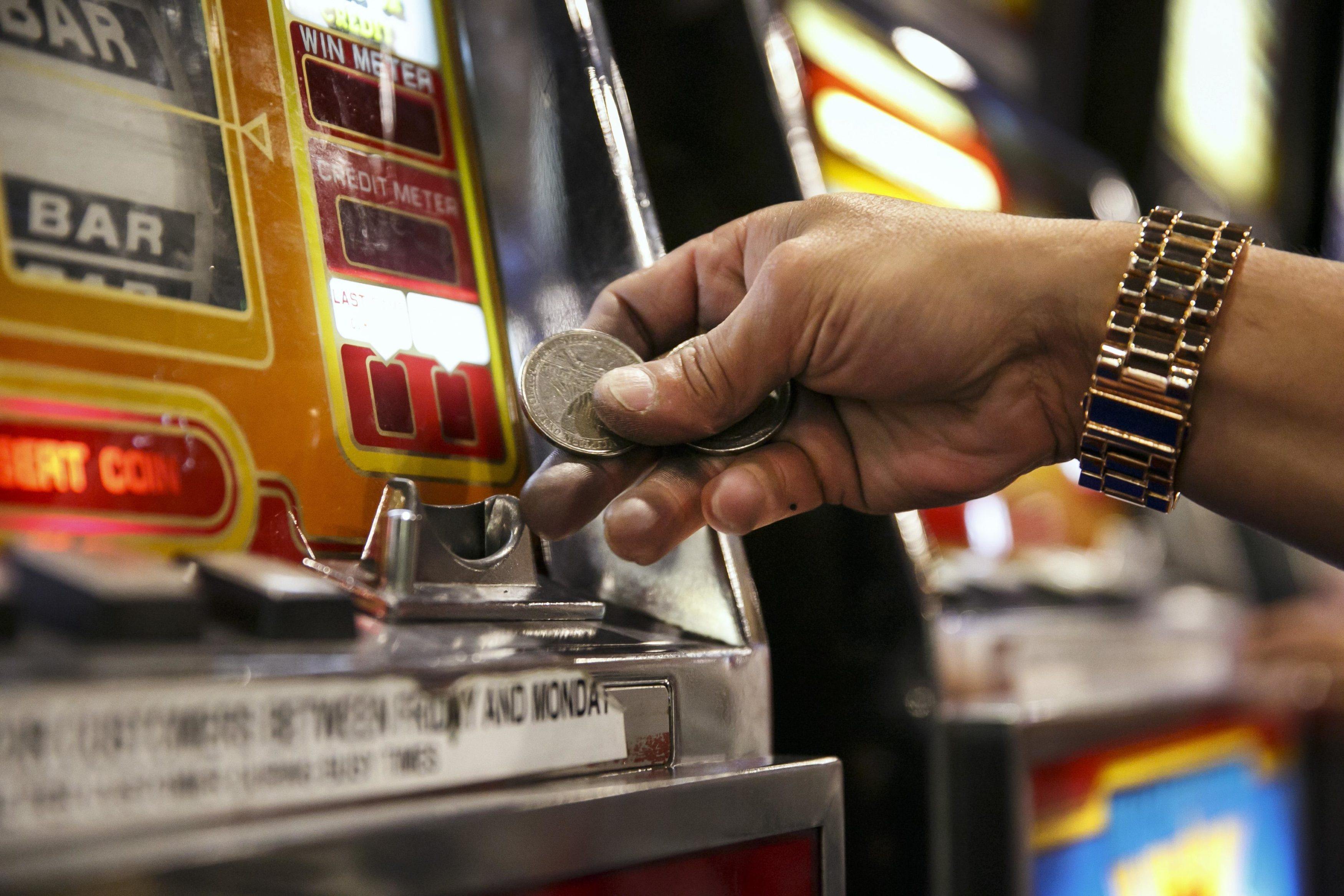
The appellants had argued that the machines — which are typically found in bars — could not be classified as “games of chance,” because players are told whether they will win or lose before coins are inserted and the reels spin.
During the original case in 2017, a mystified Judge John Cooper said the machines couldn’t possibly be games of chance if outcomes were known beforehand and queried why anyone would play them at all.
Three months later, he dramatically changed his mind, admitting that he hadn’t fully understood the true dynamics of the machines. Since players usually play through a series of spins, rather than just one, they are typically always paying to see the next spin, which remains unknown, and subject to complete chance.
Slot or Not?
A three-judge panel of the 1st District Court of Appeal (1DCA) upheld the revised decision, emphasizing that the “element of chance is inherent in [the game], given that it has a preset win/loss ratio … and that the game outcomes are determined by the machine by chance, via a random number generator.”
A pre-reveal machine is a “profitable game that depicts traditional slot machine symbols, such as reels; it takes $1 to $20 bills; and the amount of return to the player varies by the amount of money played,” said the ruling.
“When the first game is played, the outcome of the next game is automatically generated by the RNG and is stored in memory, and that outcome is displayed when the player presses preview for the next game,” it continued.
“There is nothing a player can do to change the outcome that is randomly generated by the machine from among millions of potential outcomes,” the ruling summarized.
Risking Billions
The pre-reveal issue has taken on a wider political significance, because the machines have incurred the censure of the powerful Seminole tribe, which owns the Hard Rock chain of casinos and holds exclusivity rights on Florida slot machine gaming in all but a few of the state’s counties.
The tribe has said the machines’ existence in Florida amounts to a violation of its gaming compact with the state, which could lead to it withholding billions of dollars in revenue-share payments. It has warned the legislature in Tallahassee against permitting their proliferation.

 Most Read
Another Shooting Near Las Vegas Strip Casino Injures Man
 972,670 views
Vintners Oppose Napa Valley Casino
556,274 views


Conversation (0)
Be the first to comment on this article.