 Main menu

Legal
Churchill Downs, NYRA Fight ‘Rigged’ Horse Betting Pools RICO Lawsuit
Posted on: September 23, 2026, 03:23h.
Last updated on: September 24, 2026, 09:15h.


Key Points
- Seven horseplayers allege racetrack operators created a two-tier system favoring high-volume computer-assisted wagering operations
- Plaintiffs claim CAW bettors receive rebates and technological advantages allowing huge wagers to hit pools immediately before races
- Churchill Downs, NYRA, and other defendants argue bettors cannot show the alleged system caused them identifiable financial losses


Some of the biggest names in US horse racing are fighting a lawsuit that accuses them of giving sophisticated computer-assisted gamblers an unfair advantage over ordinary bettors in supposedly neutral pari-mutuel pools.
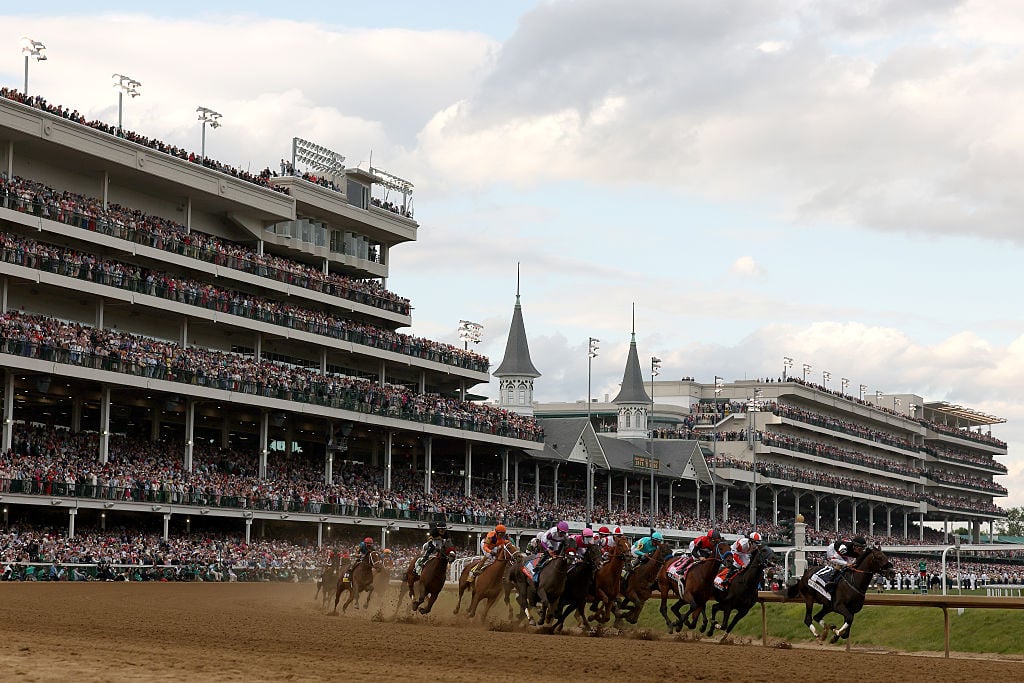
The proposed class action accuses Churchill Downs, the New York Racing Association (NYRA), The Stronach Group, and several wagering technology companies of participating in a racketeering scheme that allegedly tilts the pools toward high-volume computer-assisted wagering (CAW) operations.
The defendants this week urged a New York federal judge to dismiss the case, arguing seven plaintiff horseplayers cannot show that the alleged scheme caused them any actual financial injury.
The plaintiffs claim the defendants have created a two-tier betting system that favors high-volume computer-assisted wagering (CAW) operations through preferential rebates, superior access to betting infrastructure, and the ability to place large volumes of wagers immediately before pools close.
The plaintiffs allege this scheme has deprived ordinary bettors of fair wagering opportunities and reduced their potential returns.
Last-Second Bets
Unlike fixed-odds sports betting, pari-mutuel wagering pools bettors’ money, deducts a predetermined track takeout, and divides the remainder among winning tickets. Odds therefore fluctuate according to how money is distributed across the pool.
While fixed-odds sportsbooks hate advantage players, revenue for racetracks operating pari-mutuel pools is driven largely by wagering volume, making high-volume CAW operations potentially lucrative customers even when those bettors consistently win.
The plaintiffs argue that CAW groups can use sophisticated algorithms to identify favorable opportunities before dumping large numbers of bets into pools at the last moment.
That can cause the odds displayed when an ordinary customer places a wager to fall sharply by the time the race begins.
The bettors allege racetrack operators have interests in, or business relationships with, the tote companies that process wagers and platforms serving both ordinary and CAW customers.
They claim this “vertically integrated” system allows favored CAW customers to receive substantial rebates that effectively reduce the takeout they pay.
The defendants dispute the characterization, comparing rebates to customer loyalty incentives such as airline miles.
Where’s the Injury?
In their motion to dismiss, the racing companies argue the plaintiffs have failed to demonstrate that their alleged losses were caused by the defendants.
Odds are determined by hundreds or thousands of individual wagering decisions, rather than being set by the tracks themselves, according to the defendants.
They also argue the plaintiffs have not identified specific winning wagers where CAW activity caused them to receive smaller payouts.
If a plaintiff’s horse lost, changes in the odds could not have affected the amount the bettor received because the wager would have paid nothing, they argue.
The defendants are seeking dismissal of claims brought under the federal Racketeer Influenced and Corrupt Organizations (RICO) Act, arguing the bettors cannot establish a sufficiently direct connection between the alleged scheme and their losses.
The plaintiffs contend there is a direct connection because the defendants themselves created and controlled the betting infrastructure that allegedly produced the disadvantage.
The case is pending in the US District Court for the Eastern District of New York.

 Most Read
Another Shooting Near Las Vegas Strip Casino Injures Man
 972,611 views

Vintners Oppose Napa Valley Casino
556,223 views


Conversation (0)
Be the first to comment on this article.