 Main menu

Tribal Gaming
Chickasaw Oklahoma Off-Reservation Casino Challenge from Comanche Nation Dismissed, Leaving Tribe to Dominate
Posted on: December 17, 2018, 08:37h.
Last updated on: December 17, 2018, 09:51h.


A new Chickasaw Nation-operated casino in Oklahoma has survived a legal challenge by the rival Comanche Nation.
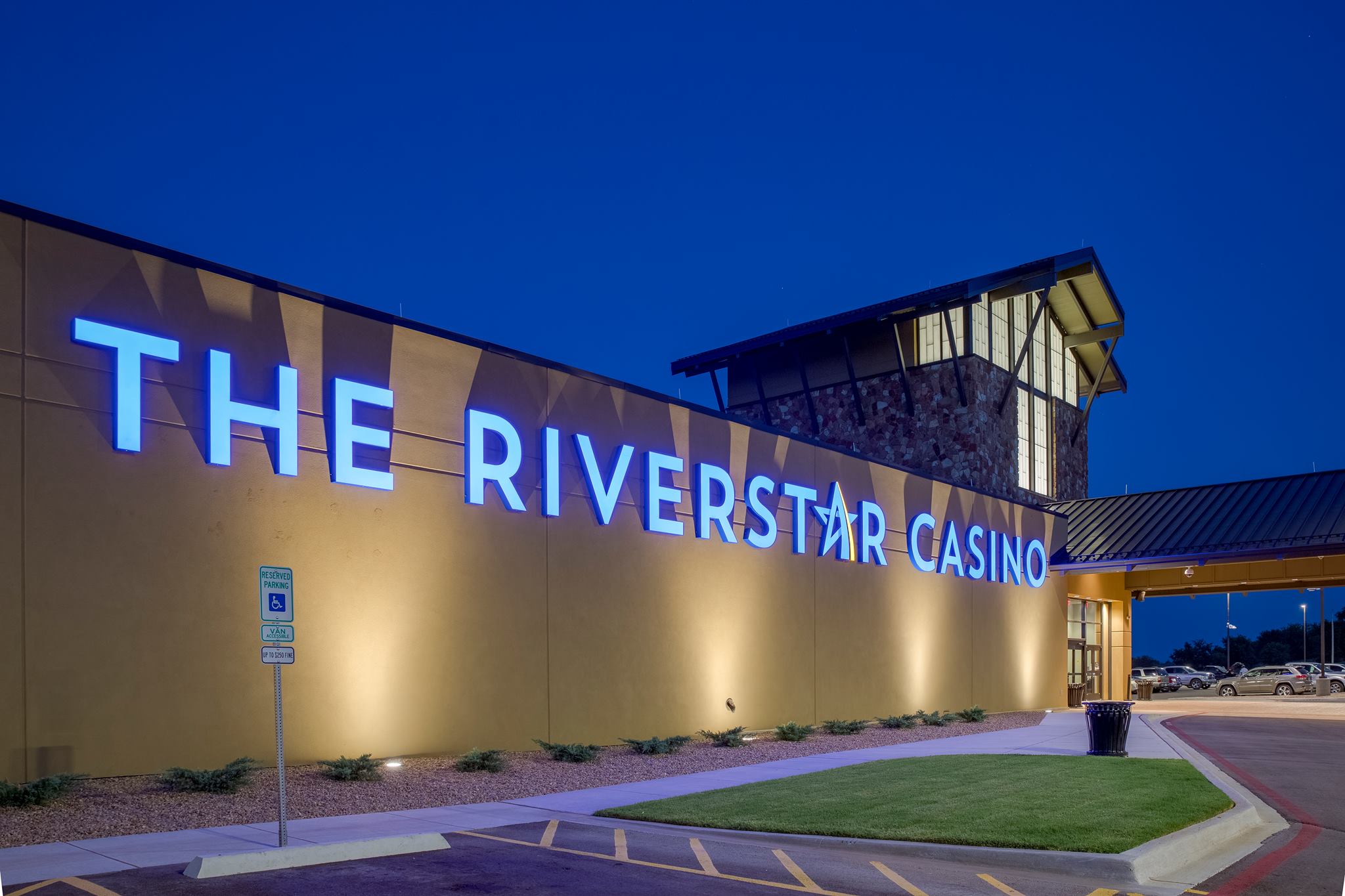
The Chickasaws’ Riverstar Casino opened in March, despite the pending litigation which argued the Department of Interior (DOI) had erred when it gave the green light to the new casino near Terral, which sits 45 miles from the Comanche Red River Casino in Devol.
Lawyers for the Comanche claimed the DOI should not have placed the lands in trust for the Chickasaw casino, because the department had failed to determine that the tribe had “exercised governmental authority” over the lands before it purchased them.
The DOI approved the lands — which are not part of the official Chickasaw reservation — in January 2017, just four years after the tribe acquired them.
The decision completely blindsided the Comanche — which was not consulted by the DOI, or even mentioned in the federal department’s 18-page decision on the matter.
Oklahoma Carve-Out
In November 2017, Oklahoma City federal judge Joe Heaton dismissed the Comanche claim, determining that while the proposed development was not inside the Chickasaw reservation, it fell within an area that was deemed to be so in the 19th century and therefore could be taken into trust.
The Indian Gaming Regulation Act (IGRA) allows federally recognized tribes to offer class II gaming such as poker and bingo without state approval, provided it is legal elsewhere in the state, and full-blown casino gaming via a compact with the state.
But Congress sought to limit tribal gambling expansion by prohibiting casinos on land acquired after 1988, when IGRA was enacted.
Oklahoma’s tribes got an exemption from the 1988 cut-off point because Oklahoma’s history of tribal upheaval meant that there were still territorial disputes between the tribe and the state.
Chickasaw Nation Puts History in Its Favor
The idea was to create a level playing field for the tribes, but the Comanche argue that the Chickasaw have exploited the exemption to become one of the wealthiest and most powerful tribal gaming operators in the US, and are using their lobbying power in Washington to facilitate that expansion at the expense of poorer Oklahoma tribes.
Today, the tribe operates 22 casinos, more than any other tribe in the US. Most of the facilities are located on land acquired after 1988.
“We are pleased the court of appeals agreed with our original assessment,” said Stephen Greetham, senior counsel for the Chickasaw Nation.
“As we have said, the Comanche Nation’s lawsuit fails to raise any factual or legal point of merit,” he added. “With this appeal completed, we are confident the district court will now proceed with dismissal of the entire case, not just the Comanche motion for preliminary injunction.”
The Chickasaw: Rise of a Tribal Gaming Giant
The Chickasaw Nation owns 22 US casino properties, including WinStar World — located 120 miles from Oklahoma City — which overtook Connecticut’s Foxwods for largest gaming floor space following a 2013 renovation.
The revamped property includes a bull-riding arena, a major event space that’s presented top names in entertainment — from Tony Bennet to Lil Wayne — along with a 55-table poker room, 7,400 slot machines, and almost 100 table games.
In 2017, the Chickasaw had total net gaming revenues of $1.4 billion and over $3 billion in assets: representing 10-fold growth from just a decade before.

 Most Read
Another Shooting Near Las Vegas Strip Casino Injures Man
 972,611 views
Vintners Oppose Napa Valley Casino
556,223 views


Conversation (0)
Be the first to comment on this article.