 Main menu

Canadian Gaming
Quebec Election Opens Door to Ontario-Style Private iGaming Market
Posted on: October 6, 2026, 09:43h.
Last updated on: October 7, 2026, 04:28h.


Key Points
- Parti Québécois election victory moves Quebec closer to opening its iGaming market to private operators
- Both the PQ and Liberals campaigned on introducing a competitive, regulated online gambling market
- Industry leaders say Quebec must establish independent regulation before private operators can legally launch there


The election of a Parti Québécois (PQ) government on Oct. 5 has set the stage for Quebec to dismantle Loto-Québec’s monopoly and transition toward a competitive, Ontario-style private iGaming market.
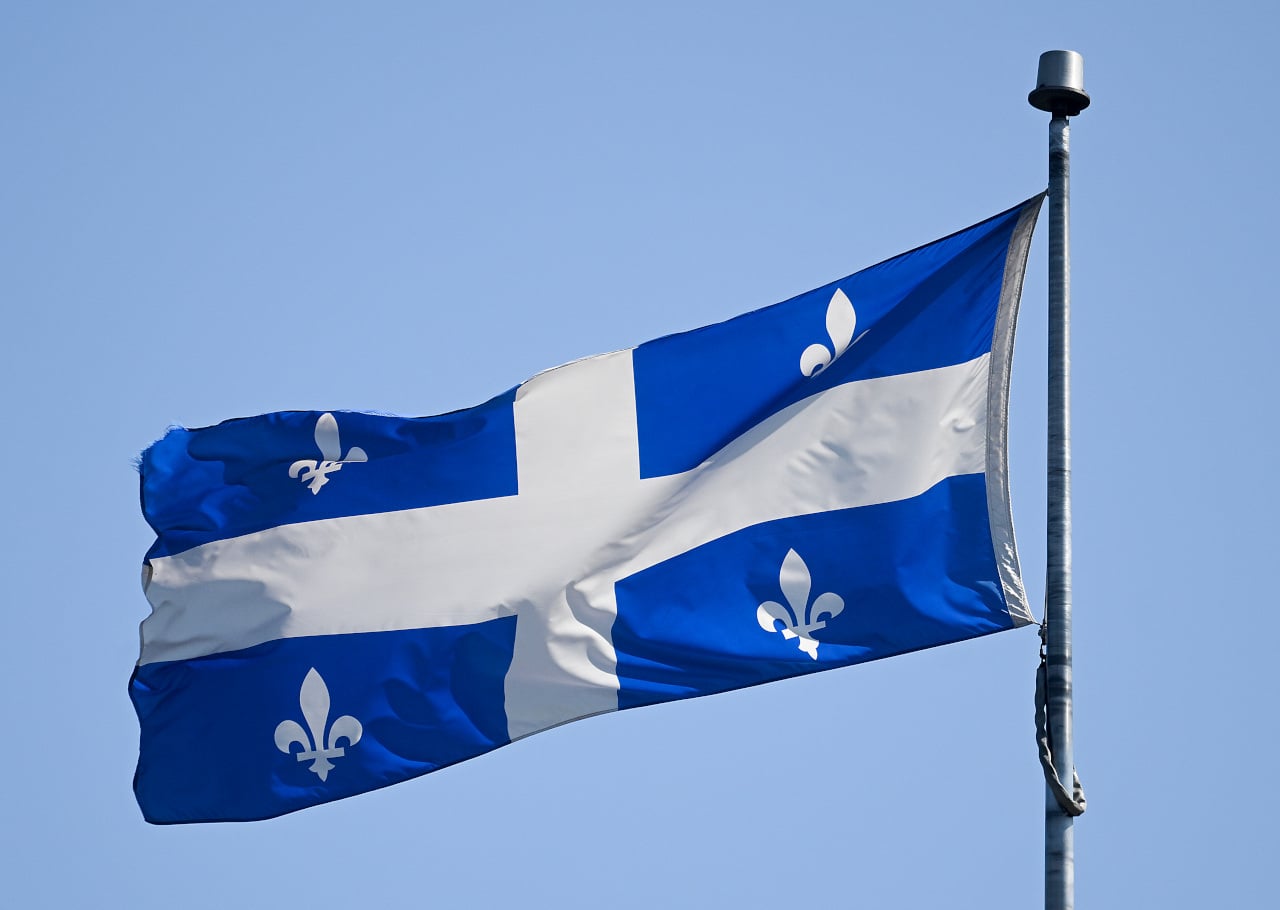
The PQ ended election night with 59 seats, five short of a majority government. The Quebec Liberal Party finished with 40 seats and will form the Official Opposition. The Liberals also committed during the campaign to moving forward with a private iGaming model if elected.
Currently, state-owned Crown corporation Loto-Québec operates the only legal online gambling platform in the province.
Industry Sees Growing Consensus
“The election in Quebec brings a new political leadership with a different perspective on online gaming,” said Ariane Gauthier, spokesperson for the Quebec Online Gaming Coalition (QOGC), a lobby group representing major commercial operators including DraftKings, Flutter, Entain, Betway, Bet99, Rush Street, and Apricot.
“Paul St-Pierre Plamondon even congratulated the Liberal leader for announcing it first during the campaign. We think this is a reform gathering a large consensus that can be successfully put forward by the new Quebec government.”
Liberals Proposed Regulatory Overhaul
During the campaign, the Liberals released a government modernization plan that included expanding the mandate of the Régie des alcools, des courses et des jeux (RACJ) — the provincial regulator for alcohol, horse racing, and gaming.
The Liberals said they would empower the regulator to license and oversee all online gambling platforms in the province while enforcing strict rules around advertising, addiction prevention, and consumer protection.
The PQ told Radio-Canada it would adopt a similar regulatory approach if elected. St-Pierre Plamondon confirmed at an Oct. 6 news conference that he is already pushing ahead with several key initiatives announced during the campaign.
Details Still Need Work
“Quebec has to decide what specific rules to put in place and which independent organization will act as the regulator for all operators in the province, including Loto-Québec,” said Gauthier. “These are not small changes; they form the foundation of a fair and secure environment. It will take time to find the right approach, especially because it must be done in collaboration with stakeholders.”
Unregulated Market Looms Large
A private-sector study this summer projected Quebec’s total addressable iGaming market for 2026 at CAD $3.09 billion. Current channelization rates show that only 27% of play occurs within regulated channels, leaving 73% in the unregulated market and resulting in an estimated $2.3 billion in lost gross gaming revenue.
Loto-Québec has claimed that 81% of Quebec online players use its platform. However, a 2023 Mainstreet Research study released by the QOGC found that 73% of surveyed Quebec players chose privately operated platforms for sports betting and casino games.
The survey added that 72% of players using Loto-Québec’s Espacejeux platform do so exclusively to buy lottery tickets.
Industry Calls Shift Significant
“The fact that the two leading parties in Quebec campaigned on creating an online gambling regulatory regime is encouraging,” said Troy Ross, president of TRM Public Affairs, who represents private sector iGaming operators. “Between the Parti Québécois and the Liberal Party of Quebec, they have more than enough seats to pass legislation and launch a model.
“This represents a remarkable shift in policy. The Quebec Online Gaming Coalition has effectively built the case for regulation, and we look forward to working with the new government on the details.”
Ontario Offers Regulatory Blueprint
Ontario’s private iGaming market went live in April 2022, with 49 licensed operators currently running 84 websites. The market generated CAD $4.04 billion in non-adjusted gross gaming revenue (NAGGR) in 2025. Meanwhile, Alberta launched its private iGaming market in July with 36 live websites.
“It’s important to remember that in Quebec, Loto-Québec is not currently regulated by the RACJ,” noted Amanda Brewer, senior vice president of policy and communications at the Canadian Gaming Association.
“The province would need to establish a regulator and likely a ‘conduct and manage’ entity similar to iGaming Ontario (iGO) or Alberta iGaming Corporation (AiGC). I wouldn’t use ‘fast’ to describe anything that happens next in Quebec.”
Casino.org reached out to Loto-Québec for comment but did not receive a response prior to publication.


 Most Read

Another Shooting Near Las Vegas Strip Casino Injures Man
 972,812 views

Vintners Oppose Napa Valley Casino
556,411 views


Conversation (0)
Be the first to comment on this article.