 Main menu

Las Vegas
Blackstone Hits Jackpot with Cosmo Sale
Posted on: July 22, 2022, 11:25h.
Last updated on: July 25, 2022, 11:21h.


Blackstone Real Estate’s sale of the Cosmopolitan of Las Vegas was its “most profitable single asset sale ever,” according to a company earnings report Thursday. The $5.65 billion sale closed in May.
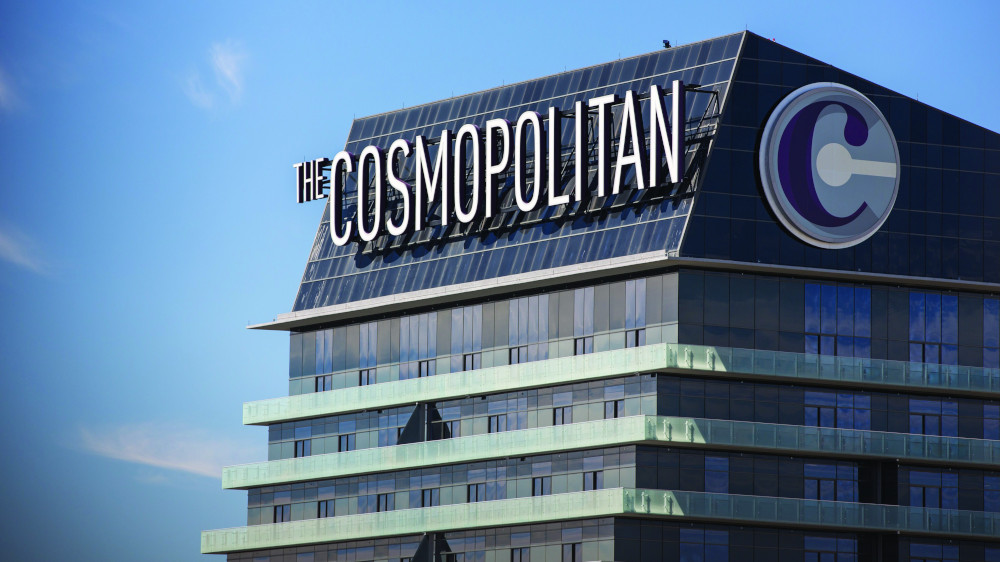
Blackstone purchased the Strip hotel-casino from Deutsche Bank for $1.73 billion in 2014, spending over $500 million on renovations. Yet it has earned back nearly 10 times the amount of equity it invested, according to the Wall Street Journal.
That’s a profit of $4.1 billion, including cash flow from the property’s operations.
Risky Bet
The complicated terms of the Cosmo sale show Blackstone retaining partial ownership, along with the New York investment firm Stonepeak and Panda Express operators Andrew and Peggy Cherng. No ownership stakes were disclosed.
MGM Resorts International forked over $1.6 billion for the Cosmo’s operations and will pay $200 million yearly to lease the property. (Blackstone already owns several surrounding properties run by MGM Resorts, including the Bellagio, Aria, and Vdara.)
The Cosmopolitan was not always considered a good investment. New York developer Ian Bruce Eichner, who broke ground on the Cosmo in the mid-2000s, lost the partially built resort to his main investor during the real estate crash of 2008.
Deutsche Bank finished construction and opened the property in late 2010. But although the Cosmo became a popular spot for dining and nightlife, it lost an average of almost $100 million per year from 2011 through 2013.
Skirting Taxes
Blackstone’s sale generated local controversy because it did not produce any real estate transfer taxes that would have supported public schools and low-income housing. According to an investigation by the Las Vegas Review-Journal, the company claimed an exemption. They cited a state law that allows property owners to shift real estate to an affiliate without incurring the tax. In Clark County, that tax is 0.51% of a property’s purchase price.
The R-J found at least $27.5 billion worth of Las Vegas transactions since 2007 — including two dozen purchases of hotel-casinos, malls, and other commercial properties — able to skirt the taxman because it wasn’t the real estate itself for sale, but the limited-liability companies and other entities owning them on paper.
“Over the course of our ownership of The Cosmopolitan, Blackstone abided by the tax code and paid hundreds of millions of dollars in state and local taxes, while also investing in the property, securing thousands of jobs, and giving $5,000 bonuses to all employees to acknowledge their amazing contributions,” Blackstone responded in a statement.
Nevada Gov. Steve Sisolak (D) told the R-J he’s hopeful that lawmakers will close this loophole in the next legislative session.

 Most Read
Another Shooting Near Las Vegas Strip Casino Injures Man
 972,624 views

Vintners Oppose Napa Valley Casino
556,232 views


Conversation (1 comment)