 Main menu

Atlantic City
Atlantic City Council Weighs PILOT Tax Break for MGM Housing Near Borgata
Posted on: July 22, 2026, 09:28h.
Last updated on: July 23, 2026, 08:45h.


Key Points
- Atlantic City's council is considering Resolution No. 479, which would let the city negotiate a long-term tax exemption (PILOT) deal with MGM for a proposed housing development next to Borgata
- MGM is weighing plans for 1,000 to 3,500 residential units on land it owns between Borgata and Harrah's, though it hasn't spoken publicly about the project
- The city already uses a similar GGR-based PILOT system for its casinos since 2016, and officials say the tax break is needed to make the housing project financially feasible


Atlantic City’s nine casinos pay annual property taxes through a special PILOT program tied to gross gaming revenue. On Wednesday night, (July 22) the Atlantic City Council considered extending a payment-in-lieu-of-taxes arrangement to a non-gaming site: a proposed housing development on MGM Resorts land next to Borgata.
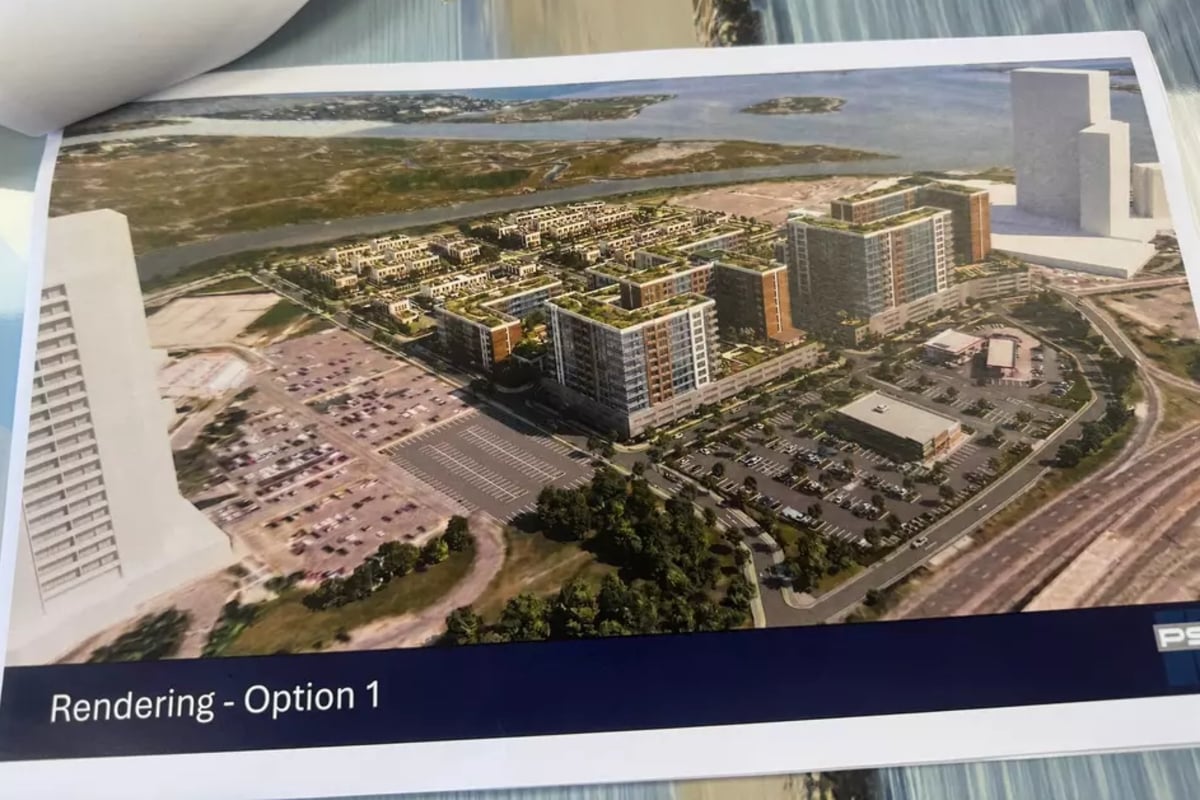
Earlier this month, Atlantic City Mayor Marty Small Sr. revealed that MGM Resorts was mulling a major housing development on the land it owns located between Borgata and Harrah’s in the city’s Marina District. Small detailed that MGM is considering three blueprints, ranging in size from 1,000 to 3,500 residential units.
The Atlantic City Council’s agenda for its July 22 meeting includes Resolution No. 479. If adopted, the resolution authorizes the city to negotiate a financial agreement with MAC Corporation, an MGM Resorts subsidiary, for the “redevelopment and improvement of areas in need of rehabilitation or development.”
MGM Housing Tax Break
MGM has long owned the land directly northeast of Borgata. The company took full operational control of the city’s top-performing resort in 2016 after buying out Boyd Gaming’s 50% stake for $900 million. While MGM has not spoken publicly about the housing project, plans under consideration could include a mix of apartments, condominiums, townhouses, and single-family homes.
Resolution No. 479 suggests that a favorable tax structure is needed to bring the housing plan to reality. The measure proposes allowing the development to be included in the state’s Long Term Tax Exemption Law, or New Jersey Statutes Annotated 40A:20-1.
“Due to the high cost of development within the City and the current tax rate, a Long Term Tax Exemption is needed to make the development of the Project Area financially feasible,” the resolution states. “The City and MGM wish to negotiate the terms of a financial agreement for a Long Term Tax Exemption to incentivize the development of the Redevelopment Area pursuant to the Amended Redevelopment Plan.”
City officials have made little secret of their desire to see the project move forward, noting in the resolution that the city “desires to see the Project Area developed due to its positive impact on the City.”
PILOT Program
New Jersey’s Long-Term Tax Exemption Law is one of the state’s primary urban redevelopment tools. It allows municipalities like Atlantic City to grant long-term property tax exemptions—often structured as payment-in-lieu-of-taxes (PILOT) agreements—to attract investment to designated redevelopment zones.
The resolution clarifies that MGM’s Marina District acreage falls within the city’s Amended Redevelopment Plan, making it eligible for the tax program.
Atlantic City’s nine casinos have participated in a separate, controversial PILOT framework since 2016. Under that law, the resorts pay collective property taxes calculated from physical casino gross gaming revenue (GGR), excluding online sports betting and iGaming.

 Most Read

Another Shooting Near Las Vegas Strip Casino Injures Man
 972,735 views

Vintners Oppose Napa Valley Casino
556,337 views


Conversation (1 comment)