How Much Is a King Worth in Blackjack?

Summarize this post
Key takeaways
- A King is worth 10 points in blackjack and it shares that value with the 10, Jack, and Queen
- Ace plus King as your first two cards is a natural blackjack and the payout depends on whether the table pays 3 to 2 or 6 to 5
- Two Kings make 20 and splitting is allowed at many tables, but it is almost never the right play for typical strategy
- Kings matter most in the decisions they create, especially in common trouble spots like hard 16 where the dealer upcard and table rules drive the best move
- Variants such as Spanish 21 keep the King at 10 points but change deck composition, which can shift optimal strategy
You sit down, get a King, and you already know what it means. You have 10 points in your hand. That is a strong starting point, and it is also one of the reasons blackjack moves fast. Hands jump in value quickly because there are so many 10 value cards in the deck.
A King is always worth 10 points. There is no flexibility and no situation in standard blackjack where it counts as anything else. Treat it exactly the same as a Queen, a Jack, or a 10.
Blackjack card values quick refresher
Cards 2 through 9 are worth their face value. The 10, Jack, Queen, and King are worth 10 points. The Ace is worth 1 or 11 depending on what keeps the hand from busting.
Why the King value matters for strategy
The reason Kings matter is not because they are special. The reason is that there are a lot of 10 value cards. In a standard deck, 16 cards are worth 10 points. That high concentration drives the pace of the game and the risk profile of many decisions.
When the dealer shows a 10 value upcard such as a King, the dealer is more likely to have a strong total behind it. When you start with a King, you are closer to 21 immediately. Totals like 11 become great doubling situations because any 10 value card, including a King, gives you 21. Even standing decisions assume the dealer can easily complete strong hands because 10 value cards show up often.

Image Credit: Ksinve/Shutterstock
Ace plus King equals natural blackjack
If your first two cards are an Ace and a King, you have a natural blackjack. The Ace counts as 11 and the King counts as 10, so the total is 21. That is the best possible start.
A natural blackjack only happens when the first two cards total 21. If you reach 21 with three or more cards, it is still 21 but it is not a natural blackjack. A hand like King 5 6 totals 21, but it pays even money at most tables.
Blackjack payouts that actually matter
At strong blackjack tables, blackjack pays 3 to 2. A 10 dollar bet wins 15 dollars and a 100 dollar bet wins 150 dollars. That payout is part of why blackjack can have a low house edge when played correctly.
At weaker tables, blackjack pays 6 to 5. A 10 dollar bet wins 12 dollars and a 100 dollar bet wins 120 dollars. This rule change increases the house edge sharply, and it is one of the easiest ways for a casino to turn a good game into an expensive one. Always check the table sign before you play and avoid 6 to 5 when you have a choice.
Pair strategy with two Kings
Two Kings make 20. You can split them at many tables, but you almost never should. A hard 20 is already a premium hand and it wins or pushes most of the time.
When you split Kings, you take a dominant hand and break it into two hands that begin at 10. Sometimes you get lucky and pull an Ace on both hands. More often you pull medium cards and end up playing two hands in the 16 to 18 range, which is far less comfortable than standing on 20 and letting the dealer deal into your strength.
There are rare exceptions that involve highly specific single deck situations and expert card counting. If you are not counting cards at a professional level, the practical rule is simple. Stand on 20 every time.

Image Credit: Ksinve/Shutterstock
Real hand scenarios with Kings
Here are a few common situations where a King shows up and the right play is mostly about your total and the dealer upcard rather than the card art itself.
- If you have Ace King as your first two cards, you stand. It is a natural blackjack and you only worry about a push if the dealer also has blackjack.
- If you have King King for 20, you stand. Splitting is allowed at many tables, but it turns one of the strongest hands in the game into two weaker starting hands.
- If you have King Ace 5 for 16 against a dealer 10 value upcard, you are in a bad spot. If surrender is available, it is often your best option. If surrender is not available, hitting is usually the right move because standing loses too often.
- If you have 6 King for 16 against a dealer 6, you usually stand. The dealer is more likely to bust from that position, and hitting risks busting your own hand first.
- If you have 16 against a dealer King, you usually hit. A 10 value dealer upcard puts pressure on you, and standing on 16 in that spot tends to bleed chips over time.
Variants where the mix changes
In Spanish 21, all four 10s are removed from the deck while the face cards remain. The King is still worth 10 points, but there are fewer 10 value cards overall. That changes the probabilities that standard blackjack strategy relies on. Spanish 21 usually balances this with player friendly rules and bonus payouts for certain hands. The important part is to recognize that the math has shifted, so you should not assume standard decisions are always correct.
Common mistakes players make with Kings
One of the most common mistakes is confusing a natural blackjack with any 21. A two card Ace King is a natural blackjack and it pays a bonus at many tables. A three card 21 is still a win, but it typically pays even money.
Another expensive mistake is splitting King pairs or any 10 value pairs. Players do it for excitement, but it usually takes a strong position and turns it into two weaker ones.
The third mistake is ignoring rule variations. If the table pays 6 to 5 on blackjack, your best hand is being underpaid. Other rule differences matter too, including whether the dealer hits soft 17 and whether surrender is available. If you do not check the rules, you can make the right play for the wrong game.
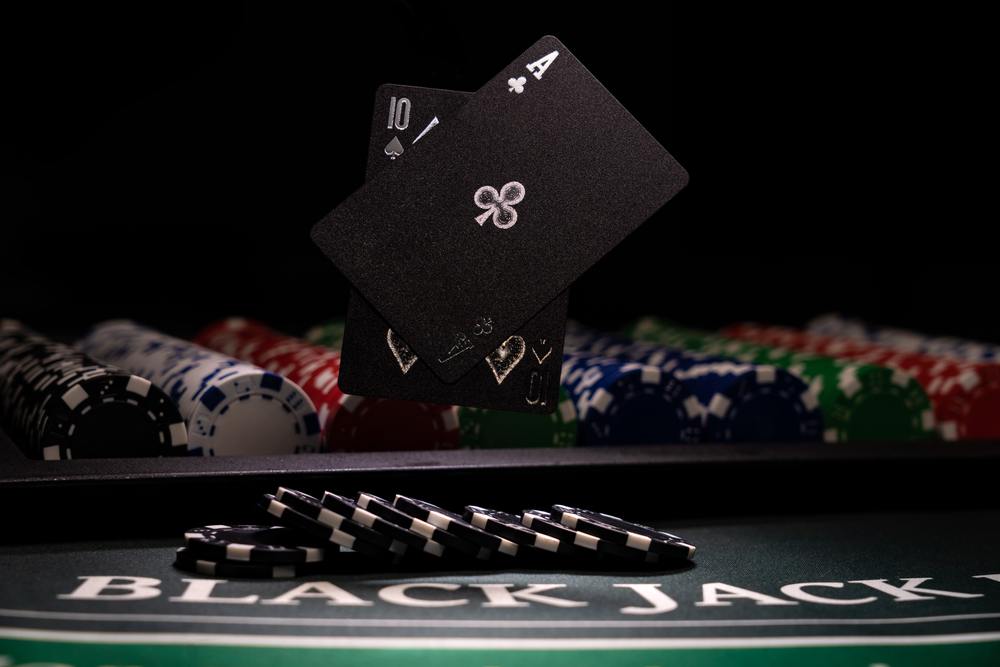
Image Credit: Ksinve/Shutterstock
Frequently asked questions
A King is worth 10 points.
Yes. Kings, Queens, and Jacks are face cards and each is worth 10 points.
Yes, when they are your first two cards.
Yes at many tables, but you almost never should.
The King remains worth 10 points. What changes in some variants is the deck makeup and the payouts.
Royal Power Card
A King is worth 10 points in blackjack. It behaves exactly like any other 10 value card. An Ace and a King as your first two cards is a natural blackjack, and the payout you get depends on the table rules. Two Kings make 20 and splitting is almost always a mistake. Once you have those points down, the rest is decision making and table selection.
Title Image Credit: Ksinve/Shutterstock