 Main menu

Sports Betting
Eliminated Teams, But Not Eliminated Bettors: 65% of Fans Keep Wagering Post-World Cup Ouster
Posted on: May 26, 2026, 12:42h.
Last updated on: May 27, 2026, 06:36h.


- Optimove World Cup study delves into retention opportunities for operators
- Data suggests 65% of American bettors intend to keep wagering even after national teams are ousted
- Canadian operators talk about unique engagement opportunities that the World Cup offers
Most 2026 FIFA World Cup bettors intend to keep wagering even after their national team has been eliminated from the tournament, an Optimove Insights study has revealed.
Time to Refine Retention Strategies
In the company’s 2026 US World Cup Betting Intentions Report, only 3% of those surveyed said they will stop betting entirely, with 65% planning to continue betting after their national team is out.
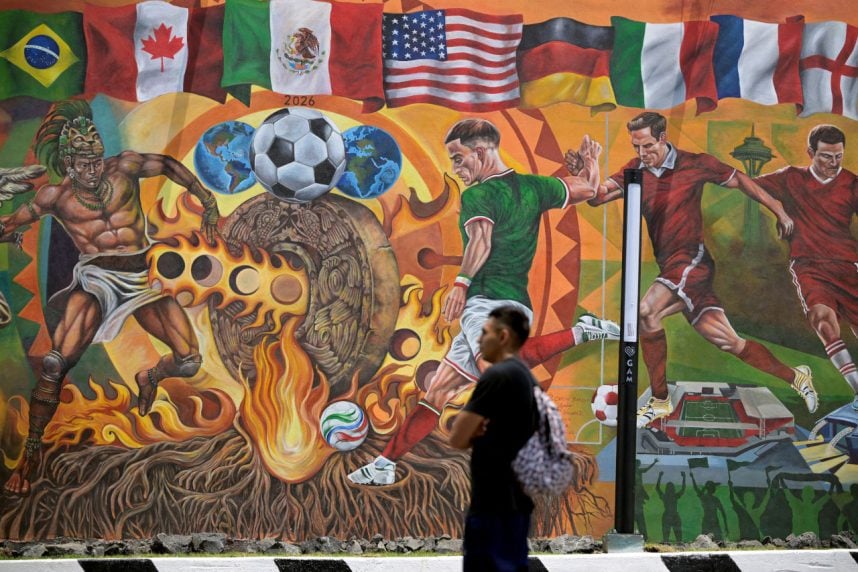
The opening match for the World Cup is in Mexico City on June 11, with matches in Mexico, the U.S. and Canada. The final is scheduled for July 19 at MetLife Stadium in East Rutherford, New Jersey.
Other highlights from the Optimove study: 17% plan to continue betting at a reduced frequency, after their team gets ousted.
Also, when their team is out, 67% said they will follow a star player they admire (France’s Mbappé, Brazil’s Vinicius Jr., and England’s Bellingham named most often), 46% will support an underdog, and 43% will bet on the team that eliminated their national team.
World Cup Opens in Mexico June 11
Optimove provides AI-driven CRM and marketing automation tools for igaming and sports betting operators, helping those companies to personalize player engagement, retention, bonuses and ongoing lifecycle marketing.
The organization often releases marketing studies around big sporting events, like March Madness for NCAA men’s and women’s basketball finals, and the Super Bowl.
Optimove Founder and CEO Pini Yakuel noted that the findings present a major opportunity for operators to refine their retention strategies, calling the two-thirds of U.S. bettors intending to keep wagering “a highly significant metric.”
Almost three-quarters of U.S. bettors plan to place at least one wager on the 2026 FIFA World Cup, with 60 per cent of those people describing themselves as very confident in their betting knowledge about the event. Another 24 per cent describe themselves as moderately confident.
76% Said They Will Continue to Bet After World Cup Ends
Eighty-four percent plan to engage with live or in-play betting, with 58% planning multiple bets per match. Sixty percent said that an offer or bet tied to their team or the players they follow is the most important factor in whether they open a sportsbook communication.
A whopping 76% said they will continue to bet on soccer after the World Cup ends, with 70% moving to UEFA Champions League, 58% to the English Premier League, and 53% to La Liga. Sixty-nine percent plan to use two or more sportsbooks during the World Cup.
As Yakuel added, the majority of American bettors surveyed are open to a reason stay involved.
Canadian Summit Panel on World Cup Betting
Those are the types of lessons Canadian-based operators are taking to heart, according to a panel discussion on the topic at last week’s SBC Summit Canada held in Toronto. Vancouver and Toronto are both hosting matches, with 104 games, 48 teams competing, over 40 days overall.
Anthony Gaud, Founder & CEO, Gaud-Hammer Gaming Group, and the host of the panel, described the size and scale of the World Cup from a betting perspective as “40 times” the size of the Super Bowl.
Operators in Canada are banking on a surge of new bettors and brand engagement, with a heavy marketing focus on personalization, said Tim Whitehead, Director, Sportsbook Operations, DraftKings.
The time zone is a big difference, favorable for North American players” he said. “There’s the local representation, the fandom. Canada has their best team ever (currently ranked 30th in the world, according to FIFA), a favorite to make it out of the group stage.
“If Canada, U.S. and Mexico can make deeper runs into the tournament, that’s going to increase the engagement and the staying power of the tournament from a sales perspective.”
Home Team Advantage
DraftKings will introduce its largest selection of player props and team markets to date for the World Cup, according to Whitehead. Meanwhile, Greg Sindall, Senior Director of Digital Sports Product at OLG, called the tournament “the last big, real acquisition opportunity” for the Ontario iGaming market, noting that 46% of Ontarians are expected to place a wager.
The final of the last World Cup was played in December 2022, eight months after the Ontario regulated igaming market went live, so operators can apply the lessons learned from the last one, added Sindall.
Yohan Mathew, Director of Marketing, BetMGM, said they will be leaning into local with their promotional campaigns.
“At the same time we’ll honestly be following the storyline of the tournament and watching the underdogs come rising up, or see big rivalry matchups coming in,” he said.
More Teams, More Matches
The fact the World Cup has been expanded this year, with more teams and more games, presents more opportunity for engagement, Mathew added.
“There’s going to be a few challenges along with that as well, where there’s going to be some pretty big mismatches at some parts of group play, so we’re going to think about how you are going to keep your customers engaged,” he said.
All the operators on the panel were saying the same thing – lots of localization around Canada and the U.S., but a bettor might support Argentina because of Messi, or another might have grandparents that grew up in Germany.
There needs to be experiences for them all. It’s about melding in top-rated product with customer experience, creating an organic journey for the user, added Whitehead.
Lean Into Localization
The takeaway from big acquisition events like the World Cup is that it’s about precision over scale, he said. Use the time you have initially with the casual player and introduce them to the other sports betting opportunities on the platform, but also the platform’s other verticals.
“Certainly top of funnel you’re going to get a ton of new players coming through, but it’s going to be on us to find that balance between the right CPAs, acquiring players that are actually going to be valuable, and then delivering an experience where they’re going to want to stick around and stay on the platform.” said Whitehead.
“Find that balance, lean into the localization, remembering that Toronto is a very diverse population, and then the tactical plan will follow from there.”

 Most Read

Another Shooting Near Las Vegas Strip Casino Injures Man
 972,671 views
Vintners Oppose Napa Valley Casino
556,276 views


Conversation (0)
Be the first to comment on this article.