 Main menu

Legal
Wisconsin Tribe Expands Kalshi Lawsuit, Alleges Prediction Market Infringing on Gaming Sovereignty
Posted on: June 18, 2026, 12:41h.
Last updated on: June 19, 2026, 07:36h.


- The Ho-Chunk Nation is asking a federal court to block Kalshi’s sports prediction markets on tribal lands
- The tribe contends that Kalshi and its partner, Robinhood, acknowledge they’re operating gaming
The Ho-Chunk Nation of Wisconsin has amended its federal complaint against Kalshi and Robinhood in hopes of reviving allegations that the platforms are falsely advertising illegal sports betting on its sovereign lands.
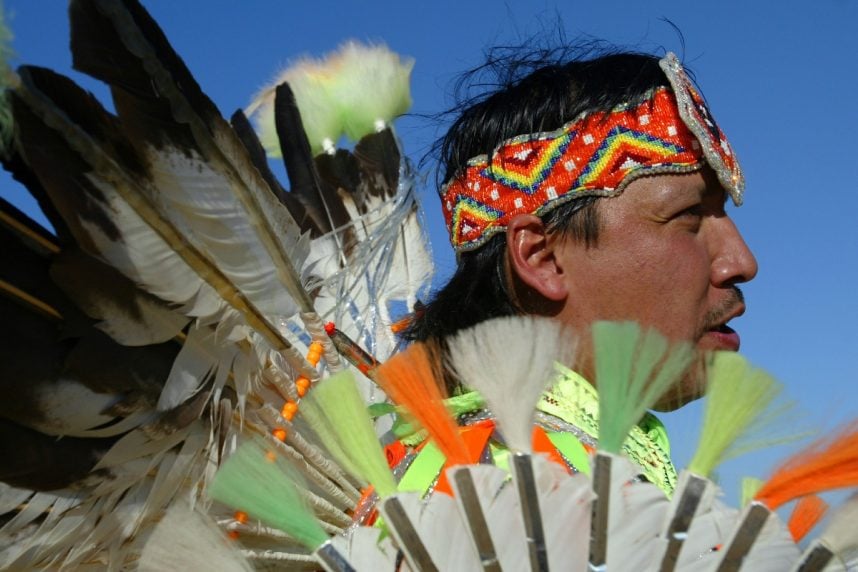
Kalshi and Robinhood allow their prediction markets to be accessed in Indian country, including on lands controlled by the Ho-Chunk Nation. The tribe, which maintains a Class III gaming compact with Wisconsin, says Kalshi’s claims that its products are “50 State Legal” constitute false advertising.
The Nation alleges that Kalshi’s statements that its offerings are ’50 State Legal’ are actionable as false statements because the Indian Gaming Regulatory Act (IGRA) is clear and unambiguous on its face as it pertains to Class III gaming on the Nation’s Indian Land, and has been for 35 years, and IGRA has been affirmed by the Supreme Court,” the filing in Wisconsin’s Western District Court reads.
In layman’s terms, the nation contends that IGRA allows only compacted tribes to conduct gaming on tribal lands. The lawsuit alleges that Kalshi’s sports event contracts meet IGRA’s definition of Class III gaming.
The Ho-Chunk Nation wants a federal judge to order Kalshi and Robinhood to cease operating sports event contracts within tribal territories.
Case Continued
The Ho-Chunk Nation filed its lawsuit against Kalshi and Robinhood in August 2025. In May this year, a federal judge ruled that the tribe’s complaint had merit to proceed but dismissed claims that the defendants are violating the Lanham and Racketeer Influenced and Corrupt Organizations Acts.
The nation is repleading its case that the federal statutes apply. The tribe, which operates six casinos in Wisconsin, says Kalshi regularly markets its sports trading options as gaming products.
IGRA designates Class III gaming tribes as the only entities that can conduct gaming on sovereign Indian lands. Class III gaming includes “any house banking game,” “any slot machine,” and “any sports betting.”
“The Nation relies on IGRA to allege that Kalshi’s ’50 States Legal’ statements are false, or at a minimum, misleading,” the complaint declares. “Kalshi used ‘Sports Betting’ or ‘Sports Gaming’ because consumers would have been less likely to use the platform had Kalshi accurately described its platform as ‘a designated contract market offering event contracts under the Commodity Exchange Act,'” the complaint contends.
Tribal Support
A powerful coalition of native organizations and tribes has mobilized to back the Ho-Chunk Nation’s federal lawsuit against Kalshi and Robinhood.
Seven prominent groups—including the Indian Gaming Association, the National Congress of American Indians, and several state-specific gaming associations—jointly filed a friend-of-the-court brief supporting the case. They were joined by 16 additional federally recognized tribes who warn that online prediction markets present an existential threat to tribal gaming sovereignty.
The necessary implication of a decision in Defendants’ favor is that no tribe, anywhere in the United States, can enforce its own or IGRA’s prohibitions on illegal gaming against those engaged in illegal gaming on tribal lands,” the supporters wrote.
Kalshi and Robinhood counter that their prediction markets are federally regulated, and tribal gaming laws do not apply.

 Most Read

Another Shooting Near Las Vegas Strip Casino Injures Man
 972,739 views

Vintners Oppose Napa Valley Casino
556,342 views


Conversation (0)
Be the first to comment on this article.