 Main menu

Technology
Twitch Ban on Content with Gambling Links Too Little Too Late, Critics Say
Posted on: August 17, 2021, 08:51h.
Last updated on: August 17, 2021, 01:12h.


Live-streaming platform Twitch has banned the sharing of gambling referral codes and links to online betting sites. The move comes amid concerns about Twitch influencers promoting unlicensed operators to their largely underage following.
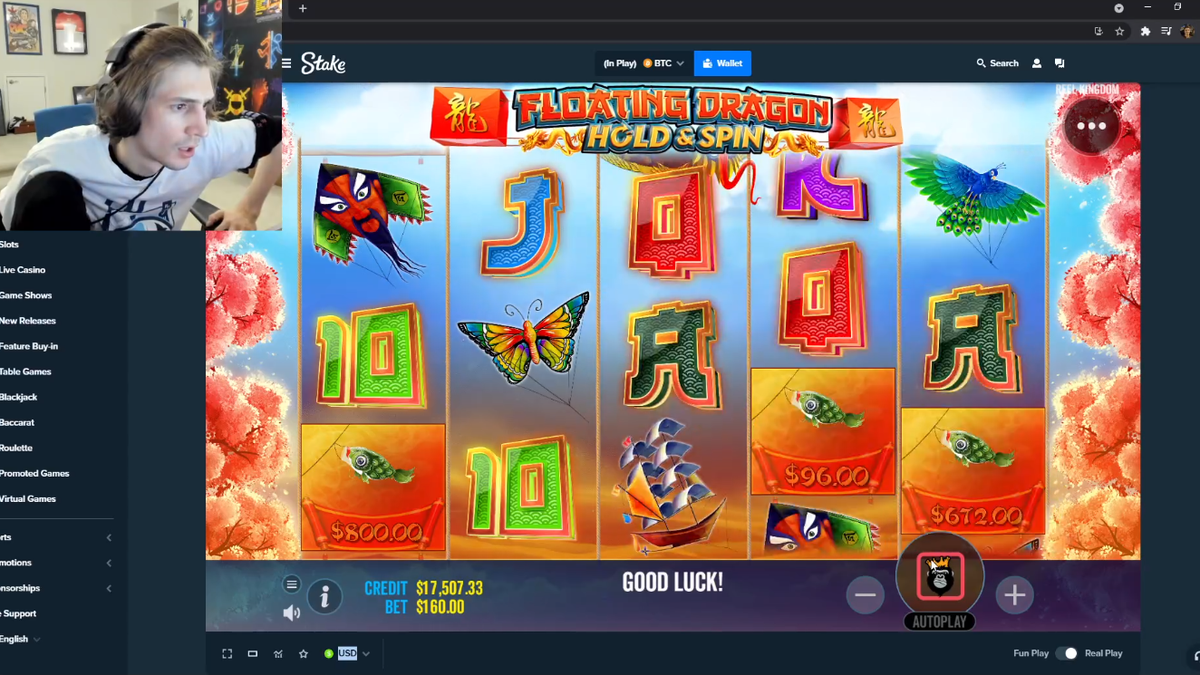
In a creator update last week, Twitch gave its streamers until today, Tuesday, Aug. 17, to remove any content that contained the offending links. The company will continue to monitor for gambling-related content.
The new policy follows revelations that some prominent Twitch users were earning millions from crypto-gambling sites for streaming their slots play to their fans.
Million-Dollar Paychecks
According to a recent WIRED investigation, top gambling streamer Adin Ross, based in Florida, received between $1.4 million and $1.6 million a month to stream gameplay from a site called Duelbits. Duelbits is not licensed by any US jurisdiction.
WIRED found that 64 of Twitch’s top 1,000 most-trafficked Twitch streamers had either streamed crypto slots or obtained sponsorship deals from crypto operators. Some of these streams were attracting more than 100,000 live viewers from a community where 21 percent of users are between 13 and 17 years old.
But many feel that Twitch did not go far enough. Streamer Devin Nash, who has been critical of fellow influencers promoting gambling, tweeted that the move was a “lame half-measure” that could be easily circumvented. Streamers can simply link referral codes to other social media platforms like Twitter or Linktree.
Esports streamer Asmongold tweeted that Twitch should have banned gambling streaming entirely, or at least introduced an age-gate to such content. Otherwise, the new rules “don’t do anything other than pay lip service to concern while still profiting,” he said.
Shady Dealings
While the number of influencers promoting gambling content on Twitch hit new heights in 2021, it has been an issue for years.
In 2016, the Federal Trade Commission charged two prominent social media influencers, Trevor “TmarTn” Martin and Thomas “Syndicate” Cassell, for promoting a skins gambling site, CSGO Lotto, for which they had failed to declare an ownership interest.
According to the FTC complaint, the pair employed an “influencer program” and paid other gaming influencers between $2,500 and $55,000 to promote the site.
In the same year, another influencer, James “Phantoml0rd” Varga, was kicked off Twitch for also failing to disclose the ownership of a site he promoted, and for rigging games to make it appear easier to win.

 Most Read

Another Shooting Near Las Vegas Strip Casino Injures Man
 972,634 views

Vintners Oppose Napa Valley Casino
556,240 views


Conversation (0)
Be the first to comment on this article.