 Main menu

Tribal Gaming
Support Grows in East Texas for Federal Bill to Save Embattled Alabama-Coushatta Gaming Hall
Posted on: July 11, 2019, 04:07h.
Last updated on: July 11, 2019, 12:02h.


Counties in East Texas are increasingly expressing their support for the Alabama-Coushatta tribe, which has been engaged in a pitched legal battle with Texas state officials since it opened a bingo hall three years ago.
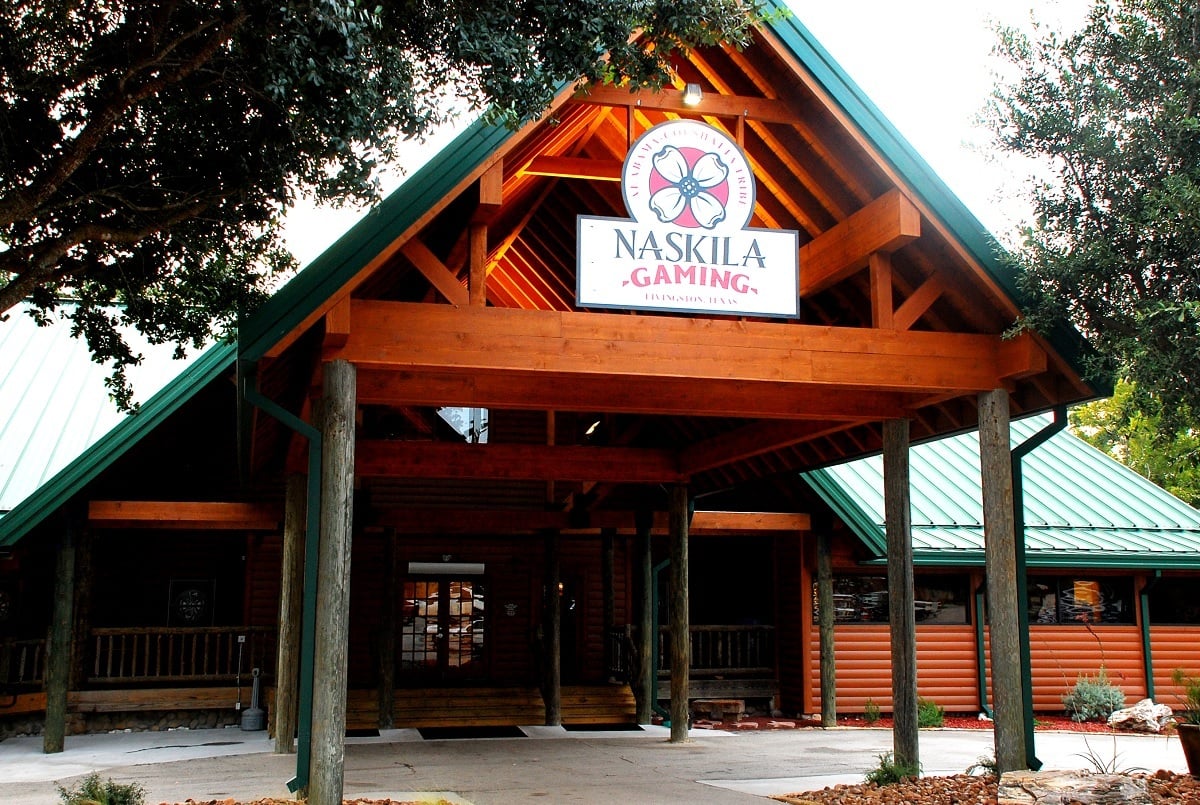
Texas Attorney General Ken Paxton wants to close down the Naskila gaming hall in Livingston, Polk County, and is demanding a $10,000 penalty for every day the facility has been open since May 2016 – that’s now well north of $10 million in fines.
Naskila offers class II gaming, mainly electronic bingo machines, which it believes is its right under the Indian Gaming Regulatory Act (1988). After all, that’s exactly what the Kickapoo Traditional Tribe does 400 miles away on the other side of Texas at the state’s only legal gaming facility, The Lucky Eagle Casino. In fact, it has done so with impunity for the last 20 years.
So what’s the difference?
Timing is Everything
Generally speaking, IGRA permits federally recognized tribes to offer class II gaming – which is a notch down from full-blown house-banked casino gaming – on their sovereign land without the permission of the state
The Alabama-Coushatta became federally recognized in 1987, just one year before IGRA’s enactment, at the same time as the Ysleta del Sur Pueblo (Tigua) of El Paso.
But the act that granted the tribes recognition also included a non-gaming clause, which stipulated that that “gambling, lottery, or bingo, as defined by Texas’ laws, on the tribe’s reservation and on tribal lands” would be prohibited.
The Kickapoo, recognized just two years earlier in 1985, was not bound by a no-gaming clause.
The Alabama-Coushatta and the Tigua have argued that they were coerced into agreeing to the terms because some members of Congress threatened to block the passage of the bill unless they accepted the provision prohibiting gaming.
Bipartisan Support
Now, another federal bill, sponsored by US Rep. Brian Babin (R-Texas) and has the bipartisan support of 25 co-sponsors seeks to redress the balance and have the anti-gaming clause wiped out for both the Alabama-Coushatta and Tigua.
They opened this thing up about three years ago and the State of Texas has come after them,” Babin told East Texas Matters. “After studying this thing, I said this is just simply not right… This is economic development, this is jobs, this is something that is really helping this tribe out.
“It’s a matter of fairness, that’s what this bill is all about,” he added. “Treat the Alabama-Coushatta the way the Kickapoo Tribe of Texas is being treated.”
The tribe is trying to build local support for federal bill House Resolution 759 and has asked a number of Texas counties to introduce resolutions in support of their cause. So far, Polk County, Madison County, and others have come on board.
The bill was introduced after a federal appeals court in January sided with the state on the legality of the Naskila gaming hall
“There are 371 full-time jobs at stake, and we have a moral obligation to fight or every one of the people working at Naskila Gaming,” said Tribal Chairperson Cecilia Flores, in response to that ruling. “Our alcohol-free facility is making a significant difference in the lives of East Texans and we will continue to pursue every legal avenue to continue operating Naskila Gaming on our Tribal lands.”

 Most Read
Another Shooting Near Las Vegas Strip Casino Injures Man
 972,609 views
Vintners Oppose Napa Valley Casino
556,222 views


Conversation (2 comments)