 Main menu


iGaming
Ohio iGaming Push Paused Until Gov.-Elect Amy Acton Takes Office
Posted on: November 11, 2026, 08:09h.
Last updated on: November 11, 2026, 08:09h.


Key Points
- Two Ohio iGaming bills are unlikely to advance before the legislative session ends Dec. 17
- Gov.-elect Amy Acton has expressed openness to iGaming as a potential revenue source
- Online casino gambling is currently legal in just eight states, including neighboring Pennsylvania and West Virginia


There are two iGaming bills that remain in the Ohio General Assembly, but neither is expected to move before the 136th session ends next month.
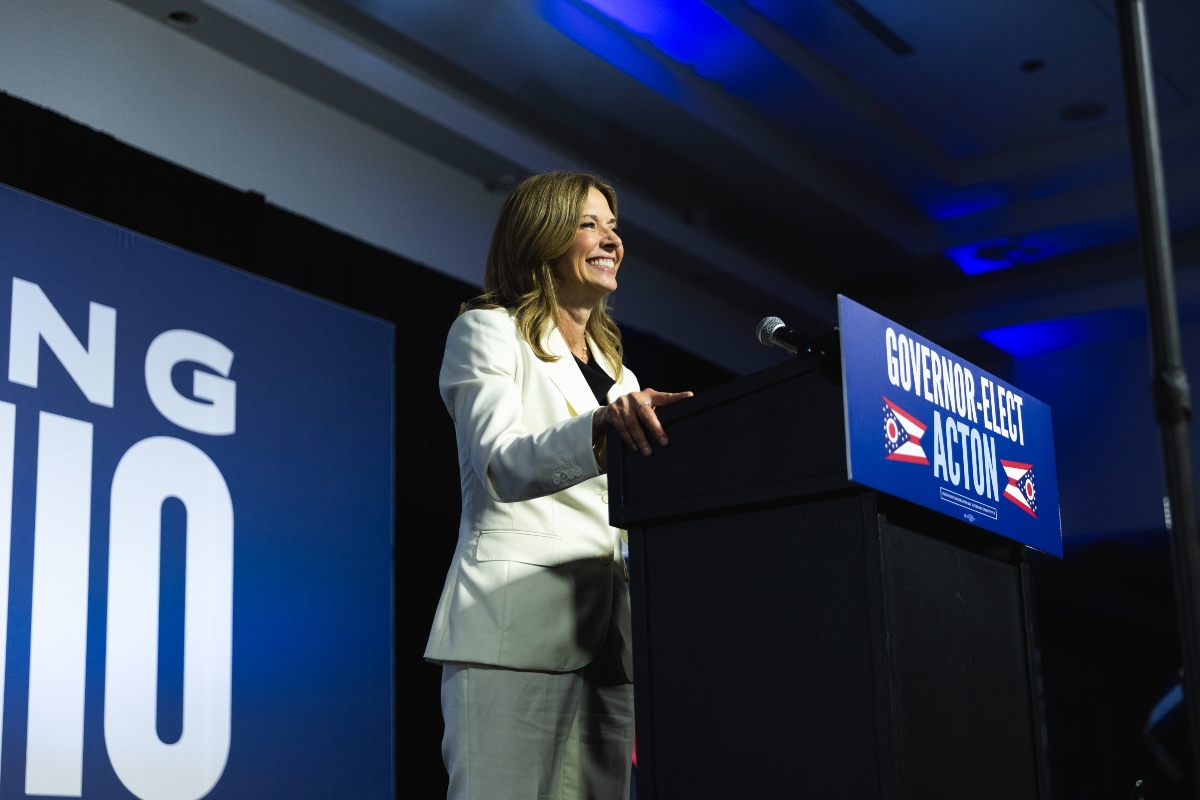
Proponents of online casino gambling in Ohio scored a major victory during the Nov. 3 midterms, as Democratic Gov.-elect Amy Acton defeated Republican Vivek Ramaswamy.
Acton succeeds term-limited Republican Mike DeWine, who had become a fierce opponent of expanding online gambling despite signing the state’s sports betting law. Acton is open to iGaming, boosting the prospects for future legislation beyond what this session’s stalled measures—House Bill 298 and Senate Bill 197—were able to achieve.
HB298, introduced by Rep. Brian Stewart (R-Ashville), proposed authorizing online casino platforms licensed through partnerships with existing casinos and racinos. The bill included a 28% tax on iGaming gross gaming revenue (GGR).
SB197, introduced by Sen. Nathan Manning (R-North Ridgeville), sought a broader expansion of iGaming to include iLottery and online parimutuel horse racing. Manning stepped down from the state Senate after Gov. DeWine appointed him to the Ninth District Court of Appeals in July to replace retiring Judge Donna Carr, a judicial seat he successfully retained in this month’s election.
Action with Acton?
Acton, the first Democrat to win the state’s highest office in two decades, ran on bringing down costs. The incoming governor has indicated she would consider an online gambling bill if it helps ease taxpayers’ financial burden.
Certainly, I see it as a source of revenue that can help fund the proposals that we need to help bring down the cost of living in this state and provide for the services we need to fund,” Acton told the Statehouse News Bureau in September.
The state’s former health director would want to ensure that more gambling doesn’t lead to more gambling problems and associated societal consequences.
“That said, I am a doctor and a public health professional, and I want to make sure we have the right regulatory environment around it. I want to make sure we stop the sort of predatory advertising we’re seeing, and I want to make sure our young people are protected,” Acton said.
The governor-elect said she would only support iGaming with a “very nuanced and comprehensive strategy.”
Ohio is one of only five state legislatures still in session. The 2026 session ends on Dec. 17, and bills do not carry over to 2027, which is set to begin on Jan. 4.
iGaming Remains Limited
Unlike sports betting, iGaming legalization has moved at a slow pace.
Only eight states have passed online casino bills, including Delaware (2012), New Jersey (2013), Pennsylvania (2017), West Virginia (2019), Michigan (2019), Connecticut (2021), Rhode Island (2023), and Maine (2026).


 Most Read

Another Shooting Near Las Vegas Strip Casino Injures Man
 973,062 views

Vintners Oppose Napa Valley Casino
556,652 views


Conversation (0)
Be the first to comment on this article.