 Main menu

Asia Pacific Gaming
Macau Lawmaker Calls Out Gaming Regulator on ‘Collusion’ with Casino Operators
Posted on: January 21, 2021, 03:07h.
Last updated on: January 21, 2021, 03:53h.


Macau’s gaming regulator is too cozy with the casino operators it’s tasked with overseeing, according to one lawmaker in the special administrative region, Macau Business reports.
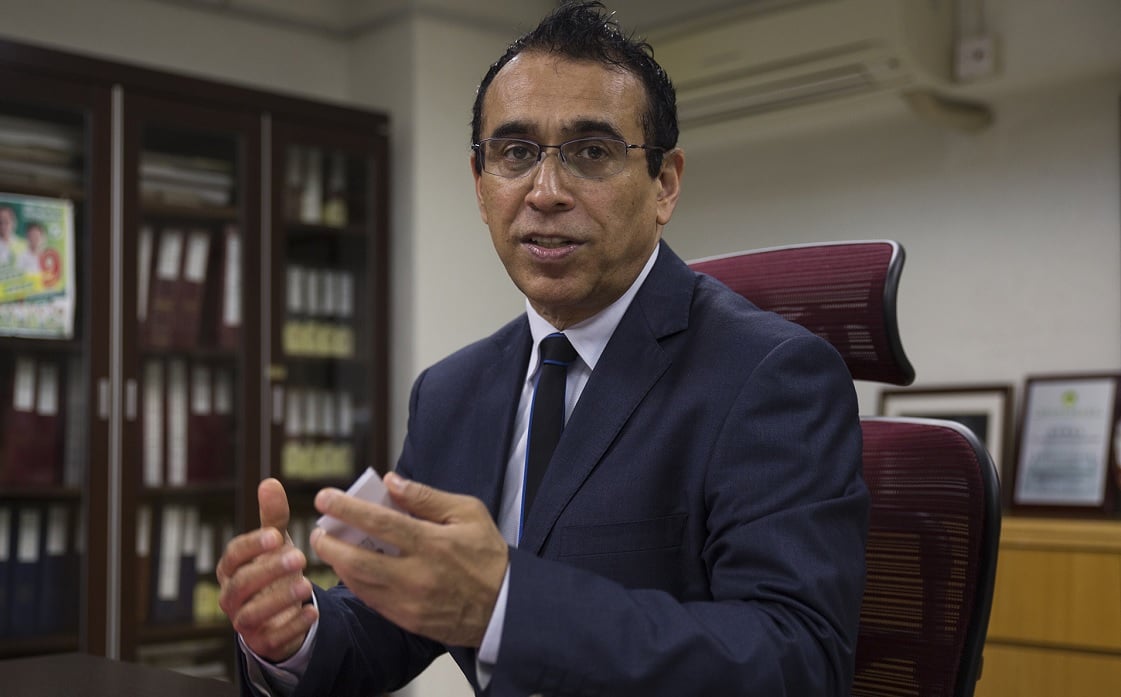
On Wednesday, legislative assembly member José Pereira Coutinho complained that a state of “permanent collusion” existed between the Gaming Inspection and Coordination Bureau regulator (DICJ) and its licensees. It was time for Macau’s top official, chief-executive Ho Iat Seng, to intervene, particularly when it came to employment abuses, he said.
According to Coutinho, operators have found it easy to pressure unwanted workers into resigning, because getting fired would see them added to a regulators’ backlist. This would make it impossible to find a job with any other company within the casino industry.
‘Social Confusion’
Many of these disenfranchised ex-casino workers are nonresidents who came to Macau from other Asian countries. Now, they “drift about the streets of the city, some asking for money to buy food, and others asking for support from local associations,” said Coutinho.
This has been exacerbated by recent changes to the law regarding the hiring of nonresident workers. From October 6, all foreign employees must possess an “entry certificate” for employment purposes.
That means those who entered the SAR prior to the change in the law and have since lost their jobs could be without the documentation necessary to find another one, a situation that has caused “social confusion,” Coutinho said.
‘Systematic Abuses’
“Incredibly, the government is aware of these situations, but it does not act in time to alleviate the suffering of the workers made redundant,” he continued, as translated by Macau Business.
“…One cannot understand why the competent authorities in the area of the Secretariat for Economy and Finance close their eyes to these systematic abuses as if they had nothing to do with their professional skills, obligations, and responsibilities.”
“The abuses practiced by some gambling concessionaires have been widely denounced … [but] the competent authorities, out of stubbornness, do not intervene and are not even interested in knowing,” he added.
Countinho’s words come shortly after DICJ Deputy Director Leong Man Ion suddenly stepped down from his role, citing personal reasons.
DICJ is currently laying the groundwork for the forthcoming gaming relicensing tender. The six licensees’ 20-year permits are due to expire for the first time in 2022. Operators are expected to keep their licenses, known as “concessions,” but with new regulatory terms.

 Most Read
Another Shooting Near Las Vegas Strip Casino Injures Man
 972,624 views

Vintners Oppose Napa Valley Casino
556,232 views


Conversation (0)
Be the first to comment on this article.