 Main menu

Poker
Dallas Poker Rooms Can’t be Shut Down Yet, Judge Rules
Posted on: December 2, 2022, 02:26h.
Last updated on: December 2, 2022, 03:55h.


A judge in Dallas has ruled that city officials can’t shutter a popular poker room until a dispute over the legality of its operations is fully resolved in the courts.
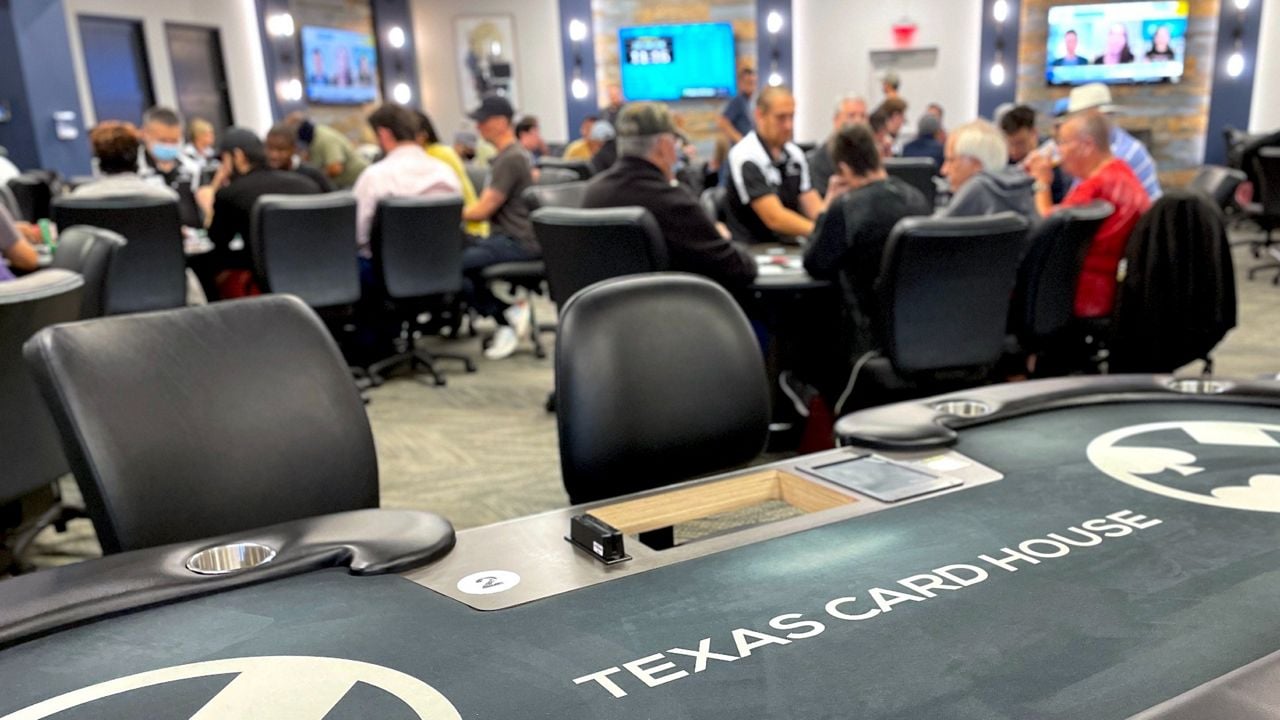
Dallas County District Judge Eric Moye determined last month that the city was justified in revoking the Texas Card House’s permit and agreed the business violated Texas gambling laws.
He said Monday that the city cannot force the club to close or otherwise interfere with its operations until that decision is upheld on appeal. The matter is expected to go all the way to the Texas Supreme Court, which could take years.
The Texas Card House is one of three poker rooms currently operating in Dallas. The city wants to close them all.
Defense from Prosecution
The venues argue they’re private clubs and therefore exempt from prosecution under the Texas Penal Code.
The code states: “It is a defense to prosecution [for gambling]” if “the actor engaged in gambling [is] in a private place; no person received any economic benefit other than personal winnings; [and] except for the advantage of skill or luck, the risks of losing and the chances of winning were the same for all.”
The venues argue they don’t profit from gambling because they don’t take a rake from the pot, as a casino would. Instead, they charge customers by the hour to be present at the club.
Critics say the carveout was intended to be for private games in private residences and not commercial enterprises.
Bill Would Legalize Commercial Poker
Meanwhile, State Rep. Gene Wu (D-Houston) is looking for a legislative solution to the problem. A bill he introduced last week would amend the term “private place” to “private residence.” The lawmaker told The Dallas Observer this week that part of the bill was omitted by a “filing error.”
Wu says the full text would allow commercial poker clubs to stay open provided they’re licensed and regulated by the counties in which they’re located.
Where this would leave the Texas Card House and other Dallas poker rooms is unclear. But it would essentially legalize commercial poker rooms in Texas, provided local officials are OK with them.
Frustratingly for the Texas Card House, local officials were initially OK with their poker room, right up to the point where they suddenly weren’t.
The club’s owner, Ryan Crow, entered a lease agreement in December 2019 and received city-issued certification in October 2020. In January 2022, he suddenly received notice that he was “keeping a gambling place” and would have to close. The club’s permit was revoked just 15 months after it had been approved.

 Most Read
Another Shooting Near Las Vegas Strip Casino Injures Man
 972,584 views

Vintners Oppose Napa Valley Casino
556,205 views


Conversation (1 comment)