 Main menu

Lottery
Clueless Lottery Player Misses Out on £11M Jackpot
Posted on: July 26, 2024, 08:49h.
Last updated on: July 26, 2024, 10:43h.


When a UK man matched all six numbers on the country’s National Lottery, he naturally began dreaming of how to spend the £11 million (US$14.2 million) jackpot.
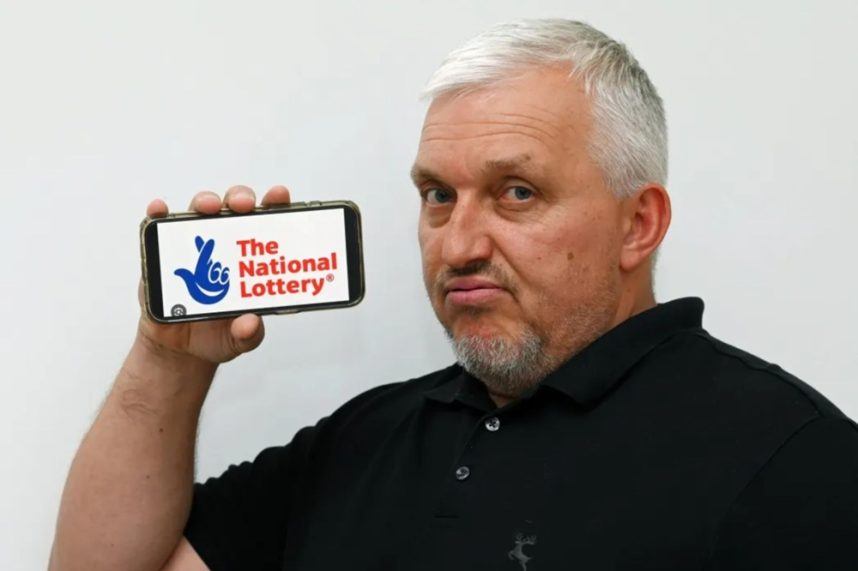
Mark Fletcher, a 49-year-old dad from Wigan, England, faded odds of 41 million to one to correctly guess the numbers of the June 29 draw. The only problem was, unbeknownst to him, he hadn’t actually bought a ticket. They say you’ve got to be in it to win it, and Fletcher most certainly was not “in it.”
Fletcher phoned the Lottery after he checked the numbers on the app, which indicated a “winning match.”
However, the woman on the phone informed him he had been looking at the results on the Lottery app’s results checker, not an actual winning ticket.
When using the app, players can select a set of numbers, which they can save on their account as “my numbers.” Then they can use the results checker to check them against any previous draw.
But if you want to actually win the lottery, you have to buy a ticket. A lottery spokesperson confirmed that not only did Fletcher not buy a ticket for the June 29 draw, but he had also never bought a ticket for any previous draw via the app.
Lottery ‘Cruelty’
Well, that’s cleared that up then. Except, in an interview with his local newspaper, Wigan Today, it’s as though Fletcher still isn’t sure about what happened.
“I was on the phone for 45 minutes and the woman was adamant I wasn’t a winner,” he complained. “Then I asked why it was telling me I’d won and if there was a fault with the app, and they denied that also.
… She kept saying, ‘you haven’t bought that ticket, have you, Mark?’” an experience Fletcher described as akin to “being put under a lie-detector.”
“When people play the Lotto, they think it’s a trustworthy service but I’m doubting that now,” he confided. “They’ve not shown any empathy towards me.”
Fletcher said the “cruel” experience had left him with sleepless nights thinking about “what ifs.”
£35M Misstep
He isn’t the only British lottery player to believe they had hit the big one, only to have their dreams dashed. In 2015, Edwina and David Nylan, from Fleetwood, England, were also left thinking about “what ifs” when their numbers came up in a £35 million (US$45 million) jackpot draw. They had also neglected to buy a ticket.
The couple played via their online account every week using the same numbers, although on this particular occasion, the ticket purchase had failed because they only had 60p in their account.
British tabloid The Sun ran a story that week featuring images of the Nylans looking suitably downcast.

 Most Read
Another Shooting Near Las Vegas Strip Casino Injures Man
 972,740 views

Vintners Oppose Napa Valley Casino
556,343 views


Conversation (0)
Be the first to comment on this article.