 Main menu


Canadian Gaming
New Brunswick Explores Regulated iGaming Expansion Beyond Provincial Monopoly
Posted on: October 21, 2026, 10:25h.
Last updated on: October 22, 2026, 07:38h.


Key Points
- New Brunswick is exploring commercial iGaming regulation, potentially following Ontario and Alberta's competitive market models
- Atlantic Lottery estimates unregulated gambling sites divert approximately CA$200 million annually from Atlantic Canada
- Quebec's newly elected Parti Québécois government also campaigned on introducing a regulated private iGaming market


New Brunswick is reportedly “exploring options” to legalize commercial iGaming, potentially following Ontario and Alberta in opening its market to private operators, according to the Telegraph-Journal.
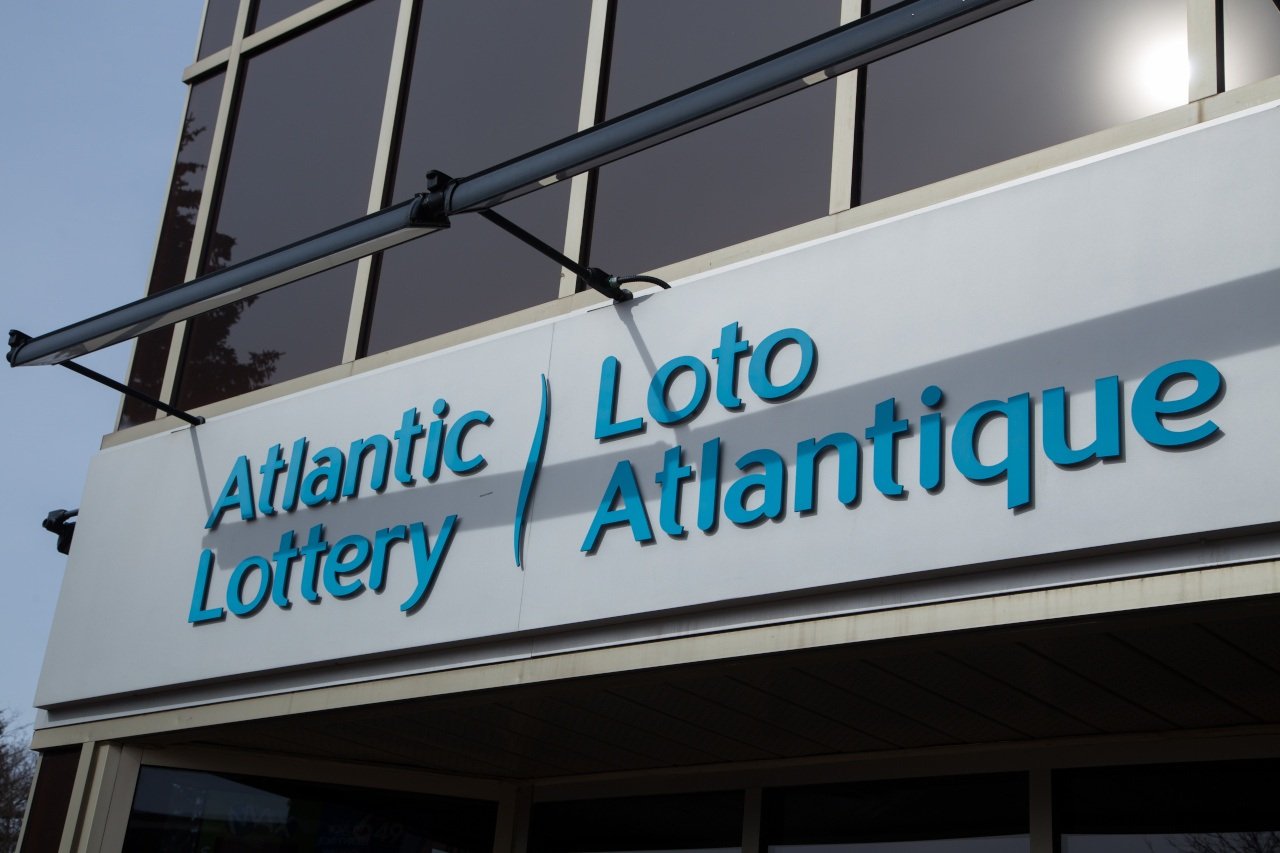
iGaming in Canada’s eastern province is currently offered by the Atlantic Lottery Corporation (ALC), a government-owned organization that operates lottery, sports betting, and online casino products on behalf of Nova Scotia, New Brunswick, Prince Edward Island, and Newfoundland and Labrador.
New Brunswick Considers Regulatory Changes
New Brunswick Finance Minister René Legacy confirmed to The Telegraph-Journal that Premier Susan Holt’s administration is considering changing the province’s iGaming regulatory model, driven by concerns that the province is losing millions in annual gambling revenue to unlicensed platforms. The ALC currently splits its profits among the four Atlantic provinces.
Ontario pioneered Canada’s open commercial model in 2022 and recently reported CA$396.3 million ($281.54 million) in total non-adjusted gross gaming revenue (NAGGR) for August, with nearly 50 licensed operators active in the market.
Ontario and Alberta Lead Commercial Expansion
Following Ontario’s success, Alberta expanded its regulated framework on July 13, 2026, and currently has over 50 operator sites live and accepting wagers within its regulated space.
ALC President and CEO Dallas McCready noted that unregulated online gambling sites draw approximately CA$200 million ($142.3 million) in revenue away from Atlantic Canada every year. The Telegraph-Journal reported that New Brunswick residents attempting to access Ontario-licensed platforms are geo-blocked, but are frequently redirected to international grey-market domains operated by the same parent brands.
McCready highlighted that during the 2024–25 fiscal year, the ALC increased its market share of total regional online betting and gaming activity to 34%, up from 22% the prior year, with a long-term goal of capturing 50% of the market.
Research Highlights Potential Tax Losses
According to market channelization research by TRM Public Affairs, 25% of the CA$921 million ($655.29 million) available market in Atlantic Canada has been channeled, while 75% remains in the unregulated space, meaning CA$691 million ($491.6 million) in unregulated gaming revenue is lost.
TRM estimated that CA$167.6 million ($119.25 million) in government revenue has been lost in Atlantic Canada.
Quebec Political Shift Signals Potential Open Market
Similar pressures are mounting in Quebec. The newly elected Parti Québécois minority government, committed to balancing the provincial budget, signaled during its campaign that it favors opening the online gaming sector to private operators under a regulated provincial framework. The opposition Liberal Party supports a similar commercial model.
The Coalition Avenir Québec, which maintained the province’s strict online gaming monopoly during its tenure, saw its mandate end in the recent October provincial elections.
“It comes as no surprise to learn that the New Brunswick government is exploring the regulation of online gaming,” said an iGaming industry source. “Multiple provinces are investigating how best to introduce regulated markets. The Ontario system has been an overwhelming success. Alberta launched a similar model this summer, and early indications suggest it may outperform Ontario per capita.
“The new Parti Quebécois government and the opposition Liberal Party of Quebec both confirmed that they intend to introduce regulation in La Belle Province. Finally, the possibility of a new government in British Columbia may take a fresh look at regulated iGaming out west.”


 Most Read

Another Shooting Near Las Vegas Strip Casino Injures Man
 973,082 views

Vintners Oppose Napa Valley Casino
556,673 views


Conversation (0)
Be the first to comment on this article.