 Main menu

Vegas Myths Busted
VEGAS MYTHS BUSTED: Gambling Was Always Legal in Las Vegas
Posted on: June 8, 2026, 07:31h.
Last updated on: June 8, 2026, 03:59h.


Though gambling was the dominant industry in Las Vegas from the 1940s through the early 2000s, it was outlawed here from 1909 until 1931, and heavily restricted before that.
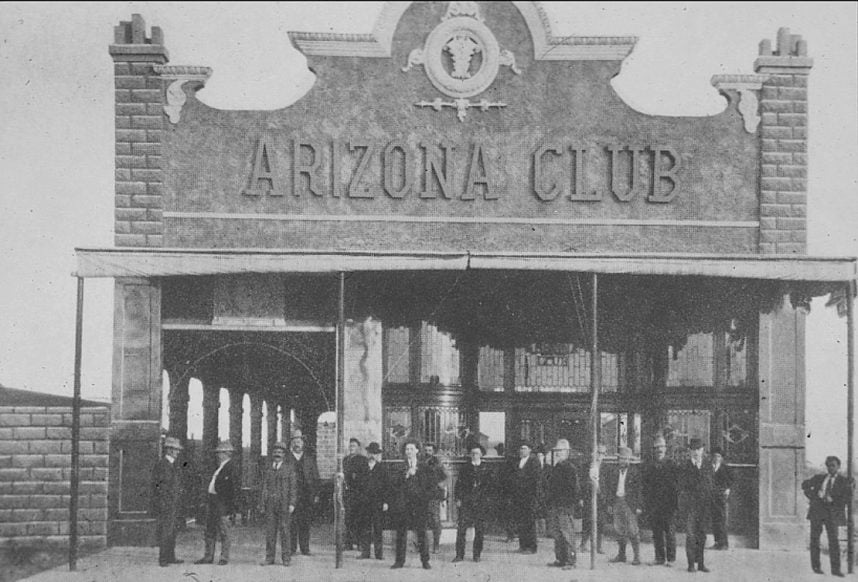
After the original Mormon settlers departed and before the railroad arrived, Las Vegas was a rough mining outpost. On March 4, 1869, the Silver State (which remains Nevada’s nickname) passed “An Act to Restrict Gaming.” Though the title sounds moralistic, the law actually legalized gambling. The state wasn’t endorsing vice so much as acknowledging the reality that, since miners were going to gamble anyway, they might as well tax it.
Eight years later came another law with another misleading title: “An Act to Prohibit the Winning of Money from Persons Who Have No Right to Gamble it Away.” Again, rather than banning gambling, it targeted abusive employers who paid workers in scrip that could only be used at company-run gambling tables. It was early consumer protection, not a moral crusade.
That crusade arrived in 1909. That’s when, swept up in Progressive Era reform, Nevada outlawed all gambling statewide.
Underground Zero
Gambling didn’t disappear; it simply went underground, much like prostitution today. Operators faced real criminal penalties, but customers did not — because arresting tourists has never been considered the best way to encourage return tourism (for obvious reasons).
A partial thaw came in 1919, when Nevada allowed social card games like poker and pari‑mutuel betting with a $2 cap. But slot machines and full casino gambling weren’t allowed back in Las Vegas again until March 19, 1931 — while two more years still remained of the federal prohibition on selling alcohol.
That’s when Governor Fred Balzar signed Assembly Bill 98, reversing the ban. (The 1877 law had already been repealed.)
The vote wasn’t even close. The Assembly passed it 24-11, the Senate 13-3.
Some say Al Capone greased palms to make it happen. That’s a myth we’ll get around to in an upcoming column.
First Re‑Licensed Casinos
On April 1, 1931, city commissioners authorized the first new casino licenses to seven “clubs,” as they were called then (the Northern Club, Las Vegas Club, Boulder Club, Big Four Club, Exchange Club, Rainbow Club and Meadows Club).
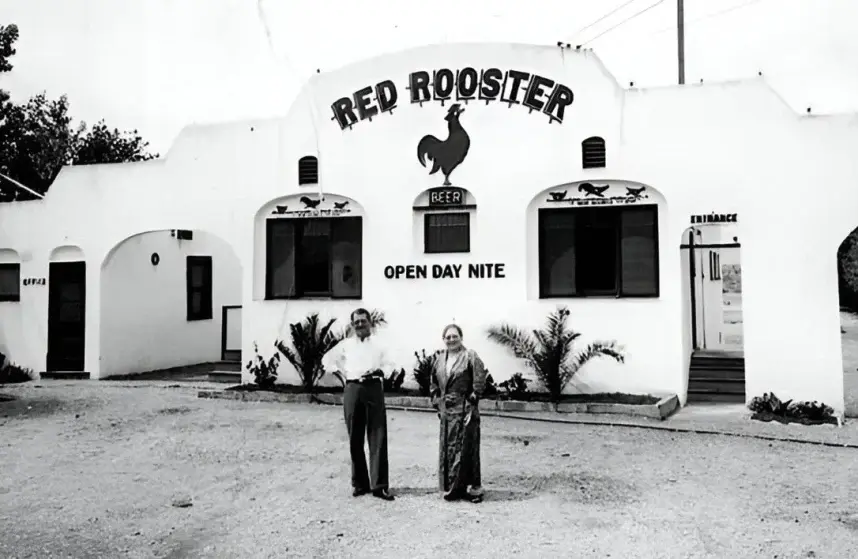
The next day, an historic license was issued to the Red Rooster. Because it was located “out in the sticks” on Highway 91 — where the Mirage volcano would one day erupt and the Guitar Hotel currently rises — it fell under Clark County’s jurisdiction. The modest license — for one blackjack table and three slot machines — made owner Alice “Ma” Morris the founding mother of the Las Vegas Strip.
No one at the time thought the new law was a big deal. Since Nevada was broke and desperate during the Great Depression, legal gambling was seen as a quick revenue patch, not a visionary master plan.
Not only did the bill’s signing earn just one short paragraph at the bottom of the front page of March 20’s Las Vegas Evening Review-Journal; one day later, an opinion piece by managing editor Albert Cahlan advised: “People should not get overly excited over the effects of the new gambling bill” because “conditions will be very little different than they are at the present time.”
No falser words about the future of Las Vegas have ever been written.
Look for “Vegas Myths Busted” every Monday on Casino.org. Visit VegasMythsBusted.com to read previously busted Vegas myths. Got a suggestion for a Vegas myth that needs busting? Email corey@casino.org.

 Most Read

Another Shooting Near Las Vegas Strip Casino Injures Man
 972,539 views

Vintners Oppose Napa Valley Casino
556,160 views




Conversation (1 comment)