 Main menu

Regulation
UK Betting Industry Braces Itself as FOBT £2 Lockdown Finally Comes Into Effect
Posted on: March 31, 2019, 01:23h.
Last updated on: April 1, 2019, 01:56h.


As the UK betting industry braces itself for drastic reforms to its fixed-odds betting terminals, which until this Monday accounted for more than half of their retail revenues, the UKGC has warned operators not to seek to offset the shortfall by diverting players to new, equally harmful gambling games.
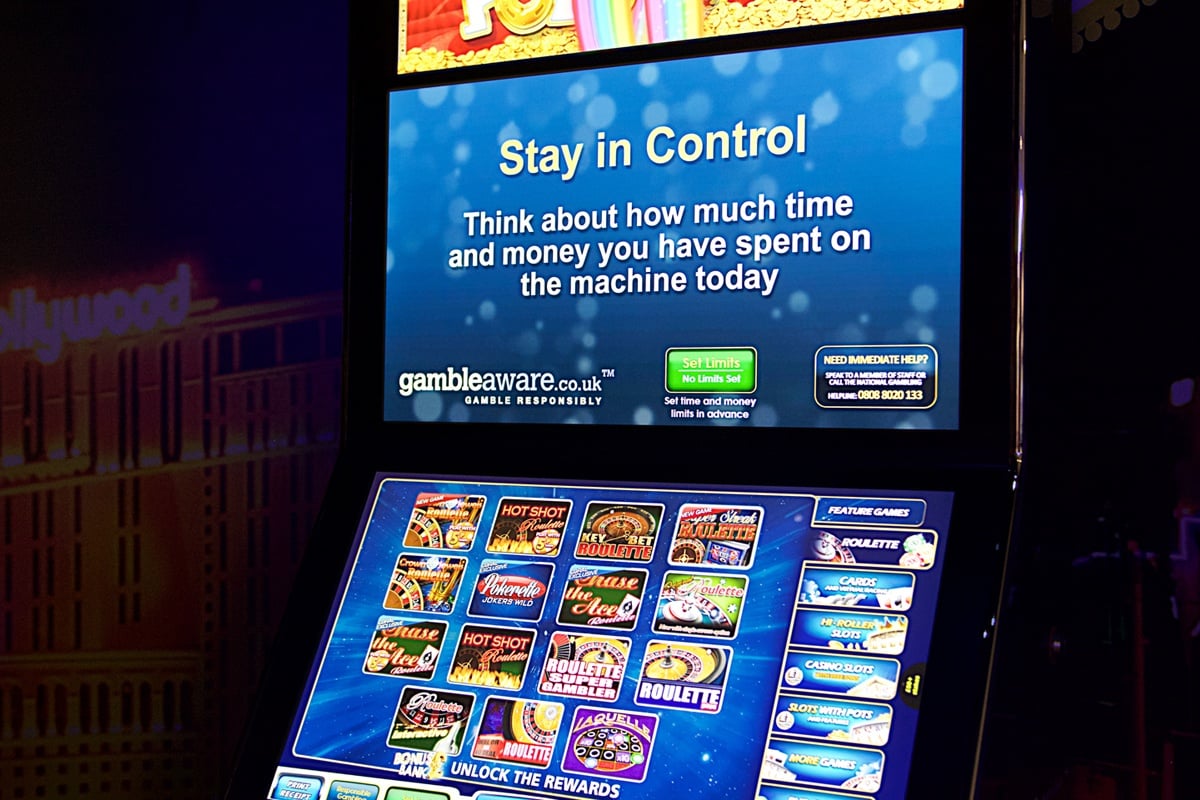
From Monday April 1, the maximum odds on the machines will be cut from £100 (£130) to £2 ($2.60), the culmination of two years of regulatory reviews and legislative debate. Also on Monday, bookmakers will be hit by tax increases on their UK-facing online operations, as the government looks to offset an FOBT-sized hole in its coffers.
The betting industry, meanwhile, will have to find new strategies to fill the hole. Inevitably, that will include outlet closures and job losses, but also the introduction of new kinds of games, which may seek to explore loopholes and test boundaries.
The Racing Post reports that the regulator has already written to an FOBT supplier to warn that a game developed specifically for the new regime — which restricts stakes to £2 per spin but gives players the opportunity to gamble the entirety of their winnings at any time — is non-compliant.
Did Industry Inflate Figures?
“We have been closely monitoring operators’ plans to manage the implementation of the stake cut and we will continue to watch very carefully to ensure that any changes and developments to these products are done with a focus on customer safety,” said the UKGC.
It’s imperative that operators invest in and use data, technology and measures to identify harmful play and can step in to protect players when needed,” the regulator added.
While lobbying against reforms last year, the Association of British Bookmakers suggested the curb to £2 maximum stakes would result in the closure of 4,500 betting shops throughout the UK — more than half of the existing 8,400 outlets — which would lead to the loss of around 20,000 jobs.
But based on information offered by the market leading companies to their respective shareholders, it appears the number may be closer to 2,300 — at least initially — although this still represents more than a quarter of the entire retail market.
Mixed Messages
Last week, The Guardian visited Birmingham — the UK’s second-biggest city — where betting shops in the city center had been trialing the £2 reduction since last March so operators could better understand its impact.
The Guardian’s reporter discovered that customers’ attitudes to the new machines were “mixed,” while outlet managers spoken to largely described the effect to business as “noticeable but not devastating.”
“We’ve lost a bit of business but it’s not been too bad,” said one. “You’d be surprised how some people kick off [get angry]. They’re saying, ‘I lost all my money last week and now you’re stopping me winning it back.’
“That doesn’t make sense to me. If you lost your money, you lost your money,” he added.

 Most Read

Another Shooting Near Las Vegas Strip Casino Injures Man
 971,297 views

Vintners Oppose Napa Valley Casino
555,016 views


Conversation (0)
Be the first to comment on this article.