 Main menu

Legal
Sheldon Adelson-backed Coalition to Stop Internet Gambling Wades into Wire Act Case with Faulty Argument
Posted on: April 23, 2019, 03:53h.
Last updated on: April 23, 2019, 05:53h.


Much of the legal battle between the Department of Justice and the State of New Hampshire over the new interpretation of the Wire Act will hinge on semantics and grammar, as the US First Circuit Court attempts to decipher the original intent of the law’s author, back in 1961.
At a hearing earlier this month, Judge Paul Barbadoro described the disputed opening passage of the Wire Act as “a mess of a statute” and noted that sometimes people who write laws are “imperfect grammarians.”
This week the Coalition to Stop Internet Gambling (CSIG) offered its own two cents to the semantics debate with a definition of the word “whoever” that defies hundreds of years of legal precedent. Hayley Hintze at Flushdraw.net reports that a supplemental filing this week by CSIG was all about the legal meaning of the very first word of the Wire Act: “whoever.”
Whoever… Whatever…
The DOJ’s new interpretation of the Wire Act, which New Hampshire is seeking to have overruled by the court, reversed an Obama-era declaration that paved the way for state-sanctioned online gambling operations.
The new opinion, in stating the act’s prohibitions are “not uniformly limited to gambling on sporting events or contests,” jeopardizes not only the online lottery operations of New Hampshire but online gaming markets across the United States.
In its filing, CSIG claims that “whoever” means everyone and everything, including governments and states, as well as private persons and entities. Here’s why that’s important in the opening Wire Act paragraph.
Whoever being engaged in the business of betting or wagering knowingly uses a wire communication facility for the transmission in interstate or foreign commerce of bets or wagers or information assisting in the placing of bets or wagers on any sporting event or contest, or for the transmission of a wire communication which entitles the recipient to receive money or credit as a result of bets or wagers, or for information assisting in the placing of bets or wagers, shall be fined under this title or imprisoned not more than two years, or both.
Bankrolled by Adelson
CSIG is attempting to demonstrate that states are breaking the law by offering online gambling. But as Hintze points out, this definition breaks with legal tradition. “Whoever” has never historically referred to government entities, which is why lawsuits against governments name prominent individuals associated with that entity, as in “the New Hampshire Lottery v William Barr, in his official capacity as Attorney General of the United States of America.”
In this specific case, for example, you cannot imprison a government or a state for “not more than two years,” which would seem to make a nonsense of the CSIG claim, irrespective of the correct legal definition of the word.
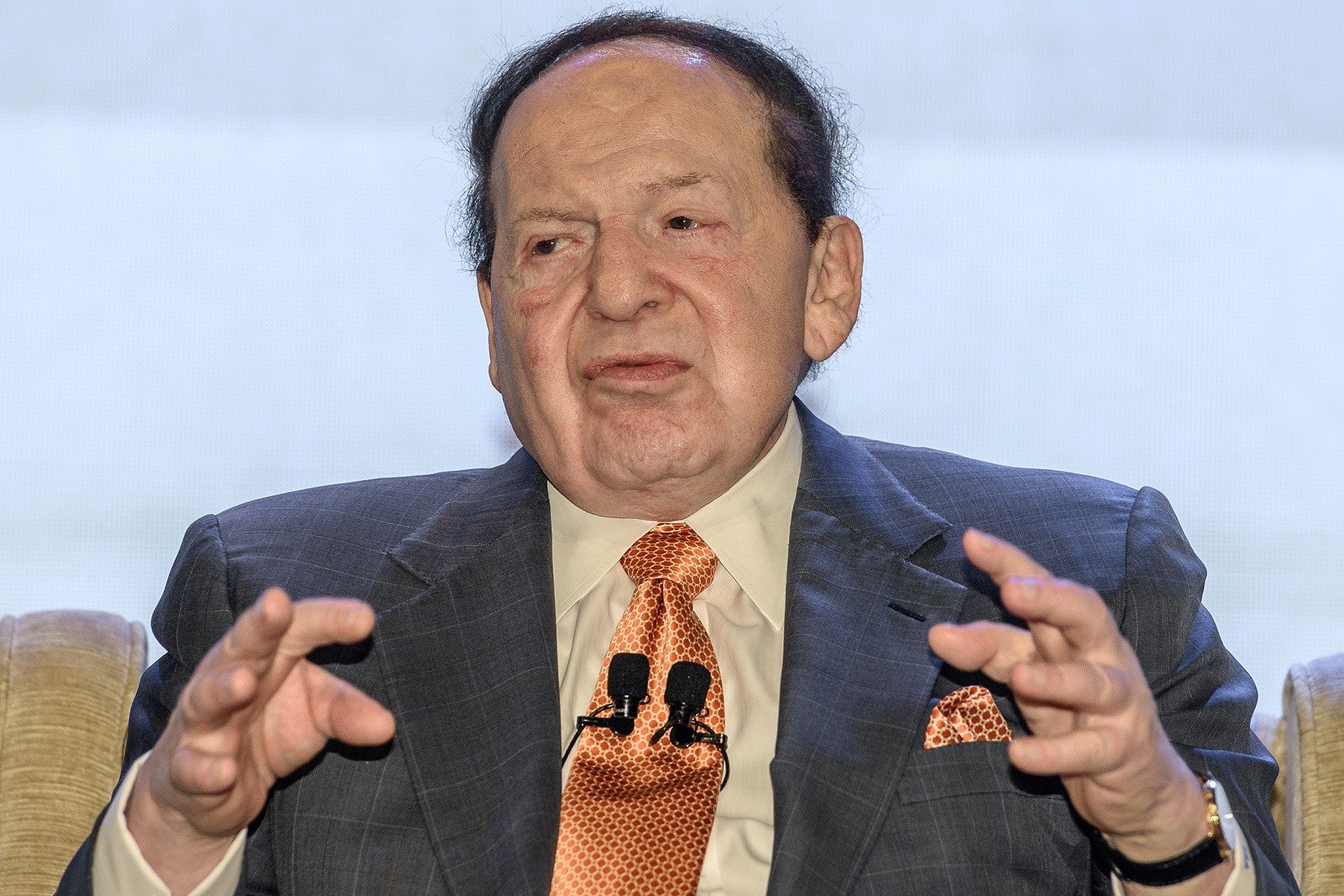
CSIG is an organization bankrolled by LVS casino billionaire Sheldon Adelson who has long been fixated with eradicating regulated online gambling from the US. CSIG lobbied for many years for the Restoration of America’s Wire Act (RAWA), which would have banned online gaming at a federal level.
RAWA was an unpopular piece of legislation because of its trammeling of states’ rights, and it failed each year it was introduced to Congress. This has led many to suggest that the new DOJ opinion was performed as a favor by the Trump administration to Republican megadonor Adelson following the failure of the legislative route.

 Most Read
Another Shooting Near Las Vegas Strip Casino Injures Man
 972,602 views

Vintners Oppose Napa Valley Casino
556,217 views


Conversation (0)
Be the first to comment on this article.