 Main menu

Commercial Gaming
Pennsylvania Gaming Revenue Surpasses $7 Billion, Delivering Record Tax Revenue
Posted on: July 17, 2026, 03:18h.
Last updated on: July 20, 2026, 05:50h.


Key Points
- Pennsylvania gaming revenue topped a record $7 billion in fiscal year 2025/26, generating an unprecedented $3.1 billion in taxes and fees
- Online gaming and sports betting fueled the growth, with iGaming revenue rising 18.4% and sportsbook revenue climbing 36%
- As gaming expands, state officials are urging stronger responsible gambling protections amid concerns about rising gambling-related harm


Revenue from legal gambling in Pennsylvania reached a record $7 billion in the state’s 2025/26 fiscal year, resulting in unprecedented taxes and fees for the benefit of the commonwealth.
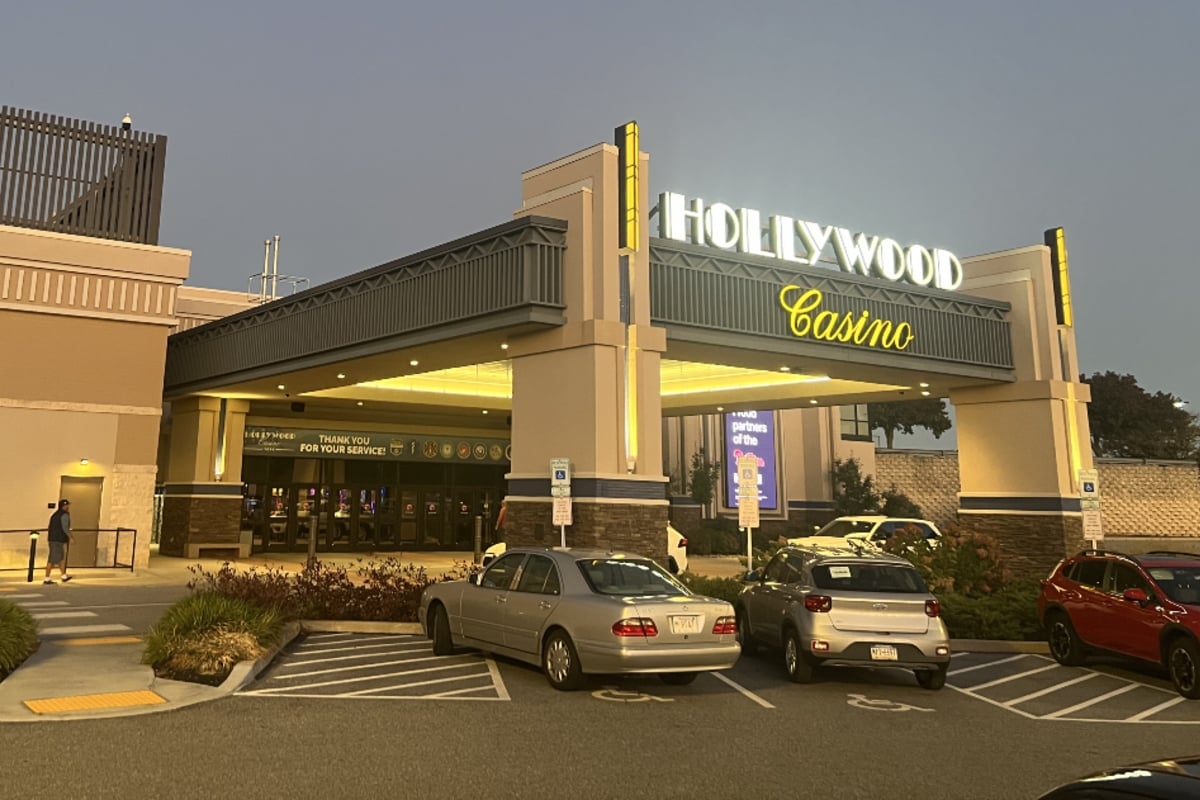
The Pennsylvania Gaming Control Board (PGCB) reports that revenue from brick-and-mortar casinos, iGaming, sports betting, truck stop slot machines, and fantasy sports totaled $7,005,987,435 for the 12 months ending June 30, 2026. The fiscal year marked almost 10% year-over-year growth.
The gaming revenue, which is exclusive of the state-run lottery and unregulated skill games, delivered almost $3.1 billion in associated taxes and fees, also a record amount for a fiscal year.
Online gaming fueled the 2025/26 surge, with gross gaming revenue (GGR) from iGaming growing 18.4% to $2.93 billion. Sports betting, with the bulk of the wagering occurring online, increased 36% to $662.9 million.
Tax Benefits
Pennsylvania gaming revenue supports an array of programs and initiatives across the commonwealth.
The PGCB says the almost $3.1 billion in tax money helps reduce homeowners’ property taxes on their primary residences, provides funding for state, county, and local economic development, safety, and recreational projects, and supports the agricultural industry through horse racing.
Gaming taxes in Pennsylvania also provide grants for municipalities and counties and general revenue for the state budget.
Gaming and its associated benefits have grown exponentially since iGaming and online sports betting came to Pennsylvania. In the 2017/18 fiscal year, GGR from casinos and fantasy sports totaled $3.2 billion, meaning the gaming industry has expanded 116% over the past eight years.
Today, Pennsylvania is the second-richest gaming state behind only Nevada, where 2025 GGR totaled $15.6 billion.
iGaming Success Story
Pennsylvania greatly expanded gaming in 2017 when Gov. Tom Wolf (D) was in office. With the Republican-controlled General Assembly unwilling to raise taxes to cover Wolf’s increased spending, lawmakers turned to gaming.
The 2017 gaming package authorized iGaming, slot-like video gaming terminals at truck stops, and so-called “mini-casinos” with up to 750 slot machines and 30 table games. The bill also said sports betting would be made legal should a change come to federal law.
Just months after Wolf signed the gaming expansion in October 2017, the United States Supreme Court in May 2018 gave states the right to decide whether sports betting is allowed within their borders.
Gaming Drawbacks
Gaming is unquestionably benefiting state coffers, but at what societal cost?
This week, a state government commission recommended that lawmakers in Harrisburg take a closer look at how Pennsylvania’s growing gambling sectors are impacting the public.
The Joint State Government Commission said lawmakers should consider implementing more robust consumer safeguards, including betting caps, restrictions on VIP programs, and limits on gambling advertising.
The report also recommended that lawmakers provide funding to further examine what could be an emerging public health crisis driven by gambling disorders.

 Most Read

Another Shooting Near Las Vegas Strip Casino Injures Man
 972,517 views

Vintners Oppose Napa Valley Casino
556,141 views


Conversation (0)
Be the first to comment on this article.