 Main menu

Financial
Malta: Europe’s Online Gaming Hub Removed from Graylist
Posted on: June 16, 2022, 04:19h.
Last updated on: June 17, 2022, 11:27h.


Malta, Europe’s foremost online gambling hub, has been removed from the Financial Action Task Force (FATF) graylist. It’s news that will have politicians in the tiny Mediterranean island-state and its online gambling industry exhaling.
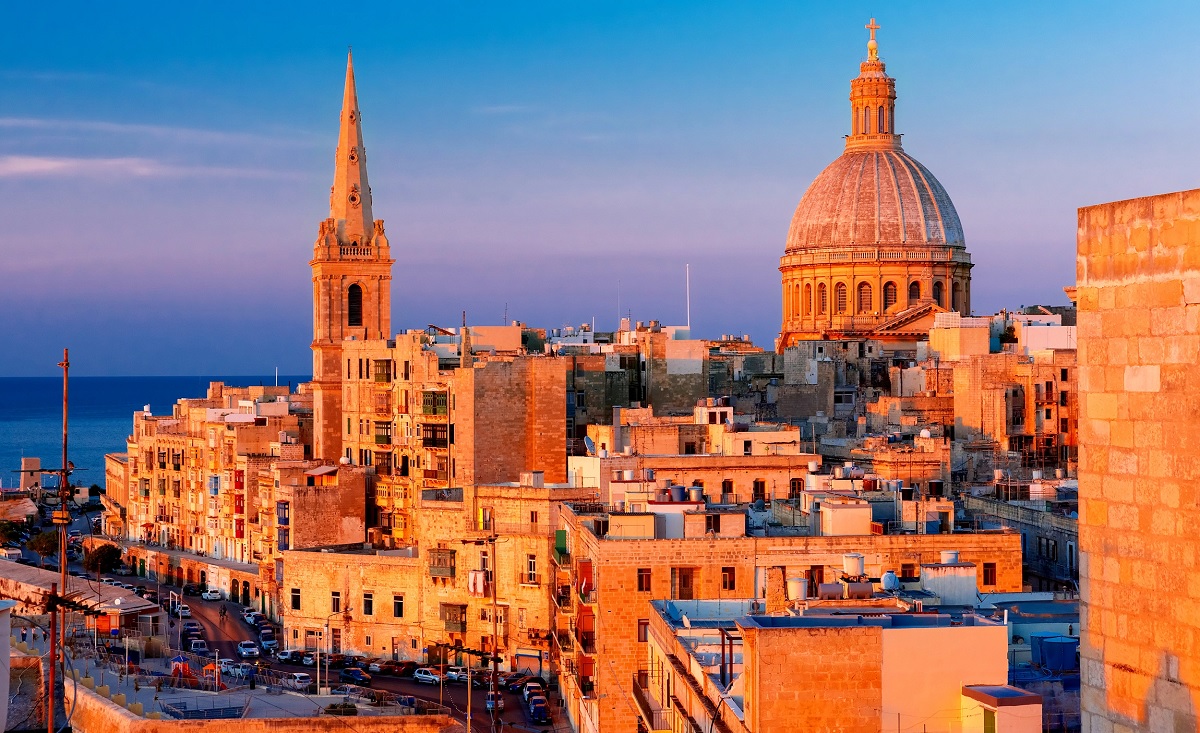
The industry is drawn to Malta by its tax breaks, favorable regulatory system, and EU membership. The latter has guaranteed fluid financial services with the rest of Europe.
But in June 2021, Malta had the dubious honor of becoming the first EU country to be graylisted by FATF, finding itself in the same boat as Yemen, Syria, and Burkina Faso.
The demotion of Malta’s financial status constrained the country’s banking sector, making it less agile and more expensive to engage with.
Companies based in a graylisted jurisdiction are assumed to pose a higher risk and are therefore subject to more red tape. That could make everything from the movement of player funds to the distribution dividends trickier and more expensive.
What the FATF?
FATF is an intergovernmental organization founded by the G7 to combat money laundering and terrorism financing.
The Times of Malta reports that the country was given the all-clear after a vote by FATF officials on Wednesday. The formal announcement of the decision is scheduled for Friday afternoon.
FAFT is understood to be satisfied that Malta has successfully implemented a series of reforms that it recommended last year. These include changes to the way it fights tax evasion, collects information on ultimate beneficial ownership, and the way it shares information with local and international authorities.
It was placed on the graylist after longstanding international criticism of government policies, such as the selling of Maltese citizenship and its failure to prosecute leading government officials accused of corruption.
Caruana Galizia Murder
In 2019, the government of Labour Party prime minister Joseph Muscat collapsed because of ties between high level lawmakers and Yorgen Fenech, the country’s largest casino owner.
Fenech has been charged with masterminding the 2017 car bomb assassination of Maltese anticorruption journalist Daphne Caruana Galizia. The killing made international headlines.
At the time of her death, Galizia was examining whether a government contract to build a power station in the country had been corruptly awarded to Fenech’s business empire.
A company later found to be controled by Fenech was preparing to make large payments into shell accounts. They were owned by Malta’s former energy minister, Konrad Mizzi, and Muscat’s chief of staff, Keith Schembri.
Both men deny corruption and complicity in the killing of the journalist.

 Most Read
Another Shooting Near Las Vegas Strip Casino Injures Man
 972,787 views
Vintners Oppose Napa Valley Casino
556,390 views


Conversation (0)
Be the first to comment on this article.