 Main menu

Coronavirus
Ohio Supreme Court Kills Case Claiming Vaccine Lottery Unconstitutional, Unethical
Posted on: December 17, 2021, 12:02h.
Last updated on: December 17, 2021, 01:22h.


Ohio’s Supreme Court has tossed a lawsuit brought by a group of anti-vaxxers who argued the state’s “Vax-a-Million” lottery was unconstitutional.
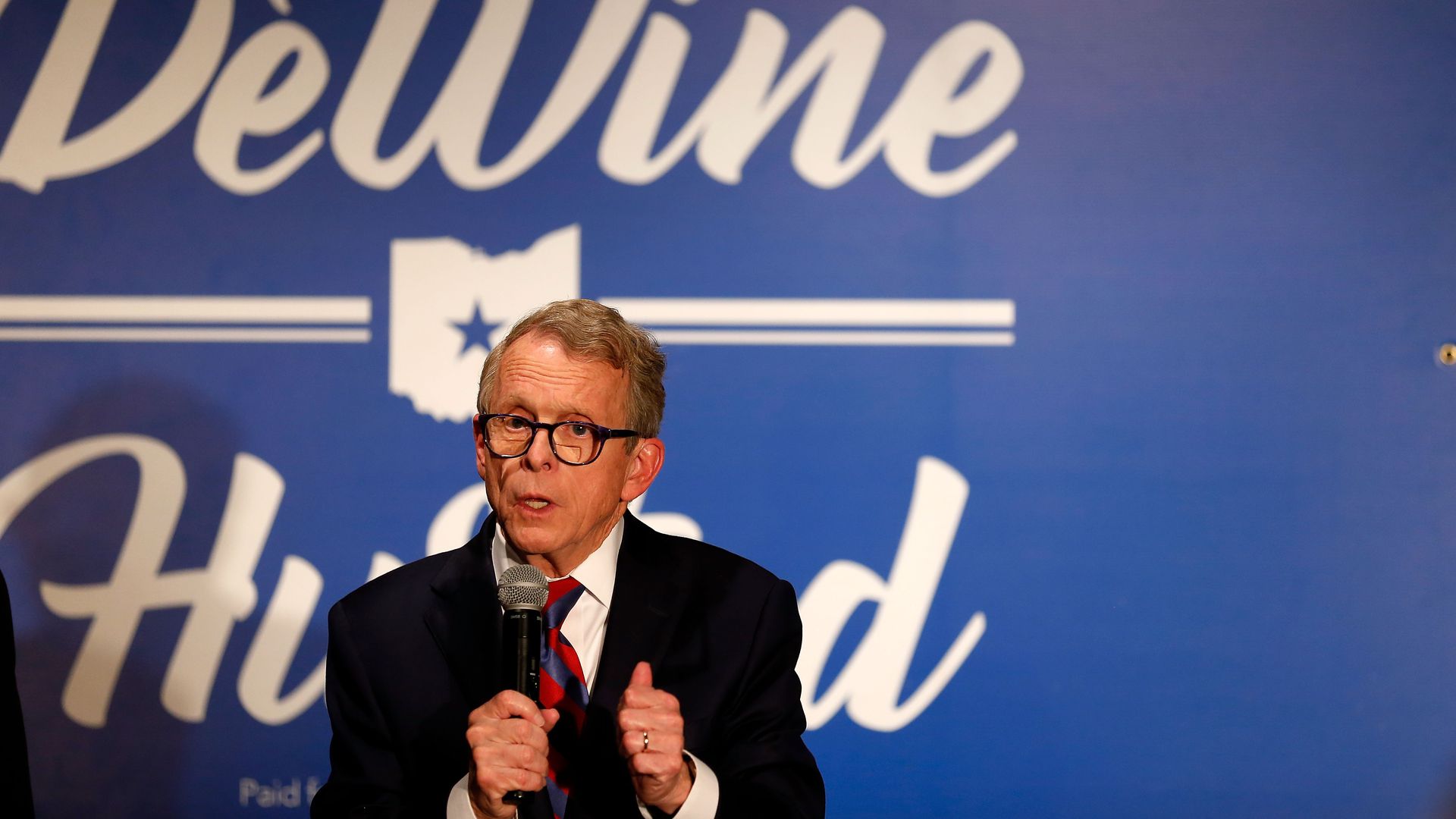
The complaint claimed the lottery’s use of public money without legislative approval violated Ohio law.
The plaintiffs’ campaign group, “Ohio Stands Up!”, also wanted the lotteries to be banned to “prevent child abuse and the criminal battery of children in Ohio by dangerous experimental and untested DNA-altering poisonous mRNA shots.”
They claimed the lotteries violated the Nuremberg Code, an ethics doctrine related to experiments with human subjects, drawn up during the Nuremberg trials at the end of World War II.
‘Frivolous Lawsuit’
The court dismissed the case largely on procedural grounds, declining to rule on the constitutional claims or to be drawn on the dubious medical theories contained in the document. The court said the plaintiffs did not have proper standing in a high court.
A spokesman for Gov. Mike DeWine told The Ohio Capital-Journal it is the Governor’s Office policy not to comment on “frivolous lawsuits.”
“Ohio Stands Up!” explains on its website that its mission is to “educate Ohioans and all Americans on the reality of COVID-19 while ensuring our constitutional rights are honored in the process.”
Ohio was the first state to launch a lottery in an effort to boost its COVID-19 vaccination program. Other states followed suit from mid-2021, as vaccine rates began to level off.
New York even launched “Scratch and Vax,” a program that distributed free scratch-off tickets to the newly inoculated. But in October, a study by the University of Denver suggested that the lotteries don’t work.
All in Vein
Researchers looked at the 19 states that adopted vaccine lottery programs, calculating the number of shots administered per 1,000 people, both before and after their introduction.
Comparing the figures to states with no vaccine lotteries, they found “no statistically significant” difference between the two groups. That’s after adjusting for a variety of factors, including a region’s wealth, population, number of COVID-19 cases, and political leanings.
The researchers suggested the lack of a guaranteed outcome in a lottery may fail to motivate people. That would indicate that a program of direct payments might be more effective, although there is no comparable study to verify this.
It may be that states that held vaccine lotteries would have been better off funneling the money into boosting an awareness campaign that offered complete messaging about vaccination and countered misinformation.

 Most Read

Another Shooting Near Las Vegas Strip Casino Injures Man
 972,739 views

Vintners Oppose Napa Valley Casino
556,342 views


Conversation (0)
Be the first to comment on this article.