 Main menu

Rumors
North Dakota’s Veteran Campaigner for Online Poker Tries His Luck 15 Years On
Posted on: January 25, 2021, 04:57h.
Last updated on: January 25, 2021, 05:14h.


New legislation in North Dakota would allow state residents a vote on whether to change their constitution to legalize and regulate online poker. The resolution, which would put the question on the 2022 ballot, is being pushed by State Rep. Jim Kasper.
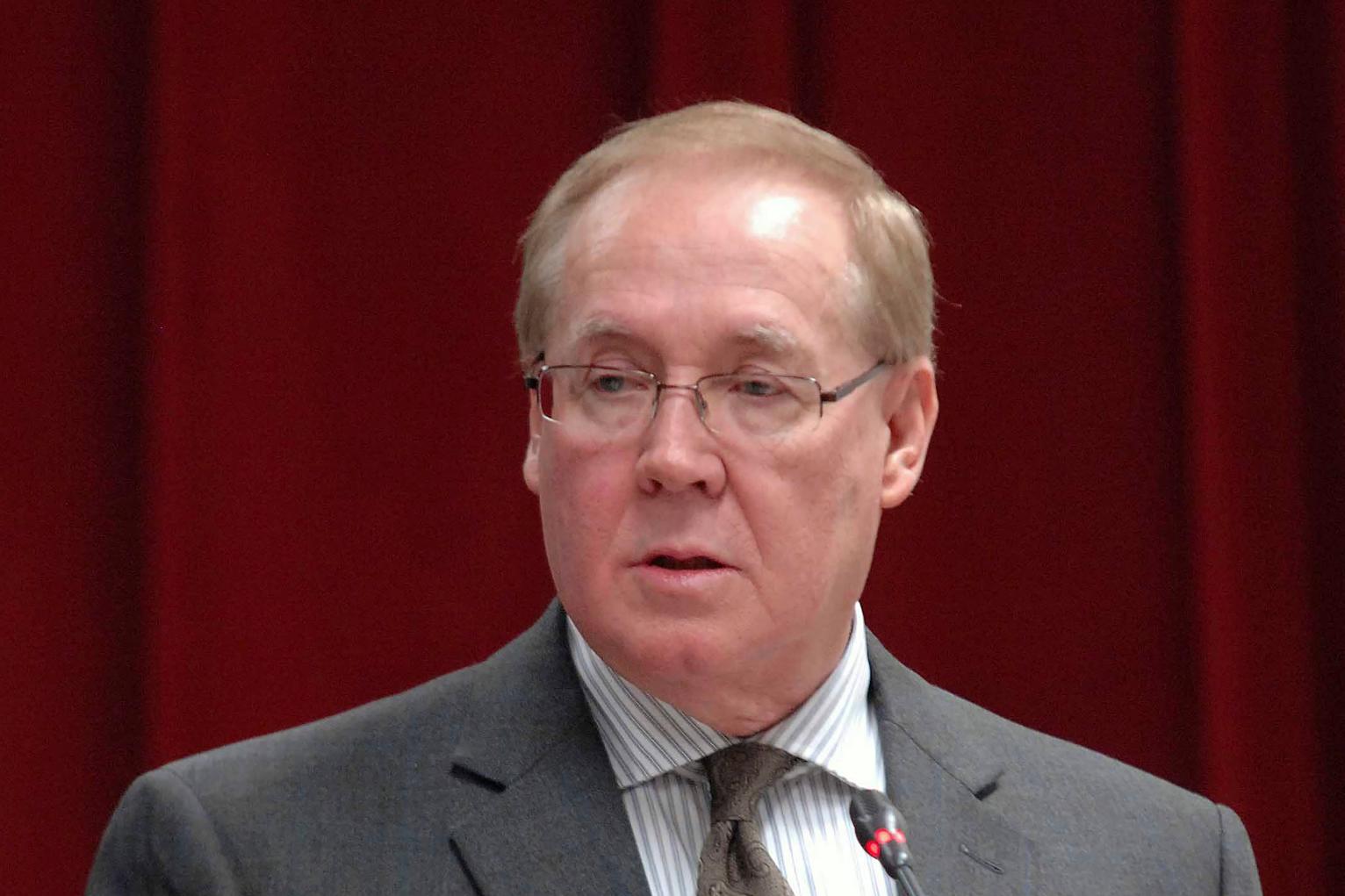
This is not the Fargo Republican’s first rodeo. In 2005, long before New Jersey took on the federal prohibition of sports betting (PASPA), Kasper was the author of two bills that would have legalized online poker in North Dakota. They sought to challenge the US Department of Justice’s assertion that the online game was illegal under federal law.
Back then, it was a states’ rights issue. Kasper argued that the federal government had no jurisdiction, and that it was up to individual states to compile their own gambling laws. He also noted that there was no federal statute that expressly forbade online poker.
The House passed the legislation, and suddenly, briefly, the eyes of the global online poker industry — which, in 2005, was at the height of its powers — were on North Dakota.
High Wire Act
Kasper’s effort was ultimately and emphatically shot down in the State Senate. Many senators were concerned they were being asked to vote to break federal law. But his arguments have since been widely accepted and adopted.
In 2011, the Department of Justice opined that the federal Wire Act did not prohibit online poker or casino gaming. The Kennedy-era law only made sports betting over wire communications illegal. That paved the way for the state-by-state regulation of online gaming that followed.
Under the Trump administration, the DOJ flip-flopped. Many suspect it was done as a favor to the late Republican megadonor Sheldon Adelson. But this new opinion has since been successfully challenged in court.
Meanwhile, New Jersey’s successful reversal of PASPA in the US Supreme Court in 2018 confirmed everything Kasper was saying about gambling and states’ rights.
Bare Bones
So, 15 years on, does his amendment have a shot in a legislature that is traditionally resistant to gambling expansion? Kasper told The Bismarck Tribune he hasn’t gauged how much support there might be in the legislature. But he notes the proposed measure is sponsored by both Republicans and Democrats.
“It’s just a game I enjoy, I think other people should have the opportunity to play it as well,” he added.
Kasper’s is a bare-bones amendment with no details on taxation or any kind of framework of regulation. That would all be figured out later, if the voters approved it.
Ultimately, he just wanted to reintroduce the legislation to “see where it goes,” he said.

 Most Read
Another Shooting Near Las Vegas Strip Casino Injures Man
 972,744 views

Vintners Oppose Napa Valley Casino
556,349 views


Conversation (0)
Be the first to comment on this article.