 Main menu


Regulation
New Jersey Now Requires Online Gaming Operators to Proactively Identify Problem Gamblers
Posted on: October 21, 2026, 08:06h.
Last updated on: October 21, 2026, 08:07h.


Key Points
- New Jersey now requires online casinos and sportsbooks to use player data to identify possible problem gambling
- The rules establish a uniform, enforceable standard for intervention as officials scrutinize aggressive marketing by FanDuel
- Separately, New Jersey fined Penn Entertainment’s theScore Bet $78,000 for unauthorized wagers


New Jersey is strengthening its consumer safeguards for online gambling by mandating that iGaming and mobile sportsbook platforms regularly assess patrons and intervene with those exhibiting possible signs of problem gambling.
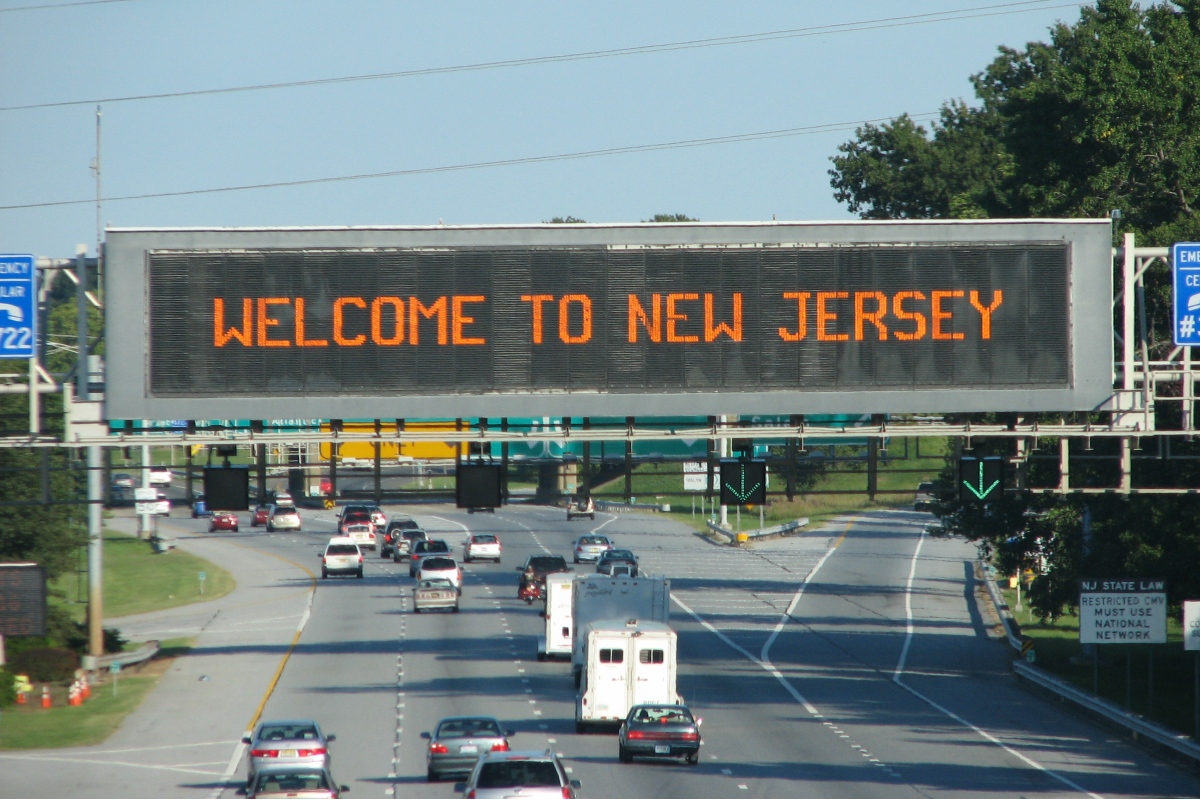
New Jersey becomes the first state in the nation to impose mandatory data-driven responsible gaming requirements by ordering online operators to use player activity to detect potential problem gambling. While each internet casino and sportsbook licensed by the New Jersey Division of Gaming Enforcement (DGE) already has responsible gaming staff and responsible gaming best practices, the regulatory update brings a uniform, regulatorily enforceable standard for how licensees intervene with at-risk consumers.
New Jersey continues to lead the way in developing data-driven best practices for internet gaming and online sports wagering,” said Gov. Mikie Sherrill (D). “We continue to work to make the online world safer and to focus on safeguards that protect people’s well-being and help connect those who are struggling with the support they need.”
By law, online casino and sports betting operators in New Jersey must now identify and respond to possible gambling-related harm by contacting the bettor to ensure early intervention and support, with outreach tiered to the individual’s need.
“We are proud to enact regulations that require operators to offer resources, including live support if appropriate, to those struggling with problem gambling,” added Attorney General Davenport. “We have a responsibility to keep the gaming industry accountable and ensure that help is available to those who need it.”
Bryce Harper Scandal
In July, The Philadelphia Inquirer broke the story that a FanDuel VIP who was exhibiting problem betting behavior was sent a personalized video message from his favorite MLB player, Bryce Harper. In a subsequent lawsuit, the bettor claims FanDuel preyed on and cultivated his gambling addiction.
Davenport said the responsible gaming outreach initiative comes as her office is “aware” of recent press suggesting that some online sportsbooks are “using aggressive marketing or promotion tactics to target gamblers who are exhibiting signs of a gambling disorder.”
Davenport warned online gaming licensees that no company will be allowed to “flout” New Jersey’s laws.
“As the industry evolves, the state will adapt to new technologies and new issues that emerge in the industry. New Jersey will continue to consider ways to adjust and strengthen regulations to ensure it is protecting people from unscrupulous operators,” said Davenport.
theScore Fined for Noncompliance
This week, the DGE fined Penn Entertainment’s theScore Bet online sportsbook for violating sports betting regulations. The state regulator said theScore Bet accepted wagers on unauthorized sports and/or unauthorized bet types.
DGE Interim Director Mary Jo Flaherty fined Penn Sports Interactive $78,000 for the regulatory violation and $306.48 in disgorgement.

 Most Read

Another Shooting Near Las Vegas Strip Casino Injures Man
 972,720 views

Vintners Oppose Napa Valley Casino
556,325 views


Conversation (0)
Be the first to comment on this article.