 Main menu

Tribal Gaming
Maine Tribal Online Casino Bill Suffers Narrow Defeat in House
Posted on: April 10, 2024, 10:46h.
Last updated on: April 10, 2024, 10:59h.


A bill that would have legalized online gaming in Maine and handed a monopoly to the state’s four Wabanaki tribes has run aground in the House. The legislation was narrowly defeated Tuesday by a vote of 74-71, The Portland Press Herald reports.
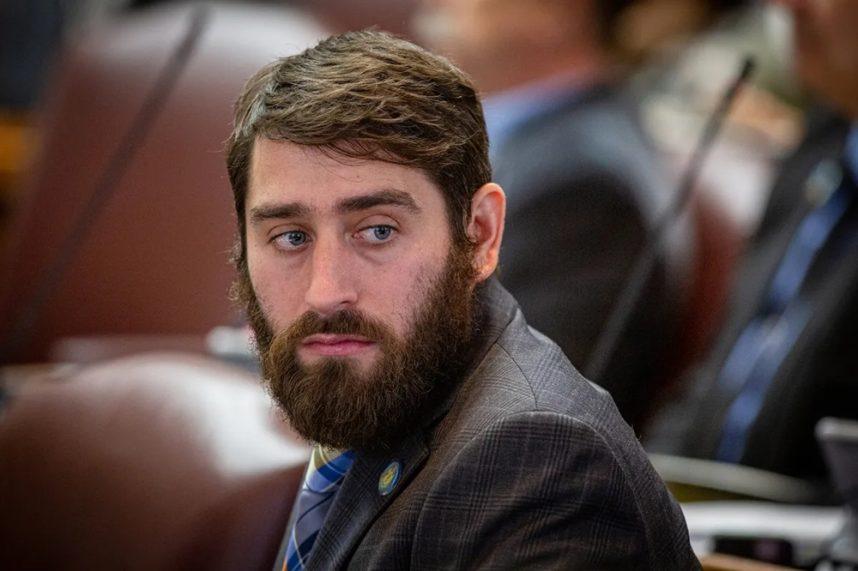
State Rep. Laura Supica’s (D-Bangor) bill would have allowed the tribes to align with a third-party operator like DraftKings to run online casino games, as they currently do with online sports betting.
Supica argued this would help redress the imbalance in sovereign rights for Maine tribes compared with many other tribes in the US.
Redressing the Balance
Under the Maine Indian Claims Settlement Act (MICSA) of 1980, the tribes were afforded a narrower version of sovereignty that didn’t include the right to organize gaming on their lands. Currently, their reservations are treated like municipalities, which means they remain subject to state laws.
Maine’s sports betting bill, which passed in 2022, was the first attempt to redress the tribes’ lack of gaming rights. But some lawmakers said Tuesday they believe adding mobile casino gaming into the mix is a bridge too far, especially when the state’s two commercial land-based casinos would be frozen out of the market.
There were concerns that a tribal online gaming monopoly would cannibalize the land-based casino market, potentially leading to job losses.
Casino Inclusion
State Rep. David Boyer (R-Poland) said he would be willing to consider a bill that included the casinos and suggested trying again next session.
“As much as I want to play online poker, this isn’t the way to do it,” he said, as reported by the Press Herald. “I’m concerned with the jobs that are at stake in Oxford and Bangor. The tax rates are not comparable. The brick-and-mortar casinos have a very high tax rate.”
A tribal monopoly would have generated $100 million in the first few years, according to estimates. Supica’s bill set the tax rate at 16%. That’s much lower than the commercial casinos, which pay between 40% and 47% on slots.
“Much of the concern comes from the fact that it is exclusively for the tribes,” said Supica. “But for me, that is why I wholeheartedly support it, because this is a wonderful opportunity for the state of Maine to begin to make some corrections to how they have enacted past gaming laws.”


 Most Read

Another Shooting Near Las Vegas Strip Casino Injures Man
 972,823 views

Vintners Oppose Napa Valley Casino
556,423 views


Conversation (0)
Be the first to comment on this article.