 Main menu

Las Vegas
Sphere Owner MSG Entertainment Sues Wired Over Alleged LGBTQ+ Celeb List
Posted on: July 18, 2026, 01:52h.
Last updated on: July 20, 2026, 04:57h.

Key Points
- MSG is suing Wired for defamation, arguing the magazine cherry-picked leaked data to create a false narrative of discrimination against the LGBTQIA community
- The lawsuit stems from a July 9 Wired article analyzing a database leaked by ShinyHunters, which MSG claims was used for standard relationship management rather than exclusion
- Wired stands by its reporting, framing the legal challenge as an attempt by billionaire James Dolan to silence critical journalism regarding his company's use of surveillance technology


Madison Square Garden Entertainment Corp. (MSG) filed a defamation lawsuit Thursday (July 16) against Wired magazine over a recent report claiming the company tracks celebrities inside its venues by race, gender identity, and sexual orientation.
Prominent MSG venues include Madison Square Garden and Radio City Music Hall in New York, and the Sphere in Las Vegas.
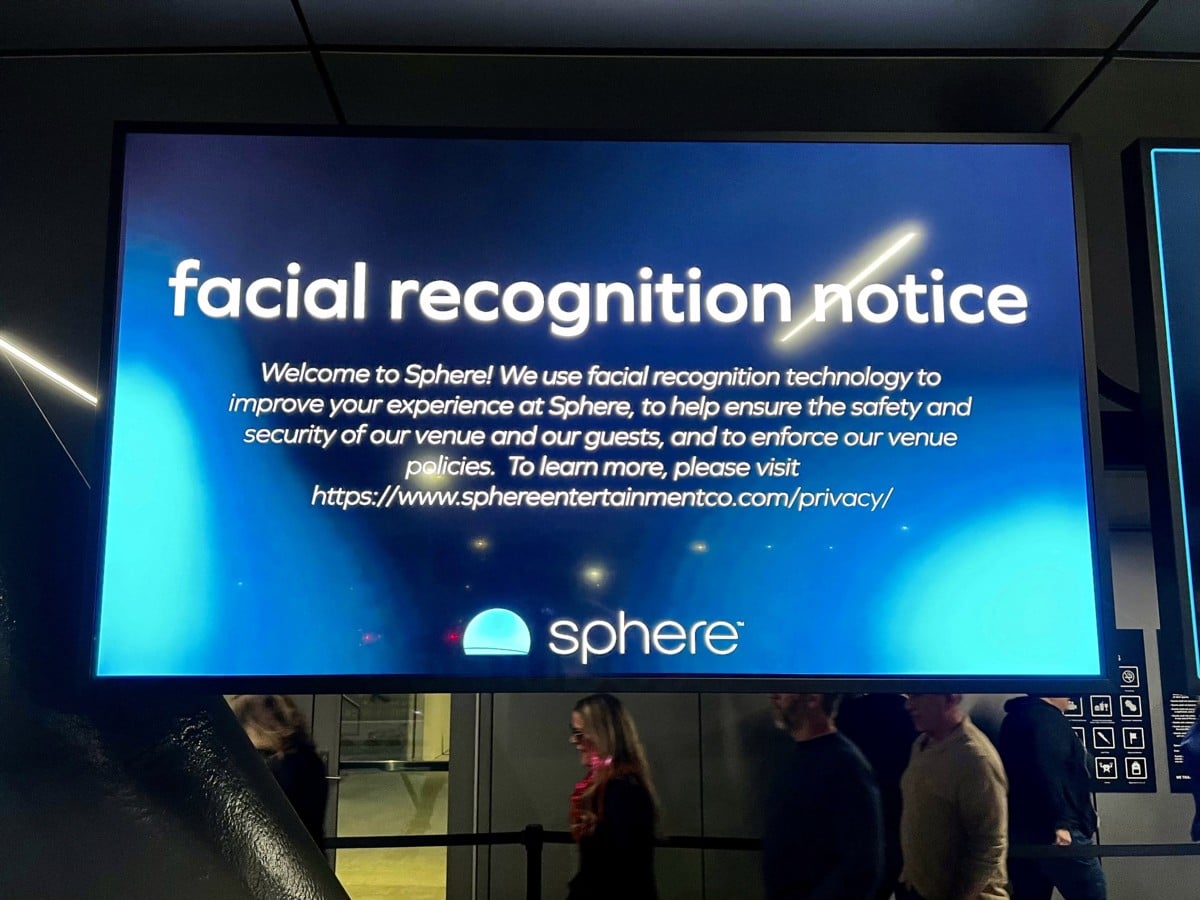
Wired’s July 9 story — based on data stolen from MSG and leaked online by the hacking group ShinyHunters in June 2026 — reported that MSG assigns “risk scores” to select people in its internal “talent” database.
Nearly 400 of the roughly 40,000 people in that database had risk scores. And 93 of those 400, including singers Ricky Martin and Phoebe Bridgers, were labeled LGBTQ+.
However, Wired never claimed their risk scores were assigned because of that designation.

Risk scores range from “low risk” to “DO NOT HOST” — a designation that will automatically deny requests for complimentary tickets. Celebrities falling into this category include hip-hop producer Pete Rock — who once urged a boycott of billionaire MSG/Sphere CEO/chair James Dolan on X/Twitter — as well as actor Will Harrison, actress Julia Fox, and comedian Adam Pally.
“If you’re a celebrity and you’re marked with a risk score — even as a low risk — it means you’ve done something in the publicity world, the social media world, that has caught the attention of the wrong people,” an unnamed source told the Condé Nast-owned publication.
The highest risk designation, “BANNED FROM MSG,” means facial‑recognition systems will prevent entry to any MSG venue, even with valid tickets. Wired identified only one celebrity in this category: rapper Lil Tjay, who fought with security during a February 2025 boxing match at the Garden’s Hulu Theater.
But even non-celebrities can find themselves banned for criticizing Dolan. According to Wired, a graphic designer was blocked from entering a March 2025 concert at Radio City Music Hall, despite holding a valid ticket, because he had sold “Ban Dolan” T-shirts years earlier.
The Lawsuit
MSG’s lawsuit alleges that the Wired article was “unethical and inflammatory.” It argues that its information was obtained illegally, that fields like sexual orientation were just “standard” customer service notes not used for targeting or discrimination, and that Wired’s reporting was misleading and sensationalized.
“Wired combed the dark web, obtained data stolen from MSG by an extortionist hacking group, and cherry-picked fragments of that data to manufacture a false narrative portraying MSG as targeting the LGBTQIA community for discriminatory purposes,” the lawsuit reads.
MSG also contends that the article wrongly suggests that the LGBTQ‑identified individuals were the same people assigned risk scores.
“The article’s implication that MSG maintains a database with a sexual orientation field for exclusionary, discriminatory, security, or risk-based purposes is a lie,” it reads.
“Defendants knew there was no nefarious ‘list’ of gay celebrities, and defendants knew that the stolen data contained dozens of fields per customer — including mundane fields such as address, phone number, and dietary restrictions — used for relationship management purposes, not discrimination,” the suit adds.
The 40-page lawsuit seeks a jury trial and demands compensatory, presumed, special, and punitive damages, as well as attorney’s fees and a correction or retraction of the article and its implications.
Wired Reacts
In a statement about the lawsuit, Wired wrote that it stands by its reporting and will “vigorously defend it against this baseless and ridiculous lawsuit.”
“We look forward to continuing our coverage of MSG, and on billionaire James Dolan’s use of technology across his entertainment empire,” read the statement. “It’s one part of our wider mission and the critical job of journalists, now more than ever: holding power to account.”
Wired also announced on its social media channels that it has removed the paywall from “two of the MSG stories they don’t want you to read,” making them free to the public.
The second story, published in April 2026, claims — among other allegations — that Dolan’s security team once obsessively tracked the movements of a trans woman through Madison Square Garden over a two-year period.

 Most Read
Another Shooting Near Las Vegas Strip Casino Injures Man
 972,624 views

Vintners Oppose Napa Valley Casino
556,231 views


Conversation (0)
Be the first to comment on this article.