 Main menu


Las Vegas
LOST VEGAS: How Wyatt Earp Became Sin City’s First Celebrity Tourist
Posted on: November 25, 2026, 07:21h.
Last updated on: November 25, 2026, 04:09h.


In one of the earliest known photographs taken inside a Las Vegas saloon, a couple dozen men stand around the bar—and one of them happens to be a legend of the American West. The watering hole was the Arizona Club, Las Vegas’s first, tucked inside Block 16: the designated district in the newly minted town for drinking, gambling, and prostitution.
So what the hell was Wyatt Earp doing there?
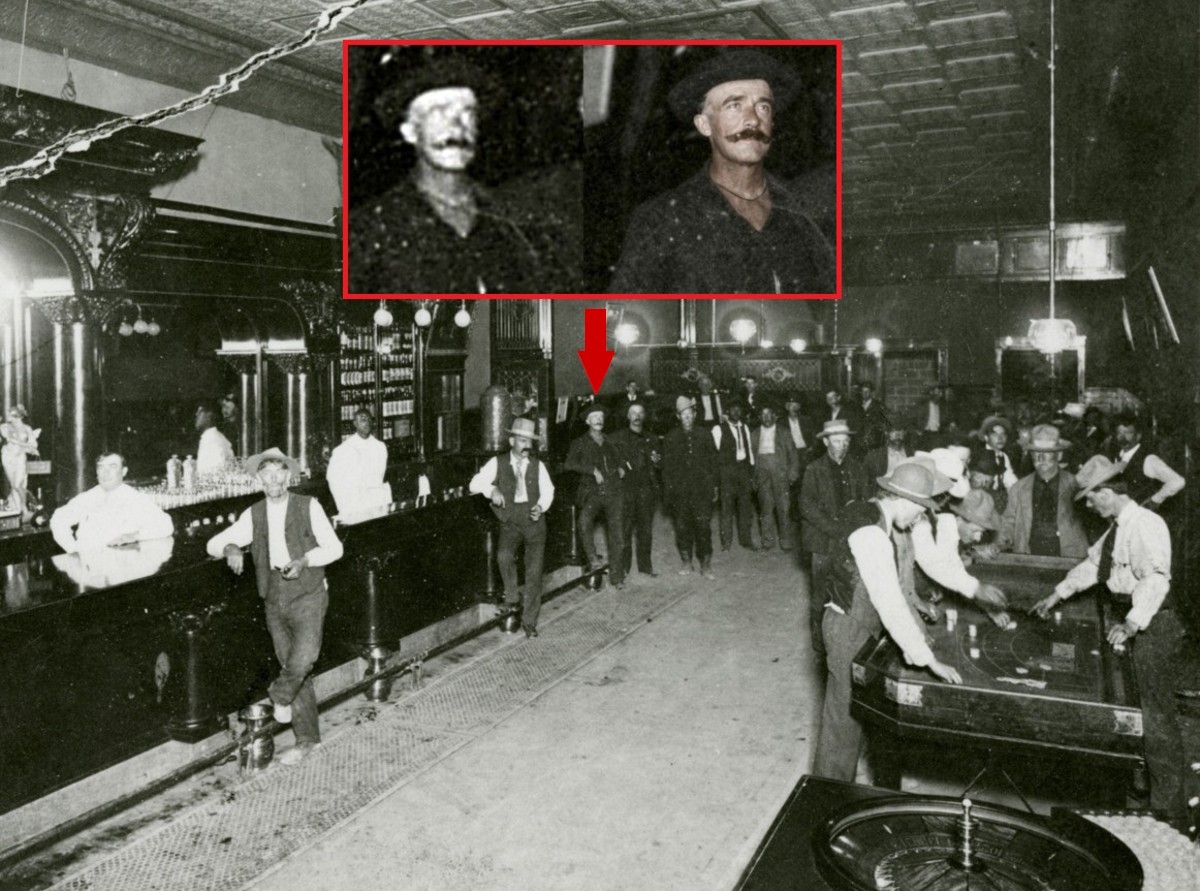
In 1906 or 1908 (the date of the photo is written as both), Earp would have been closing in on his 60th birthday. He and his wife, Josephine, were based in the Los Angeles area and spent cooler months prospecting in the Mojave Desert, especially around Vidal, Calif., where they worked gold and copper claims in the Whipple Mountains beginning in 1906.
Las Vegas sat on the rail line connecting Los Angeles with points east, including mining regions of Nevada and Arizona. That made it a plausible stop for Earp, who had also prospected in Silver Peak and visited his brother Virgil in Goldfield before Virgil’s death in 1905—though there is no evidence establishing that Wyatt was in Las Vegas on mining business.
The Better Question
On second thought, what Earp was doing in Las Vegas — something no one will probably ever know for sure anyway — isn’t the most compelling question raised by this remarkable photo.
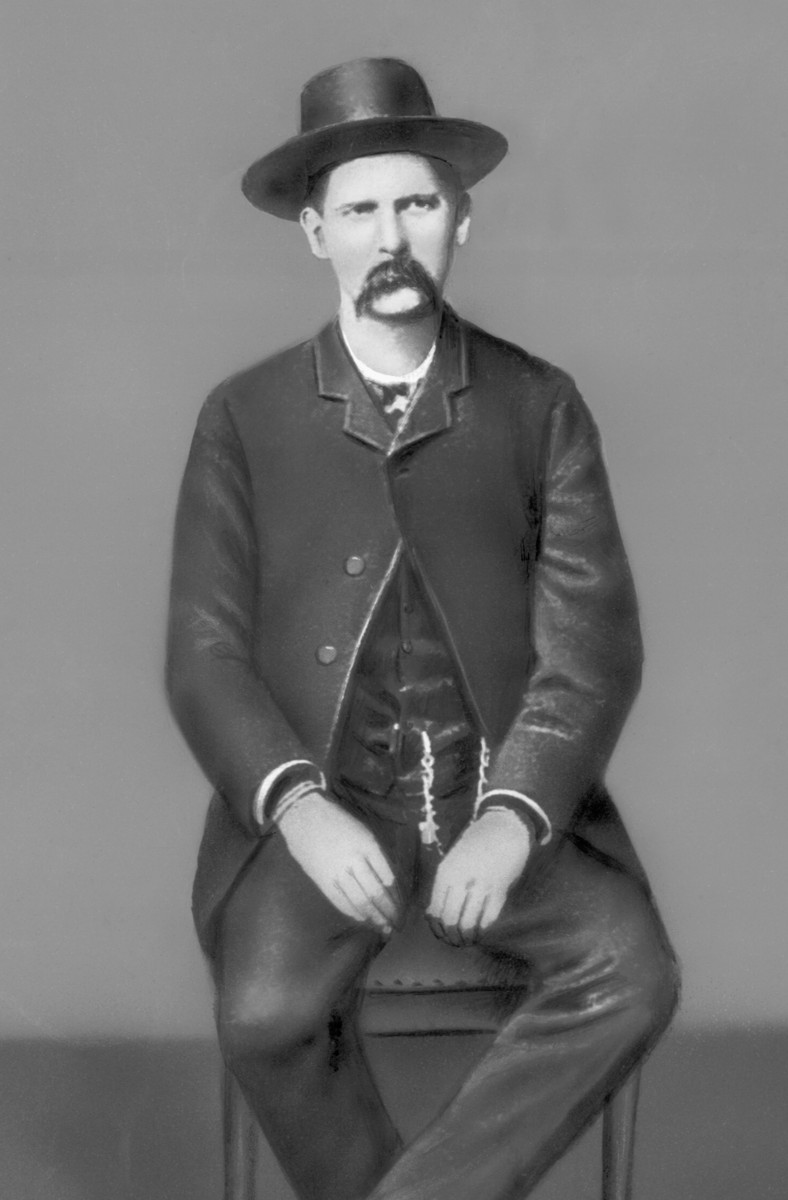
Earp’s role in the 1881 Gunfight at the O.K. Corral would eventually make him the central figure in roughly 20 motion pictures, portrayed by everyone from Henry Fonda and Burt Lancaster to Kurt Russell and Kevin Costner.
With all the marshaling that made him famous already behind him, why is Earp hidden in the background of a photo among other men who don’t even seem aware of his identity?
Why isn’t such a distinguished figure standing front and center, with others celebrating the occasion of his presence?
And why is Earp described in the UNLV Special Collections archive, according to information provided by the Harry Floyd Alter Photograph Collection, only as “prospector Wyatt Earp?”
The Stuff of Legend
At this time, Earp would have been known primarily in the Western communities where he had lived and worked. He received newspaper coverage, but not all of it was favorable. Critics faulted him both for the aftermath of the O.K. Corral gunfight and for his officiating of the 1896 Bob Fitzsimmons-Tom Sharkey heavyweight championship bout in San Francisco. (Earp awarded the fight to Sharkey on a foul, even though Fitzsimmons appeared to have knocked him out with a punch to the jaw.)
Earp’s national hero status came much later. The catalyst was Stuart Lake’s 1931 biography, “Wyatt Earp: Frontier Marshal,” which heavily romanticized and fictionalized his story. The films and “The Life and Legend of Wyatt Earp,” an ABC television series that ran from 1955 to 1961, were all based on that book, which Earp never lived to read. (It was published two years after his death.)
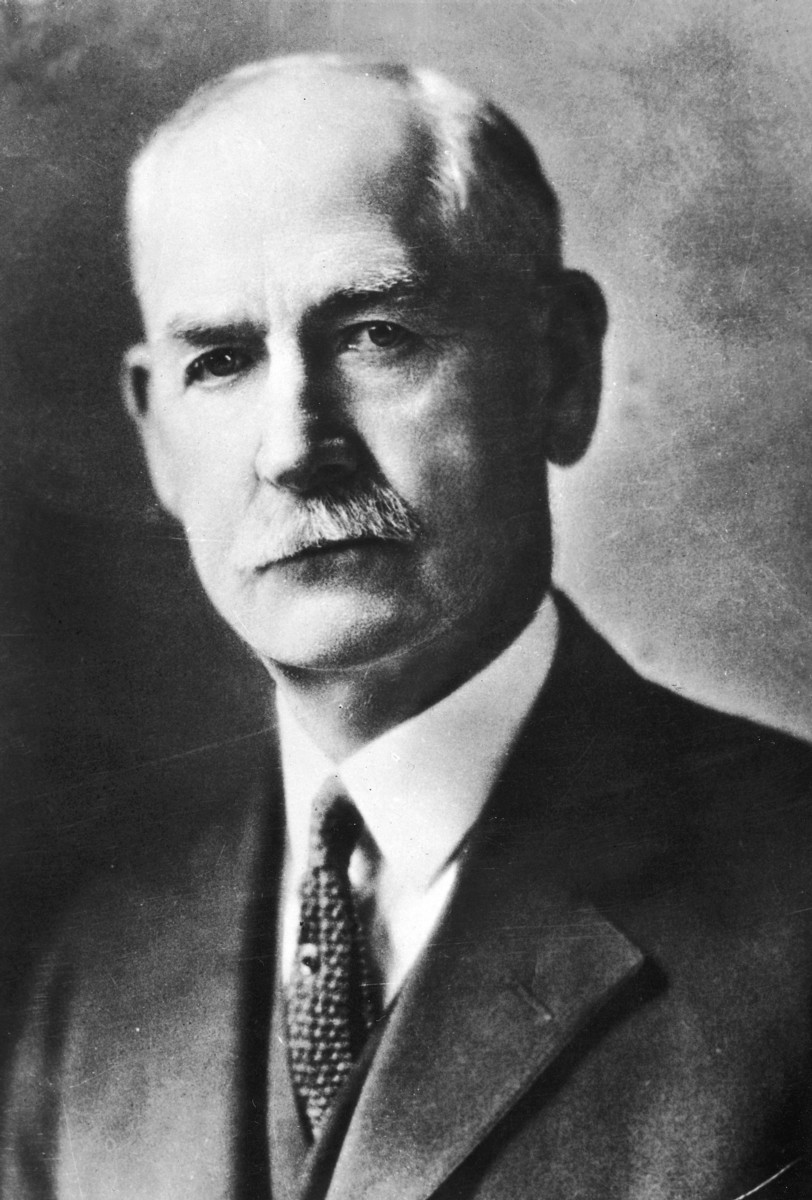
To the men drinking and gambling inside the Arizona Club in that photo, Earp was just another aging prospector among miners, gamblers, and saloon workers — especially if that’s how he identified himself to Alter, the photographer, which is far and away the most likely scenario. Period details in the UNLV archive caption confirm it was recorded accurately at the time: the first bartender on the left is identified as Martin Hamilton, followed by prospector Dad Keith, and a second bartender listed only as “colored porter.”
Harry Floyd Alter was an early Las Vegas resident and photographer whose collection, dating from 1905 to 1916, documents everyday life in the infant town, including Stewart Ranch, local baseball teams, outings at Balance Rock and downtown businesses.
If he shot some of his images for Pop Squires’ newspaper, The Las Vegas Age, that would explain why the same photographs also appear in UNLV’s Charles P. Squires Photograph Collection, in addition to its Leon Rockwell Photograph Collection. Still, UNLV attributes the original print and negative of the Earp photograph directly to Alter’s collection, confirming he was behind the lens.
The fact that this photograph was taken at all owes nothing to Earp’s presence and everything to Alter’s. He just happened to choose that precise moment to enter the bar at 221 N. First St. with his camera.
The Arizona Club would have been worth photographing anyway. With its carved red-mahogany columns and wainscoting, and polished marble baseboards, it was the fanciest establishment in town. The bar itself was a major attraction. A 40-foot red-mahogany beauty with French beveled glass, it reportedly cost $23,000 — approximately $875,500 today, a remarkable sum for the period.
During World War II, when the Arizona Club was shut down along with the rest of Block 16, Last Frontier owners R.E. Griffith and William J. Moore purchased the mahogany bar, which became the centerpiece of their hotel’s Gay 90s Bar. (A 1943 postcard shows it in the Frontier’s Horn Room, but the bar went missing by the time the New Frontier’s fixtures were auctioned off in 2000.)
The appearance of one of the American West’s most iconic figures in the background of this frame is pure historical accident — a snapshot of a legend taken decades before the legend was born.
“Lost Vegas” is an occasional Casino.org series spotlighting Las Vegas’ forgotten history. Click here to read other entries in the series. Think you know a good Vegas story lost to history? Email corey@casino.org.

 Most Read
Another Shooting Near Las Vegas Strip Casino Injures Man
 973,195 views
Vintners Oppose Napa Valley Casino
556,770 views


Conversation (0)
Be the first to comment on this article.