 Main menu

Crime & Scandals
Iowa Athletes Lose Court Fight Over Police Snooping That Ended Careers
Posted on: November 7, 2025, 12:58h.
Last updated on: November 7, 2025, 12:58h.


- Iowa agents tracked college athletes’ betting activity without warrants.
- Judge ruled the searches violated athletes’ Fourth Amendment rights.
- Investigators can’t be sued because qualified immunity protects them.
A botched investigation by the Iowa Division of Criminal Investigation (DCI) into the betting habits of dozens of college athletes was unconstitutional, but the students cannot seek damages because the investigators are protected by qualified immunity, a federal judge ruled this week.
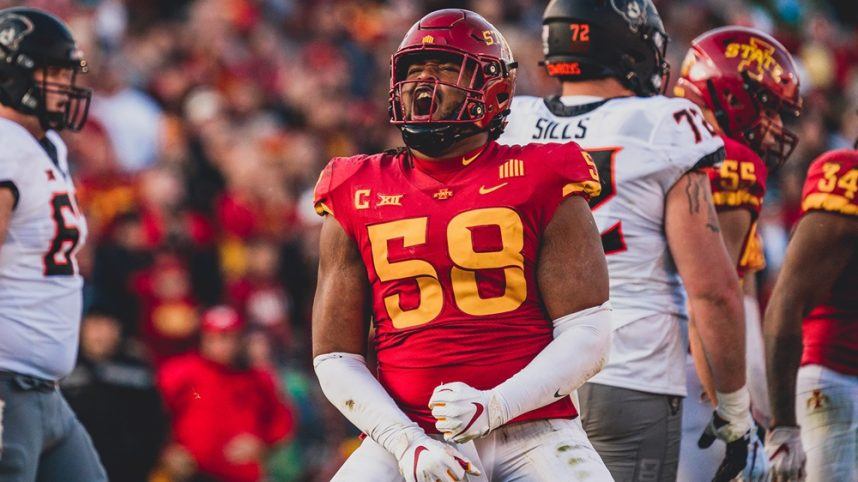
In April 2024, 35 Iowa and Iowa State athletes filed a lawsuit in the Des Moines federal court arguing that DCI agents misused geolocation tracking software to spy on college campus betting. This was done without reasonable suspicion that a crime was taking place, per the lawsuit. The Fourth Amendment of the US Constitution protects Americans against unreasonable searches.
As a result of the investigation and subsequent “malicious” prosecution, the athletes’ lives, collegiate careers, and future opportunities were “severely upended,” according to the lawsuit.
Software Misuse
The DCI used tracking software from the geolocation firm GeoComply to monitor the students’ betting activity on college campuses.
The software, typically employed by online sportsbooks to confirm that wagers are placed within state lines, had also been made available to law enforcement for the fight against fraud.
Agencies could use it to identify gambling “hotspots” — locations with unusually high volumes of bets — as a way to detect potential money laundering or other forms of fraud.
But instead, investigators trained it on campuses in an attempt to catch underaged bettors. When Geocomply found out about the way it was being used, it revoked the DCI’s privileges, according to court documents.
The probe determined that several athletes had placed bets while under the legal gambling age of 21, often using online sportsbook accounts registered to friends or family members, actions that also led to identity theft charges.
Most ultimately pleaded guilty, paid fines, and faced lasting damage to their athletic careers, while four contested the charges and were acquitted.
All remaining charges were dismissed without prejudice by a state court judge on March 1, 2024.
Several athletes lost NCAA eligibility, which effectively ended their college playing careers.
Agents Shielded from Lawsuit
While U.S. District Judge Rebecca Goodgame Ebinger agreed the DCI’s tactics were not legal, she dismissed the case, determining the agents were protected by qualified immunity. This is a legal doctrine that shields government officials from liability unless the constitutional right they violated was clearly established at the time.
Federal courts have not yet set a clear precedent on the use of app-based location data without a warrant.
A series of internal DCI emails obtained by the athletes’ attorneys show that the agency launched the investigation in part to boost the reputation of its Sports Wagering Unit with “the powers that be.”
The messages also reveal the disdain some agents held toward the athletes and the impact the probe could have on their futures.
“If they get suspended or lose a scholarship, so be it,” one agent wrote in a February 2, 2023 email.

 Most Read
Another Shooting Near Las Vegas Strip Casino Injures Man
 972,740 views

Vintners Oppose Napa Valley Casino
556,343 views


Conversation (0)
Be the first to comment on this article.