 Main menu

Commercial Gaming
Drug Trial Prediction Markets Spark Concerns Over Research Integrity
Posted on: July 29, 2026, 03:19h.
Last updated on: July 30, 2026, 04:46h.


Key Points
- Healthcare professionals fear public betting odds could influence trial participants, researchers, and decisions involving experimental treatments
- Critics warn confidential trial data may be accessible to hundreds of researchers, contractors, regulators, and pharmaceutical employees
- A biotechnology professional’s petition urges regulators to prohibit speculative contracts linked to clinical trials and drug approvals


Prediction markets tied to clinical trial results risk sabotaging critical drug development, according to a report from The New York Times.
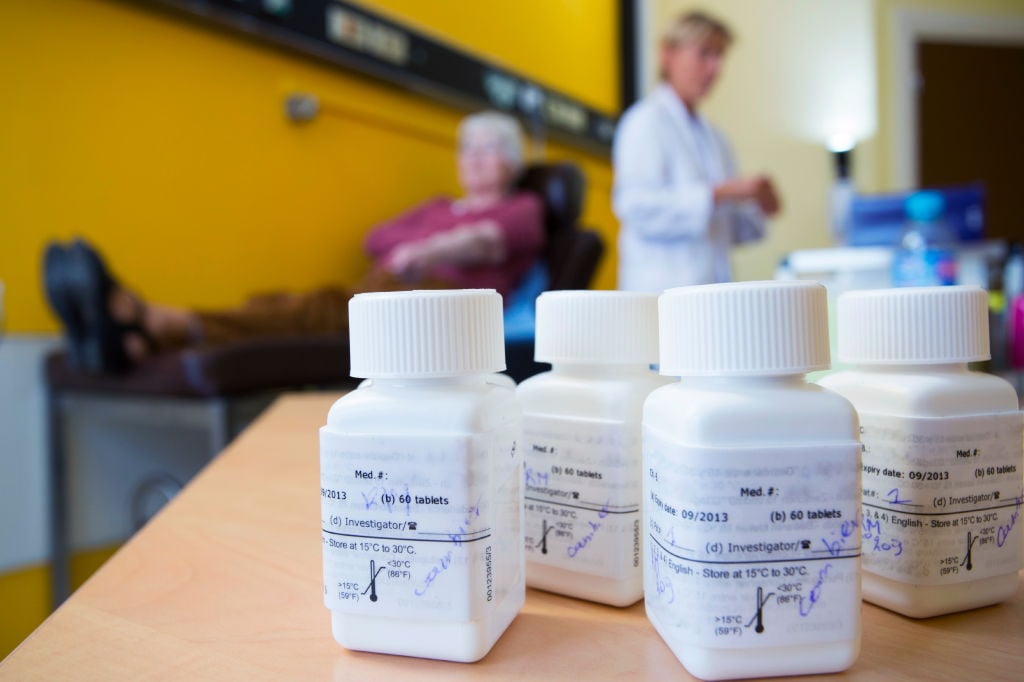
The contracts could lead to compromised results, insider trading, and the erosion of public trust, healthcare professionals have warned.
Currently, some of the markets offered by prediction platforms include whether the Food and Drug Administration (FDA) will approve drugs for lung, breast, pancreatic, and blood cancer.
Former FDA Commissioner Robert Califf told the Times that introducing a betting market around an ongoing randomized trial represented “a breach of scientific conduct.”
Participant Behavior
There are concerns that these markets may cause trial participants to alter their behavior. For instance, someone with a vested financial interest in the failure of a trial might – unconsciously or deliberately – misreport symptoms or withdraw from the study in an attempt to influence its outcome.
A participant who sees traders assigning a poor chance that a trial will succeed might conclude that the experiment is futile and drop out.
Meanwhile, researchers overseeing the trial might also be influenced, consciously or otherwise, by a market suggesting their work is likely to fail.
Critics also argue that the sheer number of people typically involved in a trial – from investigators, statisticians, and data-monitoring committees to contractors, pharmaceutical employees, and FDA personnel – offers scope for insider trading.
‘Moral Hazards’
A Change.org petition started by biotechnology professional David Tsai is urging regulators to prohibit markets linked to clinical trials, which depend on participants sticking around long enough for researchers to collect reliable data.
The petition argues that associating studies with speculative trading could also damage relationships between biotechnology companies and the patient communities they rely upon for recruitment.
By treating clinical development milestones as binary betting events, prediction markets introduce systemic moral hazards that can severely compromise the authenticity of clinical data,” reads the petition.
“When clinical trial results are reduced to mere gambling odds, the risk of manipulating or misrepresenting data increases significantly. This can lead to false confidence in unproven therapies or unwarranted skepticism towards legitimate innovations, ultimately harming patients who depend on accurate information,” the petition adds.
The Times also spoke to cancer patients and clinical-trial participants who expressed concern that deeply personal medical outcomes were being turned into opportunities for financial speculation.
Some noted that in late-stage cancer trials, the success or failure being traded upon may ultimately depend on how long patients survive.

 Most Read

Another Shooting Near Las Vegas Strip Casino Injures Man
 972,743 views

Vintners Oppose Napa Valley Casino
556,348 views


Conversation (0)
Be the first to comment on this article.