 Main menu

iGaming
Dangerously Cute? UK Advertising Watchdog Bans ‘Fluffy Favorites’ Ad
Posted on: October 29, 2020, 01:42h.
Last updated on: October 29, 2020, 09:34h.


Britain’s advertising watchdog has castigated GVC Holdings for a Facebook advertisement that promised to unleash a “rollercoaster of cuteness” on consumers.
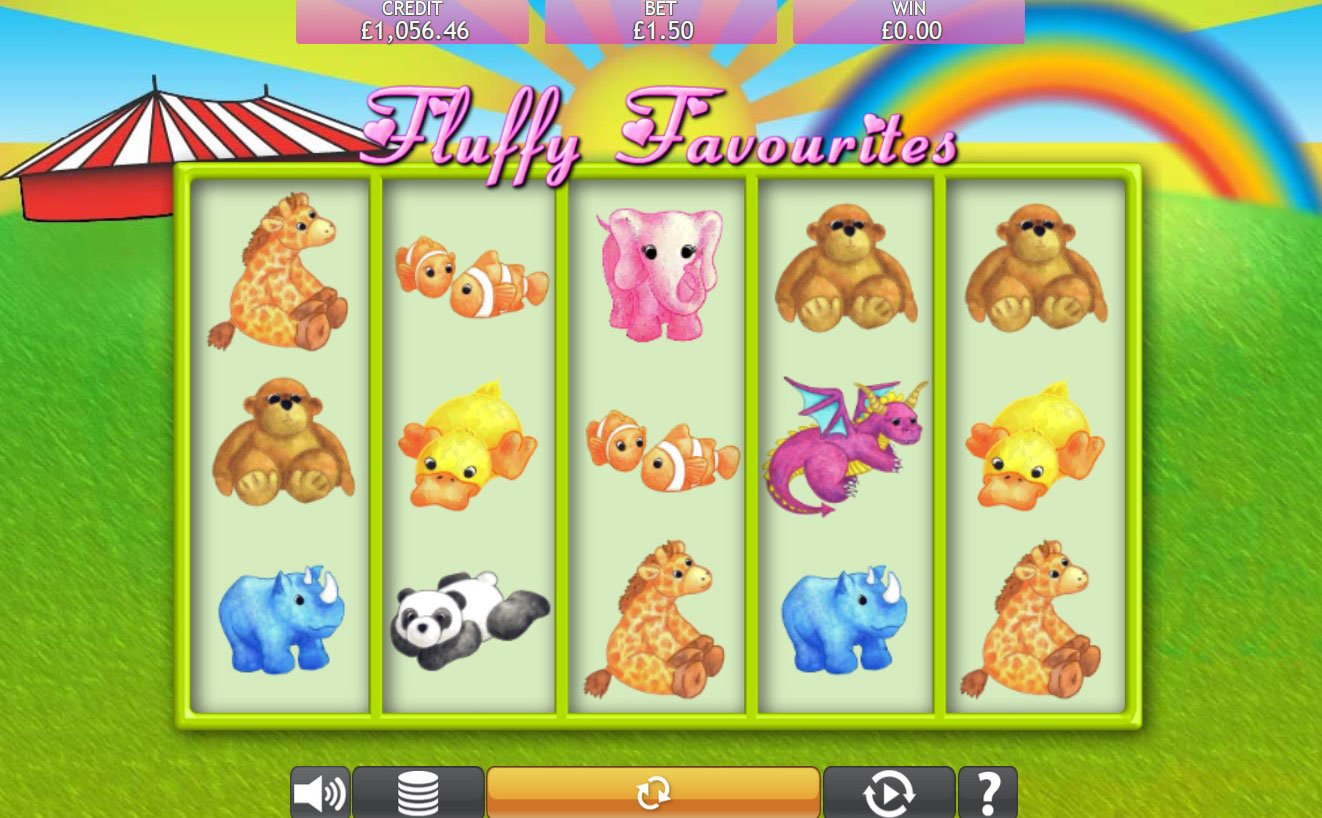
The Advertising Standards Authority (ASA) said that the cartoon-like imagery in the ad for the online slot ‘Fluffy Favourites’, along with the name itself and aforementioned tagline, would likely appeal to those under the legal age to gamble, which in the UK is 18.
Fluffy Favourites is a popular slot made by the Eyecon games studio. Its reels are populated by stuffed animal toys, as you might find in a claw crane machine.
Hazardously Fluffy
The ASA objected to the eight-second video ad, which promoted GVC’s online casino brand Gala Spins. The operator noted that it appeared only on the Gala Spins official Facebook page. This page is only open to people over the age of 18, and therefore could not be seen by underage users.
The operator also contested that neither the game nor the ad was aimed at children. The video was part of a campaign targeting British women between 18 and 65 with an interest in online gambling. Gala Spins was able to provide analytics from the campaign demonstrating that everyone who had seen the ad was over 18 and they were all women.
But the ASA wasn’t convinced.
“We understood that targeting of the ad was based on an audience which had self-reported their age and where there were otherwise no prohibitions on under-18s,” it said in its ruling. “Therefore, the steps taken could not ensure that under-18s, who falsely reported their age, were not exposed to the ad. We, therefore, considered whether it complied with the Code’s requirement that gambling ads must not be of particular appeal to children.”
Cartoon Ban
The ASA found the ad had violated regulation 16.1 of its code, which states, “Marketing communications for gambling must be socially responsible, with particular regard to the need to protect children, young persons, and other vulnerable persons from being harmed or exploited.”
It was also “likely to be of particular appeal to children or young persons, especially by reflecting or being associated with youth culture” – another rule infringement.
In February 2019, the UK Gambling Commission (UKGC) implemented a ban on the advertising of gambling games that might appeal to children, including those that featured cartoon characters.
The regulator is concerned advertising is normalizing gambling for children. According to a UKGC study, an estimated 55,000 out of all 11- to 16-year-olds in Britain are classified as problem gamblers. Gambling companies that break advertising rules can be subject to substantial financial penalties.

 Most Read

Another Shooting Near Las Vegas Strip Casino Injures Man
 972,662 views

Vintners Oppose Napa Valley Casino
556,270 views


Conversation (0)
Be the first to comment on this article.