CGA CEO Warns iGaming Ontario Study Controversy Erodes Trust
Posted on:
October 22, 2026, 07:20h.
Last updated on:
October 22, 2026, 07:20h.
Written by
Mark Keast
Mark is a long-time, seasoned journalist, as a writer and editor, working for several Toronto daily newspapers, then moving over to the digital arena, covering both sports and business. Over the past few years he moved over to the gaming arena, specifically covering the igaming industry in Canada for several platforms, as well as writing on sports betting.
Key Points
CGA CEO Paul Burns warns withheld problem gambling research risks undermining public trust in iGaming
Toronto Star investigation reveals iGaming Ontario withheld research findings, citing concerns about the study's methodology
iGaming Ontario defends its player protection efforts, highlighting nearly $5 million in responsible gaming investments
Share
The president and CEO of the Canadian Gaming Association (CGA) says a newspaper investigation into iGaming Ontario’s decision to withhold a study tracking problem gambling rates risks damaging the reputation of an industry built on transparency and trust.
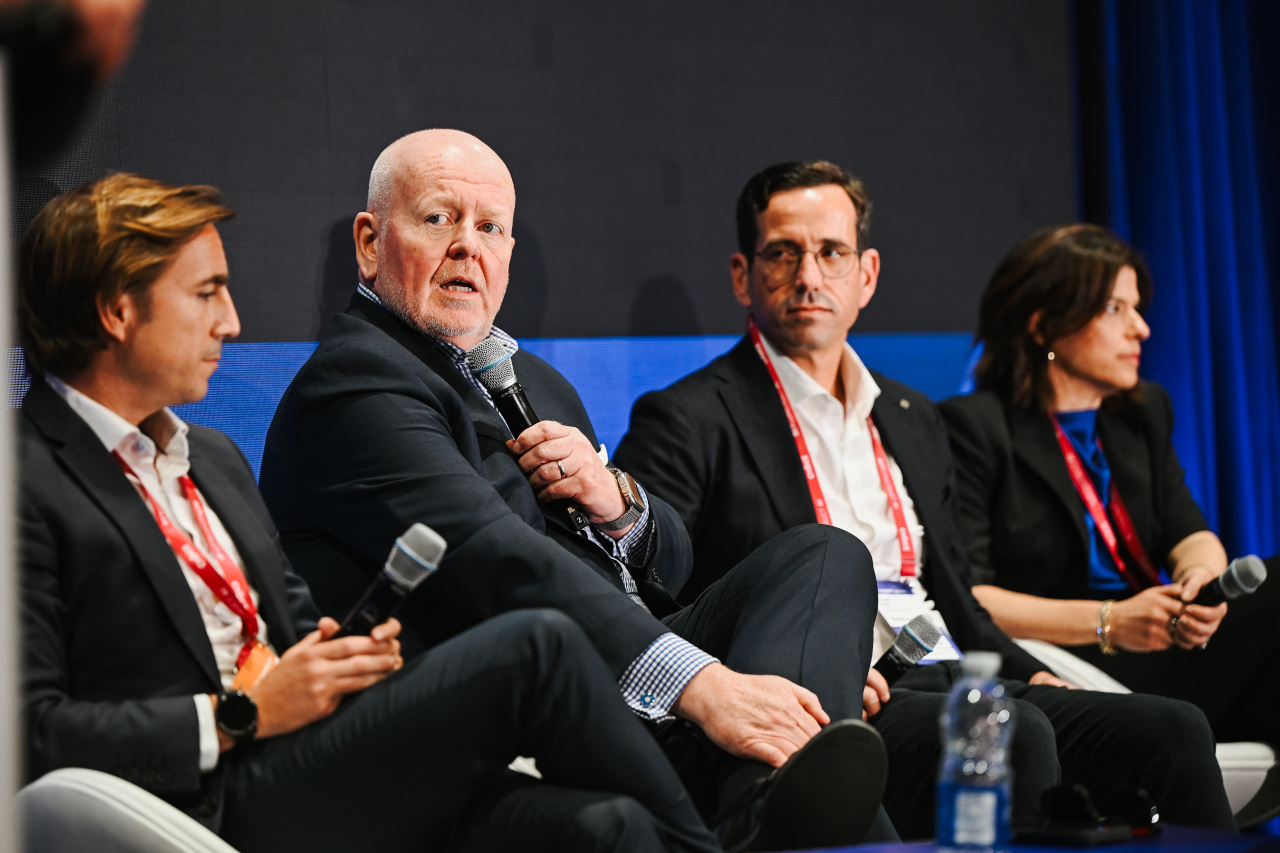
Canadian Gaming Association President and CEO Paul Burns speaks during SBC Summit Canada in Toronto in May. (Image: SBC)
“I think better choices could have been made,” said Paul Burns. “It’s unfortunate. The iGaming industry is built on trust and transparency. We support public, evidence-based research. We need trustworthy data. We want a clear picture of what the state of gambling, harm, and play is in the province. The iGaming industry in Canada is well known for its commitment to an advanced, accountable, player-focused approach.”
iGO: Research Methodology Raises Serious Questions
According to Toronto Star reporting, internal documents obtained through freedom of information (FOI) requests show that iGaming Ontario (iGO) commissioned research by the Responsible Gambling Council before the Ontario regulated iGaming market launched in April 2022 that examined problem gambling rates, but decided against releasing the findings.
The Star reported that iGO, which conducts and manages iGaming in the province on behalf of the government, had previously committed to making the research public.
As work progressed on the 2021 study, Casino.org has learned that iGO identified concerns with the study’s methodology, determining that it did not meet the standard required to inform policy development.
Burns Calls For Greater Transparency
“We have all worked to support building strong regulated markets with comprehensive protections for players,” said Burns. “We shouldn’t be wanting to move to hide things. It doesn’t do us any good. Without data and information, gaming policy and regulation get shaped by headlines and anecdotes, and that doesn’t serve anybody.”
The initial request from the Star identified more than 1,750 pages of potentially relevant records. When finally released, the Star said they were heavily redacted, with the researchers’ findings obscured and hundreds of pages withheld entirely.
According to the Star, iGaming Ontario said that releasing certain records could “harm the province’s economic interests.”
Newspaper Demands Answers From Ford
The controversy comes amid evidence of increasing gambling harms, the Star reported, citing rising gambling-related emergency room visits, bankruptcies, calls to problem gambling support services, and suicides in Ontario.
The newspaper’s investigation is continuing. On Monday (Oct. 19), the Star editorial board called for Premier Doug Ford to address the story.
“It is appalling that a report showing problem gambling in Ontario to be significantly higher than expected was shelved by a provincial agency and that ‘gag orders’ were considered to prevent leaks,” the Star’s editorial read.
In a statement to Casino.org, an iGaming Ontario spokesperson said Ontario’s regulated online gaming market has some of the country’s strictest standards.
iGaming Ontario Defends Player Protections
“We continue to work with our partners to strengthen responsible gaming and protect players across the province,” the spokesperson said.
“iGaming Ontario has implemented a variety of structural and programmatic improvements to better support responsible gaming. These include investing nearly $5 million over the last year in responsible gaming initiatives and player supports, including on-campus education and outreach programs as well as the launch of BetGuard, Ontario’s new self-exclusion tool that allows players to opt out of the regulated online gaming market.
“We will continue to build on these protections while introducing new tools, programs and partnerships that support player health across Ontario.”
Burns added that one way to measure the efficacy of an iGaming regime and regulatory oversight is through independent research.
Mark is a long-time, seasoned journalist, as a writer and editor, working for several Toronto daily newspapers, then moving over to the digital arena, covering both sports and business. Over the past few years he moved over to the gaming arena, specifically covering the igaming industry in Canada for several platforms, as well as writing on sports betting.
Share
Sign up to our newsletter for the latest casino news direct to your inbox.
Join 10,000 other casino fans who have already signed up.
 Main menu



 Most Read

 972,735 views



Conversation (0)
Be the first to comment on this article.