What States Have Casinos in 2026?

Summarize this post
Key Takeaways
- Most US states have some form of casino gambling, but not all of them have full commercial casino markets.
- Some states are built around commercial casinos, some rely mostly on tribal casinos, and others mainly offer racinos, card rooms, or limited casino-style gaming.
- California and Oklahoma are major tribal gaming states, while Nevada, New Jersey, Pennsylvania, and Michigan are among the best-known commercial casino markets.
- Connecticut has major tribal casinos but no land-based commercial casino market.
- Utah and Hawaii remain the clearest no-casino states in the country.
If you are asking what states have casinos, the short answer is: most of them do, at least in some form. But that does not mean every state has Las Vegas-style casino resorts. In 2026, the US casino map includes full commercial casinos, tribal casinos, racinos, card rooms, and limited gaming venues, depending on the state.
That distinction matters. A state may have casino gambling without having a broad commercial casino market. Another may have tribal casinos but no commercial casinos at all. And a small number of states still have no casinos. If you want a clean answer, you need to separate those categories instead of lumping them together.
Which US States Have Casinos?
Most states have some form of casino gambling or casino-style gaming. The cleanest way to think about it is by category: states with commercial casinos, states with tribal casinos, states with racinos or limited gaming venues, and states with no casinos at all.
That is more useful than a giant, messy list because “casino” can mean very different things from one state to another. In Nevada, it means full commercial resort casinos. In California, it mostly means tribal casinos plus card rooms. In Connecticut, it means major tribal casino properties without land-based commercial casinos. In Kentucky, the real action is at racing venues built around Historical Horse Racing rather than traditional casino legalization.
What Does “Having Casinos” Actually Mean?
This is the part many articles skip, and it is why readers end up confused.
Commercial casinos
Commercial casinos are licensed under state law and regulated directly by state gaming authorities. These are the classic casino markets most readers think of first. Nevada, New Jersey, Pennsylvania, Michigan, Indiana, Maryland, Massachusetts, and several other states fall into this category.
Tribal casinos
Tribal casinos operate under federal law and tribal-state compacts, not the same legal system that governs commercial casinos. That is why a state can have major casinos without having a normal commercial casino market. California, Oklahoma, Connecticut, Minnesota, Arizona, New Mexico, and Washington are strong examples of that model.
Racinos
Racinos are race tracks or pari-mutuel venues that also offer slot-style gaming or other electronic gaming. In some states, racinos are a major part of the casino landscape. New York, Ohio, Delaware, West Virginia, and Massachusetts are good examples of places where racinos matter.
Card rooms and limited gaming venues
Some states do not have broad commercial casino resorts but still allow card rooms or distributed gaming. California and Washington both stand out for card-room play, while states like Illinois, Montana, South Dakota, and Nevada also have limited or distributed gaming outside traditional resort casinos.

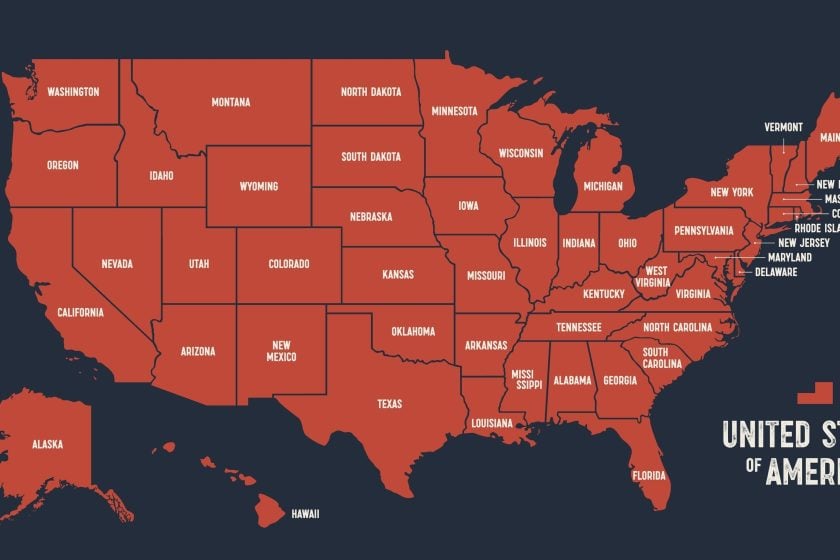
Image Credit: Foxys Graphic/Shutterstock
Where Casinos Are Legal
States with major commercial casino markets
If you are looking for the states most people associate with full casino gambling, start here.
Nevada is still the benchmark. No state matches its casino density, tourism profile, or resort scale.
New Jersey remains one of the country’s most important commercial casino states, with Atlantic City as the centerpiece and a mature online gambling market adding to its reach.
Pennsylvania is one of the largest commercial casino markets in the country and has grown into a powerhouse thanks to a wide land-based footprint and strong digital revenue.
Michigan has major commercial casino properties in Detroit and a broader statewide gambling footprint that makes it one of the more complete gaming markets in the Midwest.
New York has a layered market that includes racinos, full commercial casino resorts, and a major expansion story tied to downstate licenses.
States where tribal casinos lead the market
These states absolutely have casinos, but the legal structure is different.
California is the biggest example. It has one of the largest tribal gaming footprints in the country, but it does not have a normal statewide commercial casino market. Card rooms are legal there, but they are not the same as full commercial casinos.
Oklahoma is another giant in tribal gaming by sheer property count. If you are counting casino locations, Oklahoma is always near the top of the list.
Connecticut has two of the most famous casino properties in the Northeast, Foxwoods and Mohegan Sun, but no land-based commercial casino venues.
Washington, Minnesota, Arizona, and New Mexico also lean heavily on tribal gaming rather than a classic commercial casino model.
States with mixed markets
Some states do not fit neatly into one box.
Florida has tribal gaming, slot facilities tied to certain pari-mutuel properties, and card rooms, which makes it a mixed gambling state rather than a clean commercial-casino state in the Nevada or Pennsylvania sense.
Washington mixes a tribal casino market with licensed card rooms.
Texas has tribal gaming locations, but it is still not a broad casino state. Kickapoo Lucky Eagle, Naskila, and Speaking Rock give Texas some casino-style gambling, yet the state still lacks a statewide commercial casino market.
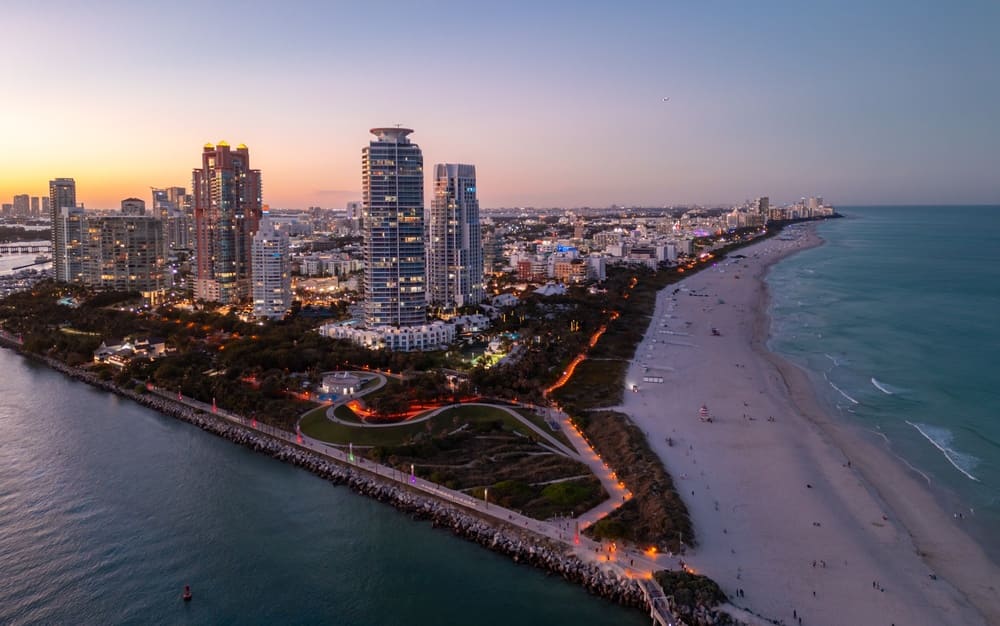
Image Credit: Foxys Graphic/Shutterstock
What Kind of Casinos Each State Has
For readers trying to plan a trip or simply understand the map, the real question is not just “Does this state have casinos?” It is “What kind of casino experience does this state actually offer?”
If you want large-scale commercial casino resorts, states like Nevada, New Jersey, Pennsylvania, Michigan, and parts of New York are the clearest fits.
If you are comfortable with tribal casino markets, California, Oklahoma, Connecticut, Arizona, Minnesota, and Washington all matter. In some of those states, tribal casinos are the dominant product.
If you are really looking at slot-style gaming attached to racing venues, then states like New York, Ohio, Delaware, West Virginia, Massachusetts, and Kentucky deserve a different label. Kentucky is especially worth noting because Historical Horse Racing venues look and feel casino-like to many players, even though the state does not frame them as traditional casinos.
States Without Casinos
This list is smaller than many readers think. Utah remains the clearest anti-gambling state in the country. Its laws prohibit gambling broadly, and it has no casino market.
Hawaii is the other big outlier. It still has no legal casino gambling and no state lottery, which keeps it in a category of its own with Utah.
After that, the conversation gets trickier. States like Georgia, South Carolina, and Tennessee do not have traditional casino markets, but the exact gambling landscape still differs from state to state because lotteries, bingo, sports betting, or other limited products may exist. That is why they are better described as states without traditional casinos rather than grouped too loosely with Utah and Hawaii.
Which States Have the Most Casinos?
The answer depends on what you mean by “most.”
If you mean raw number of gaming properties, Oklahoma and California are always in the conversation because of their massive tribal gaming footprints.
If you mean market scale, Nevada still stands alone because of the size and density of its resort industry. Pennsylvania and New Jersey are also heavyweight markets, while Michigan and New York belong in the next tier of big-name casino states.
That is why this topic gets messy so fast. The state with the most casino locations is not necessarily the state with the biggest casino market, and neither is always the state with the best-known casino brand.
Bottom Line
Most US states have casinos in some form, but not all casino states look the same. Some are built around full commercial resort casinos. Some rely mostly on tribal gaming. Some mainly offer racinos, card rooms, or other limited casino-style venues. And a small number still have no casinos at all.
If you are searching “what states have casinos,” the safest answer is this: most do, but you need to check what kind of casino market each state actually has before assuming it offers a full Las Vegas-style experience. That distinction is the whole story.
FAQs
Most US states have some form of casino gambling in 2026, whether through commercial casinos, tribal casinos, racinos, or limited gaming venues. The exceptions are much smaller in number than the states that allow some version of casino gambling.
No. Casinos are not legal in all 50 states. Utah and Hawaii remain the clearest no-casino states, while several other states still do not have traditional casino markets even if they allow some other form of gambling.
Utah and Hawaii are the clearest examples. Other states such as Georgia, Tennessee, and South Carolina do not have traditional casino markets either, but they may still allow other gambling products like lotteries or limited charitable gaming.
Commercial casinos are licensed and regulated under state law. Tribal casinos operate under federal law and tribal-state compacts. For players, the experience can look similar, but the legal structure behind the property is very different.
It depends on how you count. Oklahoma and California are leaders by property count because of tribal gaming, while Nevada leads in casino density, scale, and brand recognition.
Yes, and Connecticut is one of the clearest examples. It has major tribal casinos, including Foxwoods and Mohegan Sun, but no land-based commercial casino venues.
Title Image Credit: Foxys Graphic/Shutterstock