Side bets are independent of the main Pai Gow hand. They resolve separately and are usually based on the strength of your seven-card hand (not how you set high and low), so you can lose the main game and still cash a side bet, or win the main game and miss all side bets.
Fortune Bonus is the main side bet and the paytable is everything. Most versions start paying at three of a kind or better, with bigger jumps for rarer hands. Small changes to the posted payout schedule can swing the value from tolerable to brutal, so you must read the layout every session.
Envy Bonus value depends on table occupancy and is often a fixed payout. More players means more chances someone hits the qualifying premium hand that triggers Envy. Because Envy is commonly a flat amount, betting bigger on Fortune does not increase Envy value, which makes minimum Fortune bets the most rational way to participate.
Progressives are only attractive when the jackpot meter is high enough. A progressive wager’s expected value improves as the meter grows, but most of the time it sits below break-even levels. Unless you are deliberately tracking the meter and paytable, you are typically buying volatility.
Treat side bets as entertainment and control them with a strict budget. Side bets add swings to a game chosen for low stress. The dealer-approved approach is to know your goal (bankroll longevity vs excitement), cap your side-bet spend, do not chase, and never assume paytables are the same across tables or casinos.
If Pai Gow Poker is the calm, low-stress table game that lets your bankroll breathe, then the side bets are the flashing neon lights trying to pull your eyes, and your chips, away from the main action. Sit down at any Pai Gow table and you’ll see them right away: extra betting circles just beyond your main wager. Dealers mention them casually, “Fortune’s open,” “Progressive is live,” and before long, players are reaching for a few more chips.
Pai Gow side bets do two things extremely well, create loud, table wide celebrations, and quietly bleed bankrolls when players don’t really understand what they’re betting on. These side bets can absolutely be fun, flashy, and occasionally lucrative, but only if you know what you’re buying.
Let me lay it out straight from the dealer’s box, what these bets really are, how the common ones pay out, and if they’re actually worth your chips or just a distraction. I’m writing this from a dealer’s-eye view: side bets are where I saw the most excitement, and the most confusion. My goal here is simple: help you understand what you’re buying before you toss chips on the lights.
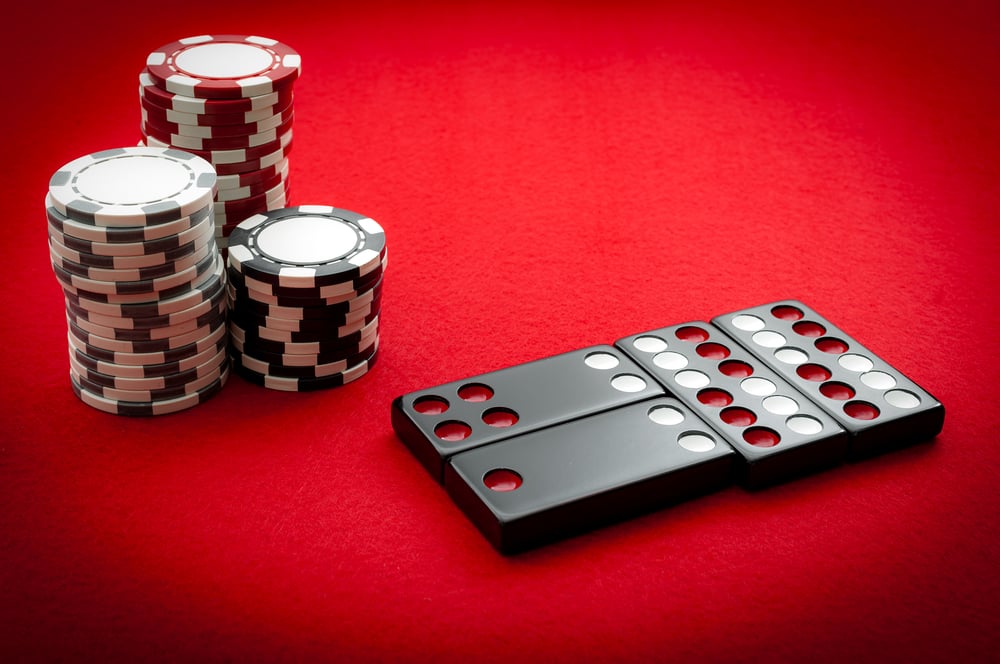
Image Credit: Victor Moussa/Shutterstock
Pai Gow Side Bets: What You’ll Learn
What Pai Gow side bets are and how they differ from the main game
How the Fortune Bonus works (and which hands qualify)
Why the Envy Bonus changes depending on how full the table is
How Pai Gow progressive side bets really work and why the meter matters
What Ace High and other Face Up Pai Gow side bets are
A practical, dealer-approved way to decide if side bets are worth it
Quick Answer: Are Pai Gow Side Bets Worth It?
Pai Gow side bets can deliver big payouts and memorable moments, but they usually come with a higher house edge and a lot more volatility than the main Pai Gow bet. Long story short: they’re great for entertainment, risky as a long-term play, and always dependent on the paytable in front of you.
What Are Pai Gow Side Bets?
Side bets in Pai Gow Poker are optional wagers placed alongside your main bet. They’re resolved separately from the main hand and usually have nothing to do with whether you beat the dealer. In most cases, the payout is based entirely on the strength of your seven-card hand, and not how you set your high and low hands.
That distinction trips players up. You can lose your main Pai Gow hand and still get paid on a side bet. You can also win the main hand and lose every side bet. They live in their own lane.
From the casino’s point of view, side bets exist because players love jackpot-style payouts. From a math point of view, they usually carry a higher house edge than the base game. That combination explains why casinos are more than happy to spread them.
Every Pai Gow table has its own math because every paytable is different. I’m not here to hype jackpots. I’m here to make sure you read the felt like a contract before you sign it with your bankroll.
Image Credit: Victor Moussa/Shutterstock
The Big One: Fortune Bonus (How It Works)
The Fortune Bonus – sometimes called the Fortune side bet – is by far the most common option you’ll see, and nearly every Pai Gow table offers some version of it.
How the Fortune Bonus Works
You place the bet before the cards are dealt.
Your seven-card hand is evaluated against a paytable.
If you have a qualifying hand, you get paid, no matter how the main hand turns out.
Basically, a “qualifying hand” is a five-card poker hand that ranks as three of a kind or better, based on your seven cards. In most versions of the game, how you set your hand doesn’t matter for Fortune purposes. The casino looks at all seven cards together, not the final split you put on the felt.
Typical Fortune Bonus Qualifying Hands
While paytables vary, most Fortune Bonus bets pay out:
Three of a kind
Straight
Flush
Full house
Four of a kind
Straight flush
Royal flush
As the hands get rarer, the payouts jump fast. The biggest numbers on the layout are reserved for straight flushes and royals, which is exactly what makes the bet so tempting.
Typical Minimums and a Reality Check
At most tables, the Fortune Bonus has a $5 minimum, even if your main bet is much larger. That low barrier is intentional. It makes the bet feel harmless.
From behind the table, I saw the same pattern play itself out again and again. A player hits one solid Fortune early in the session, then spends the next few hours chasing that feeling. The payouts look great on paper, but they don’t come often. Depending on the paytable, the house edge can range from fairly mild to downright punishing, and most players never realize which version they’re playing.
Envy Bonus: Why Full Tables Change the Math
The Envy Bonus is directly tied to the Fortune Bonus and is easily one of the most misunderstood aspects of Pai Gow.
What Is the Envy Bonus?
If another player at the table hits a qualifying Fortune hand, often four of a kind or better, everyone else who made a Fortune bet receives an Envy payout.
You don’t need a good hand of your own. You just need to have a Fortune bet on the layout.
Why Table Occupancy Matters
Here’s the part that trips players up: The Envy Bonus is often a flat, fixed payout, such as $5 or $10, regardless of how much you bet on Fortune.
That means a few important things:
Full tables trigger Envy Bonuses more often because more hands are in play.
Betting the minimum on Fortune often makes more sense than betting big.
Larger Fortune bets don’t increase Envy value.
From a math standpoint, Envy slightly softens the blow of the Fortune Bonus over time. It doesn’t turn it into a great bet, it just makes small, disciplined wagers less painful than oversized ones.
Image Credit: Victor Moussa/Shutterstock
Pai Gow Progressive Side Bets (And Why the Meter Matters)
Many Pai Gow tables, especially Face Up or electronic versions, offer a progressive side bet, usually advertised by a big, glowing jackpot meter.
How Progressive Side Bets Work
A portion of every progressive wager feeds the jackpot.
Specific premium hands trigger the top payout.
Smaller qualifying hands may still pay fixed amounts.
The key concept here is the break-even meter. As the jackpot grows, the value of the bet improves. In theory, a progressive can become a reasonable wager if the meter climbs high enough.
The Reality at Live Tables
Most players never look closely at the meter. Casinos count on that. Progressives reset after hits and spend most of their life well below favorable levels.
Here’s my two cents: think of progressives like fireworks, big flash, lots of excitement, but don’t plan your whole night around them unless you’ve crunched the meter numbers yourself.
Face Up Pai Gow and Ace High Bonus Side Bets
Face Up Pai Gow adds a few extra twists, including side bets tied to the dealer’s hand.
Ace High / Push Ace High Bonuses
Some Face Up Pai Gow games allow players to bet that the dealer will end up with an Ace High Pai Gow hand. Depending on the table rules, this may:
Trigger a bonus payout
Turn a push into a win
Or pay regardless of the main hand’s outcome
These bets aren’t standardized. Paytables can vary widely by casino, and even by table, so always read the layout or ask the dealer before betting. This is one area where assumptions get expensive fast.
Are Pai Gow Side Bets Worth It? A Practical Framework
This is the same advice I gave friends, and occasionally players, when they asked me this question in the casino.
Step 1: Know Why You’re Playing Them
If you’re playing Pai Gow for its slow pace and low volatility, side bets work against that goal. They add swings to a game designed to smooth them out.
If you’re playing for excitement and the chance at a big moment, side bets do exactly what they’re supposed to do.
Step 2: Read the Paytable (Every Time)
Paytables vary by casino, by table, and sometimes even by shift. Small changes make a big difference. This step isn’t optional. It’s the single most important thing you can do before putting money on a side bet.
If you take one habit from this article, make it this. I don’t judge a side bet by the top payout. I judge it by the qualifying hands, the hit frequency, and the exact paytable printed on your layout.
Step 3: Cap Your Side-Bet Budget
Decide in advance how much you’ll spend per hand or how much per session. Then stick to it. Side bets punish emotional decisions faster than almost anything else in Pai Gow.
I treat side bets like tipping the DJ. Fun when it’s planned, painful when it’s emotional. Decide your side-bet budget before the first hand, and if you catch yourself chasing, that’s your signal to stop.
Side bets reward informed choices – not wishful thinking.
FAQ: Pai Gow Side Bets
What are the side bets in Pai Gow Poker?
The most common Pai Gow side bets are the Fortune Bonus, Envy Bonus, progressive side bets, and Face Up Pai Gow bonuses like Ace High payouts. All are optional and resolved separately from the main game.
What is the Fortune Bonus in Pai Gow?
The Fortune Bonus pays based on the strength of your seven-card hand, starting at hands like three of a kind or better, depending on the paytable.
What is the Envy Bonus in Pai Gow?
The Envy Bonus pays Fortune bettors when another player hits a qualifying premium hand, usually four of a kind or higher.
Are Pai Gow side bets worth it?
Generally, Pai Gow side bets have a higher house edge and more volatility than the main game. They’re best treated as entertainment, not strategy.
Do Pai Gow progressives ever become good bets?
In theory, yes, IF the jackpot meter grows large enough. In practice, most players wager on them long before they reach favorable levels.
What is the Ace High bonus in Face Up Pai Gow?
Some Face Up Pai Gow games offer side bets that pay when the dealer ends with an Ace High hand. Rules and payouts vary by casino.
Final Takeaway
Pai Gow side bets exist to add excitement and they do that extremely well. Fortune Bonuses, Envy payouts, and progressives can turn a quiet table into a celebration in seconds. But they’re not free money, and they’re not designed to help your bankroll last longer.
If you play them:
Read the paytable
Bet small
Treat them as entertainment
Know what you’re betting on before you bet it, and may the side bets be always in your favor.