How to Spot Gambling Addiction: Warning Signs You Shouldn’t Ignore

Summarize this post
Key Takeaways
- Compulsive gambling (or gambling addiction) involves the uncontrollable urge to keep gambling despite significant negative consequences.
- Chasing losses is a key gambling disorder warning sign.
- It’s a bad precedent to use gambling to escape from other personal problems and can lead to gambling disorders.
- Gambling addiction can be very similar to substance addiction.
- There are numerous resources to help those who feel they may have a problem with gambling.
Gambling addiction is usually easier to spot in patterns than in one dramatic moment. Some serious red flags include chasing losses, hiding bets, spending more than initially planned as par of a betting budget, or gambling despite obvious damage to someone’s financial well-being or relationships.
Knowing the warning signs of gambling addiction, or even problem gambling that may not quite reach the addiction stage, is important when engaging in any form of gambling. Prevention is key in keeping your own interest in gaming from becoming a real problem.
Keep reading to learn more about how to spot gambling addiction for a more responsible trip to the casino, online gaming platform, or sports betting site.
What Is Gambling Addiction?
Many people can gamble a bit or place a few dollars on a sporting event as entertainment. However, for some gambling can be a real issue, triggering the need to continue gaming beyond what most would consider responsible.
This is when someone should be concerned about their own habits in a casino or online and can drift into the realm of problem gambling. Knowing the signs of gambling addiction can make a real difference, but first, what is gambling addiction?
“Compulsive gambling, also called gambling disorder (or gambling addictions), is the uncontrollable urge to keep gambling despite the toll it takes on your life,” according to the Mayo Clinic. “Gambling means that you’re willing to risk something you value in the hope of getting something of even greater value.”
According to the National Council on Problem Gambling, about 1% of American adults, a total of 2.5 million, suffer from a severe gambling problem. Another 5 to 8 million have mild or moderate issues and at least 20 million have experienced at least one problem gambling behavior each year.
In the UK, around 1.4 million adults are estimated to have a gambling problem, about roughly 2.7% of the population. These rates can climb even higher in economically disadvantaged areas. Similar rates of compulsive gambling can be found across much of Europe as well.
These numbers show why every gambler should know how to spot gambling addiction and compulsive gambling symptoms. Awareness is a major part of keeping gambling and social, entertaining activity, and doesn’t move into the problem gambling category.
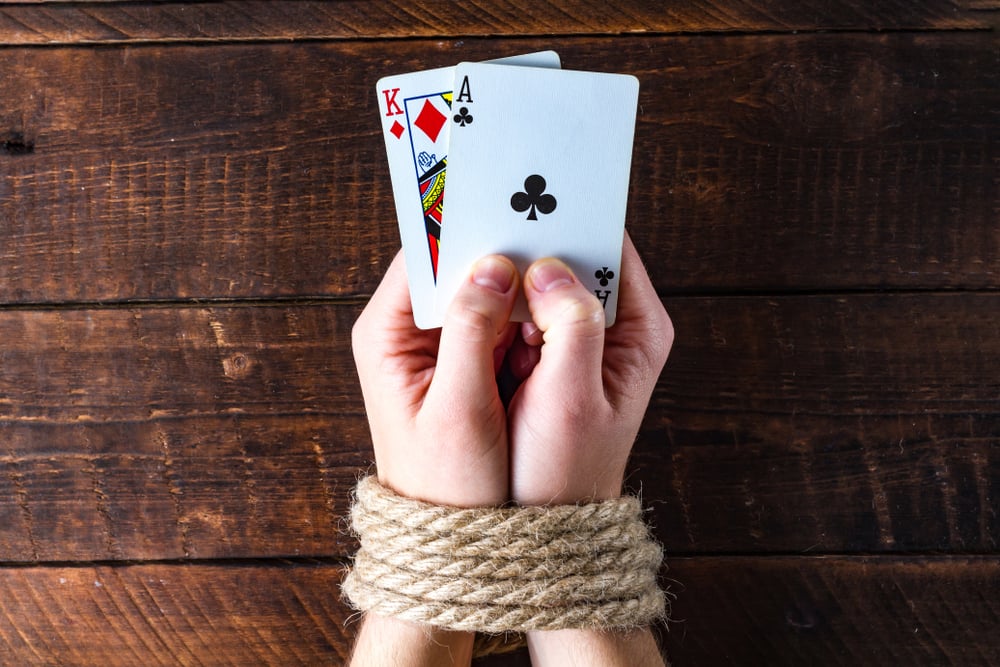
Image Credit: goffkein.pro/Shutterstock
The Biggest Warning Signs of Gambling Addiction
Visiting a casino or gaming online can be a fun form of entertainment, but it’s critial to know when things go too far. Here’s a look at problem gambling signs to watch for.
Loss of control
Someone addicted to gambling may feel that their need for betting is uncontrollable. These people may try to control or cut back on their gambling on their own, usually without much success. A person with a problem may be thinking or talking about gambling all the time. This preoccupation is unhealthy, according to experts, and may be a sign of a problem.
Chasing losses
This compulsive gambling symptom involves the desire to gamble more in an effort to make up for previous losses.Chasing gaming losses can lead to incurring considerable risk at the expense of personal financial well-being along with potential destruction of one’s family.
Hiding or lying about gambling
Many problem gamblers conceal their habit from friends and family. Some people who know compulsive gamblers may not even realize they have a problem. Families may notice that money goes missing at times.
Gambling addicts may also lie about their finances or conceal where and what they have been doing. Questioning them about these actions may elicit a defensive or angry response.
Betting more to feel the same buzz
Gambling releases natural chemicals in the brain that create feelings of pleasure and provide pain relief. Gambling addicts continue to chase that feeling of exhilaration.
“Like addictive drugs such as cocaine, heroin, nicotine and alcohol, gambling activates the brain’s reward system, which is powered by dopamine,” UCLA Health notes. “Dopamine is a neurotransmitter inside the brain that reinforces sensations of pleasure and connects those sensations to certain behaviors or actions.”
Gambling through financial trouble
While many people would step away from a slot machine or sportsbook after seeing some losses beyond what they’d budgeted for, compulsive gamblers continue to bet despite significant losses. This is a critical gambling addiction symptom and can have a devastating impact on a person’s life.
Using gambling as an escape
Beyond gambling itself, some compulsive gamblers may be suffering from other personal problems or mental health issues. Gambling to escape problems or relieve feelings of helplessness, guilt, anxiety or depression is a sign that someone may really have a problem. These types of people may see hitting the craps, blackjack table, or slots as a way to get their minds off other concerns.
Failed attempts to cut back
Gamblers with a real issue may have attempted to limit their betting or tried to simply cut back. For many, this is very difficult and can be seen as a gambling disorder warning sign. These problem gamblers may need professional help along with other practical steps, like loved ones limiting their access to large amounts of money or self-exclusion from casinos and online gaming platforms.
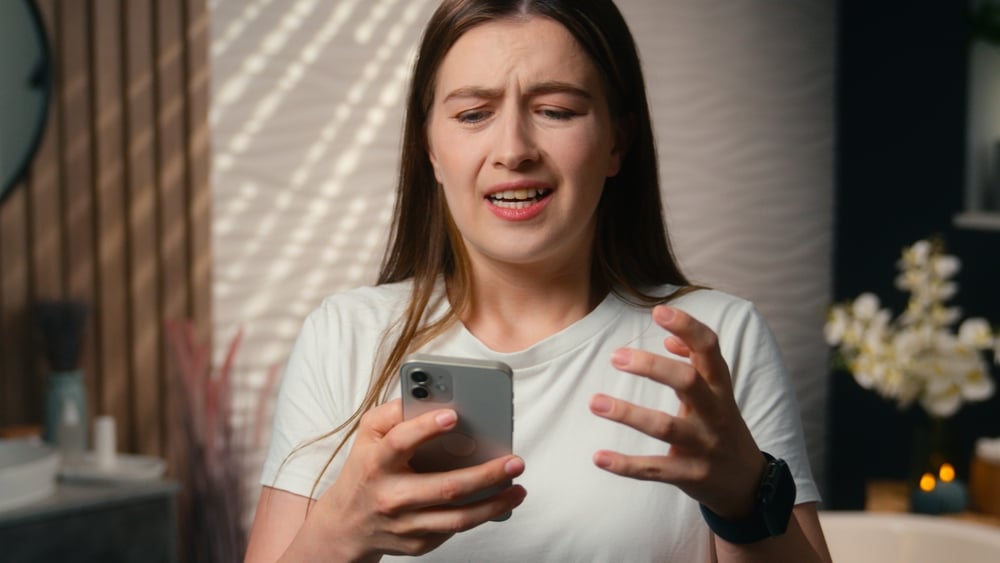
Image Credit: MAYA LAB/Shutterstock
How to Spot Gambling Addiction in a Loved One
Someone concerned with the prospect of a loved one having a gambling problem may want to ask a few questions:
- Is this person exhibiting secret behavior?
- Does the person show signs of financial strain?
- Why is my friend or family member missing work or other important obligations?
- Does the person show signs of irritability when gambling?
- Is this preoccupation with gambling normal?
The answer to these questions can offer some insight on whether a friend or family members might be showing signs of gambling addiction. If a loved one is showing some negative signs to many of these questions, some help might be needed.
Having your loved one contact a counselor or state or national problem gambling awareness for some help might be the next step. It’s important to be understanding and supportive to those who suffer, but it’s also critical to encourage those showing gambling addiction symptoms to seek help.
When Does a Gambling Habit Become a Disorder?
While some gamblers may be concerned about overdoing it a bit and can make adjustments, others can’t make these types of changes. It’s as if gambling has completely taken over their lives, no matter the results. Gambling addicts are following a similar path as those who may have drug issues.
“In our brain, the centers involved with gambling addiction are the same centers involved with substance addiction. The warning signs can be the same as any addiction,” says Dr. Asim Shah, professor and Executive Vice Chair in the Menninger Department of Psychiatry and Behavioral Sciences at Baylor College of Medicine.
According to the Baylor College of Medicine, gamblers are generally classified into three categories:
- Professional gambler – Skilled gamblers, such as poker players and professional sports bettors. These professionals may practice self-control and have a more measured approach to gaming, but could still be at risk of addiction.
- Social gambler – These people may spend some of their time and money in casinos on occasion. However, these people can keep that in check and don’t let their gambling habits overtake their lives and don’t wager money they can;t afford to lose. Watching for signs of problem gambling, however, is still advised.
- Problem gambler – These are compulsive gamblers who have let their habit take over much of their lives. They may have major financial losses and have let betting greatly affect their lives in a negative way.
What to Do if You Think Gambling Is Becoming a Problem
Those who believe they have a real gambling addiction should definitely seek out help. There are many agencies and programs that can help treat problem gambling.
Most state gaming commissions offer self-exclusion programs for live casinos and online gaming platforms. Here are a few other groups and programs to seek help:
- National Council on Problem Gambling (US) – 1-800-GAMBLER
- Gamblers Anonymous
- American Gaming Association Responsible Play Program (US)
- National Gambling Helpline (UK) – 0808-8020-133
- GamCare (UK)
- NHS National Gambling Clinic (UK)
- GambleAware (UK)
- Gam-Anon (for families in the UK)
FAQ
A person begins to chase losses and can’t stop thinking about gambling. The person feels or exhibits signs that he or she has lost control of their gambling behaviors.
Some gambling disorder warning signs include: major financial strain as a result of gambling; seeing relationships with friends and family; using gambling, casinos, and sports betting as a means to escape daily life; and needing to keep betting to feel a buzz.
Yes. Gamblers must remain aware of their own gambling habits. Those who routinely go over their budget or wager funds that could be used for more important daily needs may have a problem. The National Council on Problem Gambling offers an online self-check system to see if you might have issues with gambling.
Look for signs of missing money. Those with compulsive gambling signs may also lie about their finances or whereabouts. They may also act defensively when questioned about their spending or finances.
Seek out help from a quality program or professional such as the National Council on Problem Gambling, Gamblers Anonymous, and National Gambling Helpline. Many gaming commissions offer free services for those who feel their gambling has gotten out of control.
Self-exclusion is also a great option to ban yourself from gambling in casinos or online. Many state gaming commissions offer these options.
Title Image Credit: Dani D.G/Shutterstock