 Main menu

Research
Abilify and Problem Gambling: Doctors, Patients ‘Unaware of Danger’
Posted on: March 28, 2023, 05:46h.
Last updated on: March 28, 2023, 01:09h.


The UK’s National Problem Gambling Clinic (NPGC) says there needs to be stronger messaging around the antipsychotic drug aripiprazole and the risks of users developing a gambling addiction.
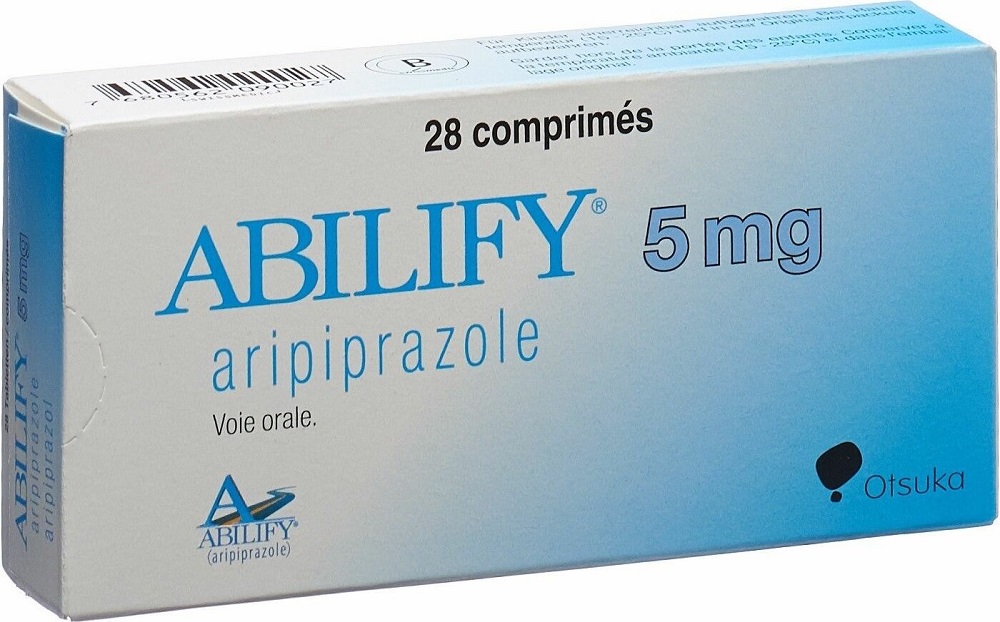
Better known by its brand name, Abilify, the drug is used to treat schizophrenia, psychosis, deep depression, and bipolar disorder. It works by helping to restore natural chemicals to the brain, such as dopamine.
Published case studies have indicated the drug is also a possible cause of impulse control disorders. In addition to problem gambling, these could include binge eating, sexual urges, and compulsive shopping.
No Monitoring
Professor Henrietta Bowden-Jones, a psychiatrist who runs the NPGC, told The Guardian this week that around 9% of the clinic’s patients were taking aripiprazole and were typically unaware of these potential side effects.
She says GPs prescribing the drug aren’t doing enough to flag the potential dangers, adding that problem gambling isn’t on the radar of mental health teams in the psychiatric units that monitor patients.
This is not just any side effect – it can come with a risk of losing your own home. What we constantly see is that not enough people know about this. I gave a recent lecture to all the psychiatrists in my trust, and a very large proportion had never heard about it,” Bowden-Jones said.
“We constantly hear about mental health teams not being aware. More needs to be done to prevent people from being put on aripiprazole without being warned and monitored,” she added.
Bowden-Jones wants doctors to be aware that patients don’t always report problem gambling symptoms because of stigma. Instead, they should look out for other, more obvious compulsive behaviors.
Lawsuits Pile Up
In the US, Aripiprazole was approved by the Food and Drug Administration (FDA) in 2002. In 2020, 8 million Americans were prescribed the drug. In 2016, the FDA warned that problem gambling and other compulsive behaviors were associated with Aripiprazole.
As of March 2019, there were a total of 2,430 pending lawsuits in the US related to Aripiprazole, according to Consumer Safety. Many mentioned compulsive gambling and named Japanese manufacturer Otsuka Pharmaceutical Co. and the drug’s American distributor, Bristol-Myers Squibb Co.
In 2016, Bristol-Myers Squibb agreed to pay $19.5 million to settle claims it marketed the drug for off-label uses, including promoting its use for children and elderly patients with dementia.
The company agreed not to obscure information about possible side effects, including weight gain and compulsiveness, as part of that settlement.

 Most Read

Another Shooting Near Las Vegas Strip Casino Injures Man
 972,667 views

Vintners Oppose Napa Valley Casino
556,272 views


Conversation (0)
Be the first to comment on this article.