The National Indian Gaming Commission (NIGC): How the IGRA Transformed Tribal Casinos and Native American Economies

Summarize this post
The National Indian Gaming Commission: What You’ll Learn
- The National Indian Gaming Commission (NIGC) enforces integrity and ensures profits benefit Native communities.
- The Indian Gaming Regulatory Act (IGRA) of 1988 legalized and standardized tribal gaming.
- Tribal casinos now operate in 29 states, generating over $43 billion annually and employing 700,000 people.
- Gaming revenues fund housing, education, infrastructure, and self-sufficiency programs across Indian Country.
- The success of the NIGC is a rare case of effective U.S. policy that empowered, not undermined, Native sovereignty.
A Modern Success in Indian Country
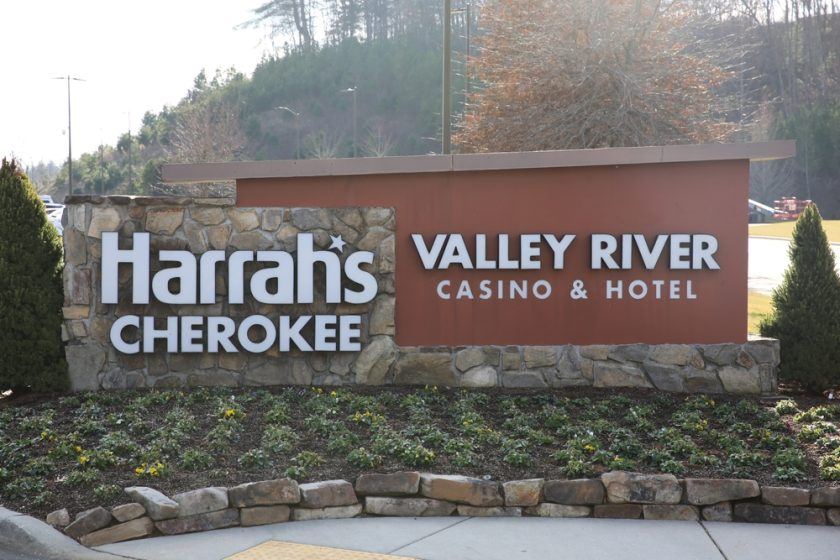
Walk into any major U.S. casino, and chances are good you’re standing on tribal land. From the towering Mohegan Sun in Connecticut to resort properties in Arizona and Oklahoma, Native American casinos have become fixtures of the American gaming landscape.
Yet this wasn’t always the case. Only a few decades ago, most Native communities struggled with chronic poverty, limited autonomy, and little access to economic opportunity. The turning point came in 1988, when Congress passed the Indian Gaming Regulatory Act (IGRA), creating the National Indian Gaming Commission (NIGC) to oversee this new and growing industry.
Together, the IGRA and NIGC transformed tribal gaming into one of the most remarkable economic success stories in modern U.S. history.
A Complicated Past: From Displacement to Determination
The story begins long before gaming tables and slot machines. For much of U.S. history, Native Americans lived under restrictive policies that stripped away land, culture, and opportunity.
In 1887, Congress passed the Dawes Act, aiming to dissolve tribal structures and convert Native Americans into independent farmers. Instead, it led to massive land losses and deeper poverty. By the 1930s, the federal government tried to reverse course with the Indian Reorganization Act (IRA), which restored some lands and allowed tribes to form self-governing councils.
Even with these changes, most reservations remained economically isolated. Federal aid programs came and went, often with little measurable impact.
By the 1970s, tribes began seeking self-determined ways to generate revenue, leading some to experiment with bingo halls, card rooms, and early gaming operations. What started as local enterprises soon sparked national legal debates over tribal sovereignty.
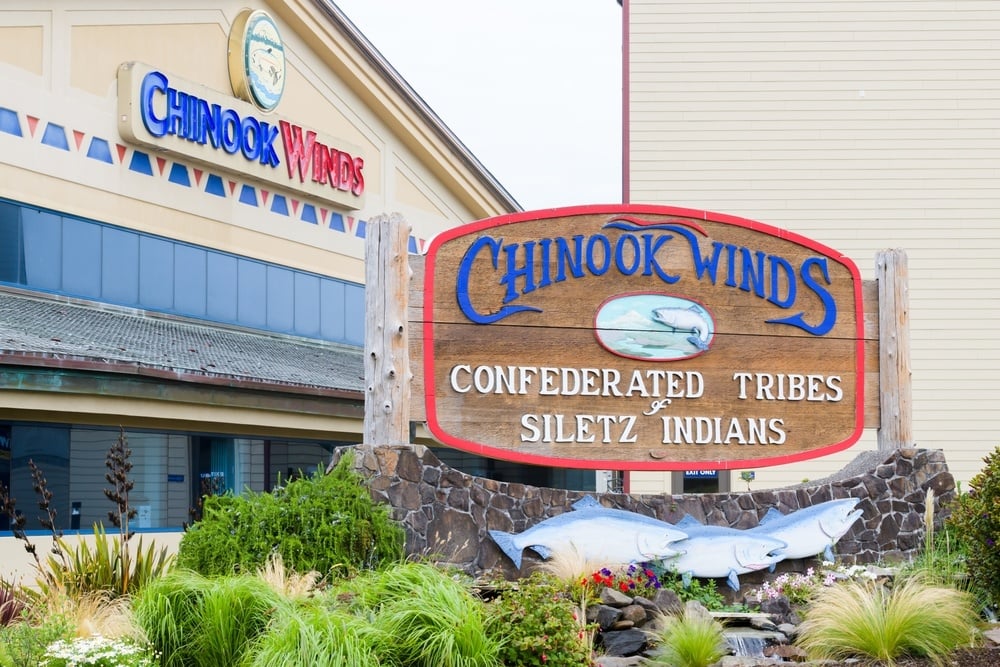
Image Credit: randy andy/Shutterstock
The Legal Breakthrough: The 1987 Cabazon Decision
In 1987, a pivotal Supreme Court case, California v. Cabazon Band of Mission Indians, changed everything.
California tried to stop the Cabazon tribe from operating bingo and poker games on its reservation. The Supreme Court sided with the tribe, ruling that because California regulated gambling rather than prohibited it, the state had no authority to interfere.
This decision cemented the idea that tribes are sovereign nations with the right to regulate business, including gaming, on their own lands. But it also opened the door to chaos. Dozens of tribes wanted to open casinos, and states demanded oversight. Congress stepped in with a compromise: the Indian Gaming Regulatory Act (IGRA) of 1988.
The Indian Gaming Regulatory Act (IGRA): Establishing Fair Play
The IGRA wasn’t just about legalizing gambling, it was about creating a framework for tribal self-sufficiency.
The law defined three classes of gaming:
- Class I: Traditional and social games with minimal prizes.
- Class II: Bingo, pull-tabs, and non-banked card games like poker.
- Class III: Full casino gaming, including slot machines and house-banked games.
Tribes could operate Class I and II games freely, but Class III gaming required a state-tribal compact, a formal agreement outlining terms for casino operation.
Most importantly, profits had to stay within the tribe, supporting government operations, social programs, or direct distributions to members. States could only share in revenues if they provided measurable benefits, such as granting gaming exclusivity.
This balance of power, honoring sovereignty while ensuring fairness, is what made the IGRA so durable.
The National Indian Gaming Commission (NIGC): Oversight and Integrity
To make the IGRA work, Congress created the National Indian Gaming Commission (NIGC) the watchdog and regulator for tribal gaming nationwide.
The NIGC’s mission is simple but powerful:
- Promote tribal economic development and self-sufficiency
- Maintain integrity and fairness in all Indian gaming operations
- Ensure that tribes are the primary beneficiaries of gaming profits
The commission consists of three members: one chair appointed by the President and confirmed by the Senate, and two associate commissioners named by the Secretary of the Interior. At least two must be members of federally recognized tribes, ensuring representation at the highest level.
The NIGC conducts audits, inspections, and investigations, issues fines, and works closely with tribal regulators to ensure compliance. While the agency doesn’t promote gaming itself, it provides the stability and confidence investors need to fund tribal enterprises, effectively turning sovereignty into sustainable success.
The Economic Impact: Jobs, Income, and Opportunity
When the first compact was signed in 1990 between the Fond du Lac Band of Chippewa Indians and the State of Minnesota, few could have predicted how quickly tribal gaming would grow.
Today, there are over 500 tribal gaming operations in 29 states, generating more than $43 billion annually, nearly half of all U.S. gaming revenue.
Employment Growth
Tribal casinos directly employ around 300,000 people, with another 400,000 jobs supported in construction, finance, legal, and tourism industries.
The Harvard Project on American Indian Economic Development found that tribes with casinos saw unemployment drop by an average of 20%. For instance, the Oneida Tribe of Wisconsin reduced unemployment among members from 70% to under 5% after opening their casino.
Image Credit: randy andy/Shutterstock
Rising Income and Community Benefits
Household incomes in gaming tribes rose significantly during the 1990s and 2000s, particularly for tribes operating full Class III casinos.
Revenues fund schools, hospitals, housing, and infrastructure, services that tribes once relied on federal dollars to provide. In effect, gaming revenues have become a form of sovereign taxation, allowing tribal governments to fund their own futures.
Beyond the Bottom Line: Strengthening Sovereignty and Identity
Perhaps the most profound outcome of the NIGC’s work isn’t economic, it’s psychological and political.
For generations, Native Americans depended on federal aid. Now, many tribes fund their own governments, public safety departments, and educational systems.
Gaming has become a symbol of self-determination, proof that Native communities can manage complex businesses, enforce their own laws, and thrive independently.
Even tribes once stripped of federal recognition, like the Grand Ronde of Oregon, have rebuilt legitimacy through successful casino enterprises. The NIGC’s clear regulatory structure has also united tribes across regions, allowing them to advocate collectively for fair treatment and policy respect.
Challenges and Growing Pains
Of course, not every tribe’s experience has been a jackpot. Geography matters, casinos near large cities thrive, while those in remote areas often struggle.
Some tribes, like the Mechoopda Tribe in California and the Little River Band in Michigan, faced closures or stalled projects due to location, financing, or state disputes.
In 1996, the Supreme Court’s decision in Seminole Tribe v. Florida weakened tribal leverage by ruling that states could not be sued for refusing to negotiate gaming compacts in “good faith.” This remains a sticking point in some regions.
Still, most tribes view the IGRA and NIGC as net positives. They have created a legal foundation that protects tribal sovereignty, fosters trust with outside partners, and keeps the focus on long-term community development.
Image Credit: randy andy/Shutterstock
The NIGC Today: Cybersecurity, Sports Betting, and the Future
As the gaming world goes digital, the NIGC’s challenges have evolved. Today, the commission is focused on cybersecurity, data protection, and the rise of online and sports betting.
Modern tribal casinos operate with complex digital networks, from player tracking systems to online gaming portals, making them potential targets for cyberattacks. The NIGC now provides training and technical guidance to help tribes safeguard their operations.
It’s also navigating how to adapt the IGRA framework to new forms of gambling, including online betting and mobile gaming, while preserving the principles of tribal sovereignty.
Despite these challenges, the NIGC remains one of the most effective examples of bipartisan, well-designed policy in U.S. history, a partnership that empowers Native communities rather than limits them.
An American Policy Success
The story of the National Indian Gaming Commission is more than a history of casinos, it’s a testament to the power of self-governance.
In just a few decades, tribal gaming has lifted communities out of poverty, restored confidence in tribal governments, and shown that thoughtful regulation can work in harmony with sovereignty.
The NIGC’s success proves that when the U.S. government creates the right framework, one that empowers rather than controls, everyone wins.
What’s your experience with tribal casinos?
Have you visited one, or seen how they impact local communities?
Share your thoughts below. Casino.org would love to hear from you.
Frequently Asked Questions
Q: What is the purpose of the NIGC?
A: The National Indian Gaming Commission regulates and monitors tribal gaming to ensure integrity, fairness, and that profits directly benefit Native communities.
Q: What did the Indian Gaming Regulatory Act (IGRA) accomplish?
A: The IGRA established a legal framework for tribal gaming, affirming tribal sovereignty while requiring oversight and cooperation with states.
Q: How many tribal casinos are there in the U.S.?
A: As of today, there are over 500 tribal gaming operations across 29 states, generating more than $43 billion in annual revenue.
Q: How do tribal casinos benefit local communities?
A: Revenues fund education, healthcare, housing, and infrastructure, while also creating jobs and reducing unemployment on reservations.
Title Image Credit: randy andy/Shutterstock