 Main menu

Tribal Gaming
Odawa Tribal Operator Loses Federal Case That Would Have Dramatically Expanded Reservation in Northern Michigan
Posted on: August 26, 2019, 03:39h.
Last updated on: August 26, 2019, 04:14h.


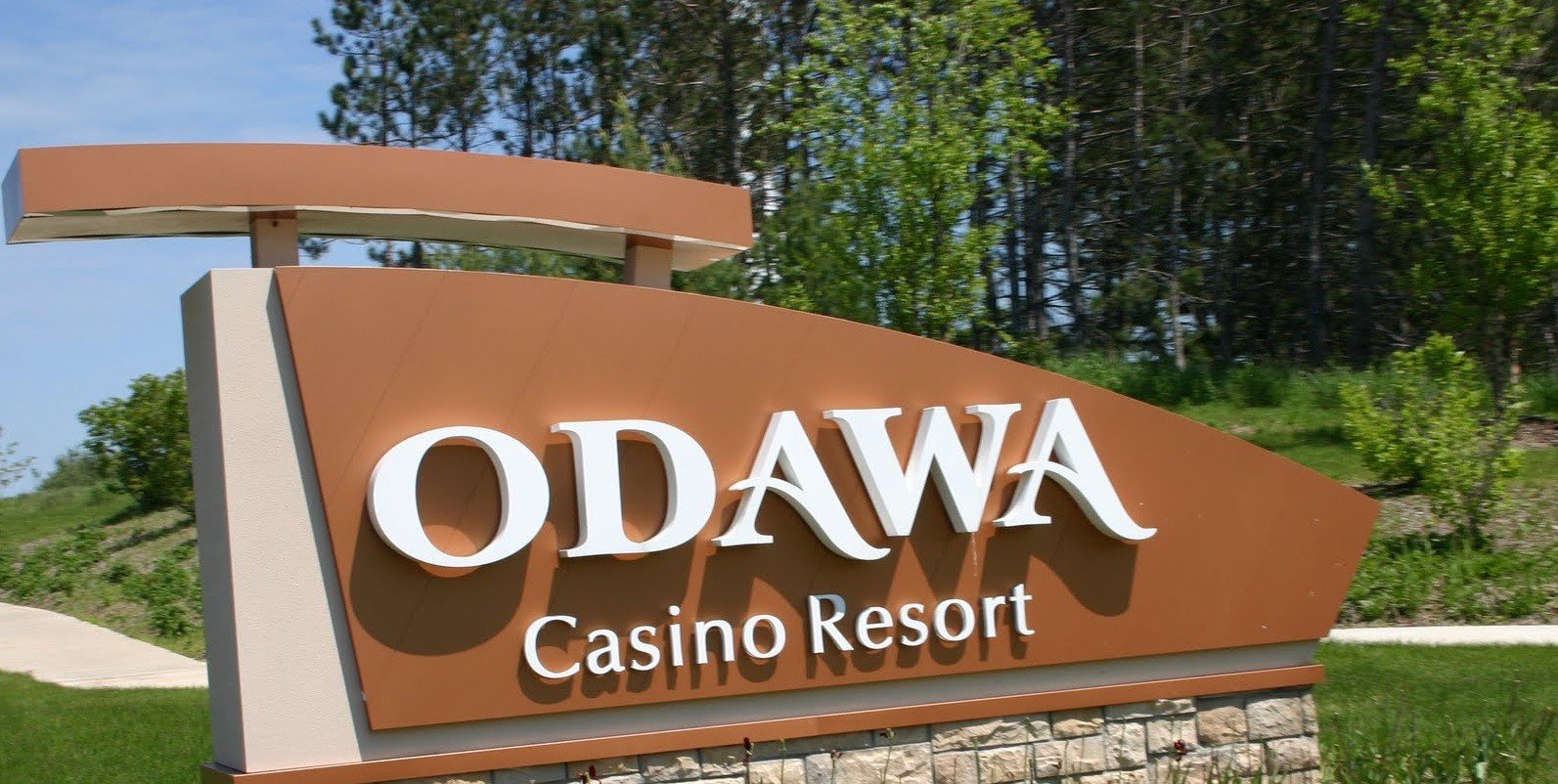
The Little Traverse Bay Bands of Odawa Indians (LTBBOI), which operates the Odawa Casino Resort in Petoskey, Michigan, has failed in its legal bid to have a vast area of land declared its sovereign territory.
In the 2016 lawsuit filed against then-Michigan governor Rick Snyder, the Odawa argued that a 337-square mile tract encompassing Emmet and Charlevoix counties in the north of the Wolverine State was, in fact, already its legal reservation. That declaration was made citing the terms of an 1855 treaty with the US government.
Several counties and local residents groups joined the case as intervener-defendants, citing concerns about how the suit might negatively impact those living within the disputed land who were not part of the tribe. Their concerns embraced local zoning regulation, law enforcement, and taxation.
Residents were also concerned that a significantly enlarged reservation could pave the way for more Class II gaming parlors in the region, citing comparable instances in other states.
Five Tribes Signed Treaty
In 2016, the tribe opened a modest Class II bingo parlor in Mackinaw City, having unsuccessfully petitioned city officials for a full-blown, Class III casino.
Generally speaking, federally recognized tribes are permitted to offer Class II gaming, which includes slots-like electronic bingo machines, on their sovereign lands without the agreement of the state.
What we’ve seen in other states, where tribes have sort of that large geography that’s open in that fashion, is we’ve seen the tribes start to place slot machines and electronic games of chance … in convenience stores, in gas stations, etc. that may not even be tribally owned,” Lance Boldrey, a lawyer representing residents, told the Detroit Free Press last year.
But the case had even wider implications, because four other federally recognized Michigan tribes also signed the treaty of 1855. Thus, the LTBBOI lawsuit could have set a precedent that had the potential to dramatically alter the tribal gaming landscape in Michigan.
Lacks Plausibility
But a summary judgment issued by Judge Paul L. Maloney disagreed with the tribe’s interpretation of the treaty. He wrote, “It cannot plausibly be read to create an Indian reservation, even when giving effect to the terms as the Indian signatories would have understood them and even when resolving any ambiguities in the Treaty text in favor of the Indians.”
“The Tribe asserts that their predecessors understood that a treaty requiring the United States to withdraw land from sale for their benefit created an Indian reservation,” he added. “But when the Treaty is placed in the relevant historical context, it cannot plausibly be read to have created an Indian reservation, and the Tribe’s predecessors did not believe that it did so.”
Tribal chairwoman Regina Gasco-Bentley told Michigan Radio the tribe is currently considering whether to appeal and had no further comment.

 Most Read
Another Shooting Near Las Vegas Strip Casino Injures Man
 972,746 views
Vintners Oppose Napa Valley Casino
556,350 views


Conversation (0)
Be the first to comment on this article.