 Main menu

Financial
Kalshi Restricts Ag Commodities Trading Hours Amid Industry Backlash
Posted on: May 1, 2026, 01:22h.
Last updated on: May 5, 2026, 08:39h.


- Event contracts on the platform typically trade 24/7
- Kalshi agreed to move its agriculture commodities trading hours to match those of traditional exchanges
- The prediction market operator unveiled a dedicated commodities hub last month
Kalshi, the largest US prediction market operator, agreed to alter the trading hours of agriculture commodities event contracts amid resistance to 24/7 trading of those derivatives by the industry and traditional exchanges.
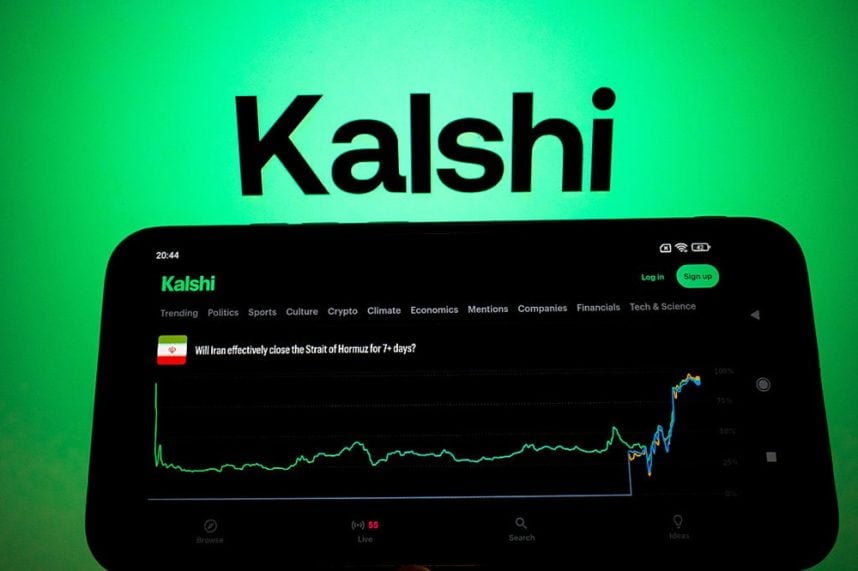
Last month the prediction market giant rolled out an expanded commodities hub featuring an array of agriculture, energy and soft commodities in a bid to garner more business from hedge funds and other institutional traders. Derivatives listed on Kalshi typically trade all day, every day, but that doesn’t jibe with standard commodities trading in the US.
The Commodity Markets Council (CMC), a trade group representing the old guard exchanges on which commodities such as corn, soybeans and wheat typically trade, as well as farmers reportedly held at least two calls with Kalshi on the issue of trading hours.
[The] CMC advocates an open, competitive marketplace by combining the expertise, knowledge, and resources of our members to develop and support market-based policy,” according to the group’s mission statement. “CMC addresses industry issues focusing on agriculture, energy, finance, infrastructure, and transportation.”
The typical trading hours for the most heavily traded agriculture commodities on CME Group’s Chicago Board of Trade (CBOT) are Sunday to Friday, 7:00 p.m. to 7:45 a.m. central time and 8:30 a.m. to 1:20 p.m. central.
Smart Move by Kalshi to Adjust Ag Commodities Trading Hours
At a time when it’s facing a slew of legal challenges stemming from its sizable footprint in the world of sports derivatives, it was likely a smart move by Kalshi to work with the CMC and other stakeholders to adjust the hours in which agriculture commodities change hands on the platform.
Another reason that’s the case is regulatory in nature. The Commodities Futures Trading Commission (CFTC), the federal regulator responsible for overseeing prediction markets, also has oversight of domestic commodities markets.
Last year, then acting CFTC Chairman Caroline Pham expressed support for expanding commodities trading hours to 24/7, 24/6 or 24/5 models, but that pitch was met with resistance by the industry.
As one example, the National Grain and Feed Association (NGFA) balked at expanded commodities trading hours, noting it would lead to higher costs while potentially boosting volatility.
There may be something to that assertion because cash markets aren’t open 24/7 and if futures markets were, agriculture commodities producers could incur more risk.
Interesting Intersections
The debate over commodities trading hours and Kalshi playing ball with the industry and producers is interesting because there are significant prediction market intersections.
CME and Intercontinental Exchange (ICE) are the two primary exchanges on which agriculture commodities change hands in the US, and both are players in the prediction markets space. CME has a partnership with FanDuel pertaining to non-sports yes/no contracts while ICE has invested $2.6 billion in Polymarket.

 Most Read

Another Shooting Near Las Vegas Strip Casino Injures Man
 972,597 views
Vintners Oppose Napa Valley Casino
556,215 views


Conversation (0)
Be the first to comment on this article.