
Vegas Gaming Surges Again as Tourism Slump Deepens With No End in Sight
Posted on: January 1, 2026, 10:58h.
Last updated on: January 9, 2026, 04:59h.

Las Vegas’ casino gaming ended 2025 on the kind of high note that once would have signaled a booming economy, but visitor numbers told a starkly different story.
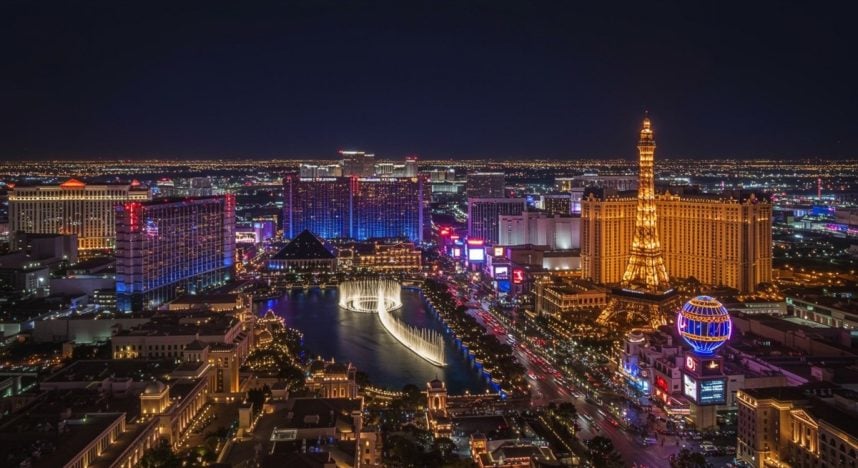
The Nevada Gaming Control Board broke the good gaming news on Wednesday, reporting that the state’s 441 licensed casinos won $1.34 billion from gamblers, a 2.4% increase over 2024. This second straight monthly percentage increase represented the fourth-best month this year and the second-best November ever recorded.
At the same time, however, nearly every other tourism metric fell. According to the latest report from Las Vegas Convention and Visitors Authority (LVCVA), which also dropped Wednesday, November 2025 visitation fell 5.2% compared with the same month in 2024 — a decline of roughly 170,000 to 172,000 people
This marked the tenth consecutive month of year‑over‑year losses, pushing total visitation for the year to a 7.2% deficit through November.
The slump persisted despite a November jam-packed with high-profile events including the third annual F1 Las Vegas Grand Prix, the Specialty Equipment Market Association (SEMA) automotive trade show, and three Raiders home games.
November’s decline didn’t come as a surprise, though. As we reported last week, air travel took a particularly sharp hit that month, as Harry Reid International Airport recorded a 9.6% passenger decline — the steepest monthly drop of the year – continuing a year-long slide in passenger traffic.
Playground for the Rich
The divergence between gaming win and tourism numbers has become the defining story of Las Vegas’ new economy. Casinos continue to thrive on higher‑spending visitors, while the region absorbs a sustained decline in middle‑ and working‑class tourism — a downturn that analysts no longer view as temporary but as a real trend with lasting economic consequences.
The implications of the ongoing Vegas tourism downturn reach into hotel revenues, public funding, and the broader stability of a city built on visitor volume.
Hotel performance shows the strain most clearly. Strip occupancy fell to 82.0% in November 2025, down 2.3 percentage points from a year earlier. Strip ADR (average daily rate) slipped to $205.57, a 2.4% decline, and Strip RevPAR (revenue per available room) dropped to $168.55, down 4.6% year over year — all clear evidence that operators are cutting rates to keep rooms filled.
Downtown’s numbers were far worse, with occupancy collapsing to 66.4% and RevPAR plunging 14.8%, more than triple the Strip’s decline and the steepest drop of any major sub-market in the region.
Looking ahead, UNLV’s Center for Business and Economic Research projects a rebound to around 40.1 million visitors in 2026, an increase of about 2.4%, assuming economic conditions stabilize. But if those projections miss, Las Vegas could face deeper consequences, including continued layoffs and reduced hours across the hospitality sector.
Last Comments ( 5 )
Profits are up for the corporations so that is good news for them. There is a lot of room for expanding profits though. With all the empty rooms, they likely could make more profits if they went back to appealing to the middle class by having targeted promotions. With all the hotels, they could brand different hotels and cater to middle class tourists.
Online gambling and sports books making up the difference
Sadly the Casino Operators/Wall Street could care less about locals or even some of their loyal visitors. Bottom line is bottom dollar. They don't even compete against each other because they are one. See Caesars and MGM. They will shrug off these numbers and make it up elsewhere. It is pathetic. I have not and will not set foot in the following. Encore, Resort World, Cosmopolitan, and Circa. All built since I walked away from them. Goodbye good riddance. They will never listen.
Let the Strip suffer…. They disenfranchised the Locals with excessive parking fees and no incentives to visit the area…. Maybe they might reconsider but then again pigs may fly
Higher intake and lower pay outs Buyer beware!